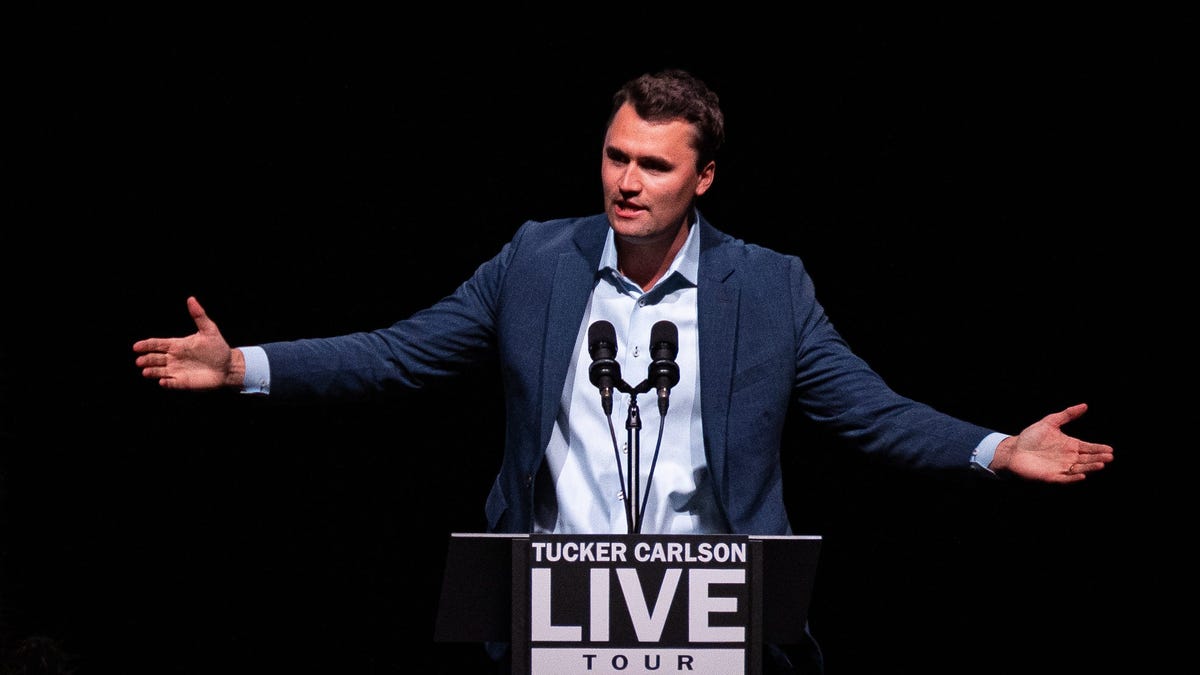
Once you see the videos, you can't unsee them.
Conservative political speaker Charlie Kirk was shot dead on a college campus Wednesday, Sept. 10. Late last month, Ukrainian refugee Iryna Zarutska was fatally stabbed on a train in North Carolina. Graphic videos of both atrocities spread quickly and widely online this week, appearing in people's social media feeds, often with little-to-no warning.
Getting confronted with gruesome, horrific imagery has, unfortunately, become an assumed risk when logging onto social media. Mental health and media experts, however, say the proliferation of violent videos online can have a deeply negative impact on our psyches − and that you don't have to view material like this in order to stay informed or have empathy for the victims.
"I don't think we have a responsibility to witness every instance of violence that happens," therapist Erik Anderson previously told USA TODAY. "People kind of need to be responsible for understanding what's going to trigger them and what they're able to tolerate."
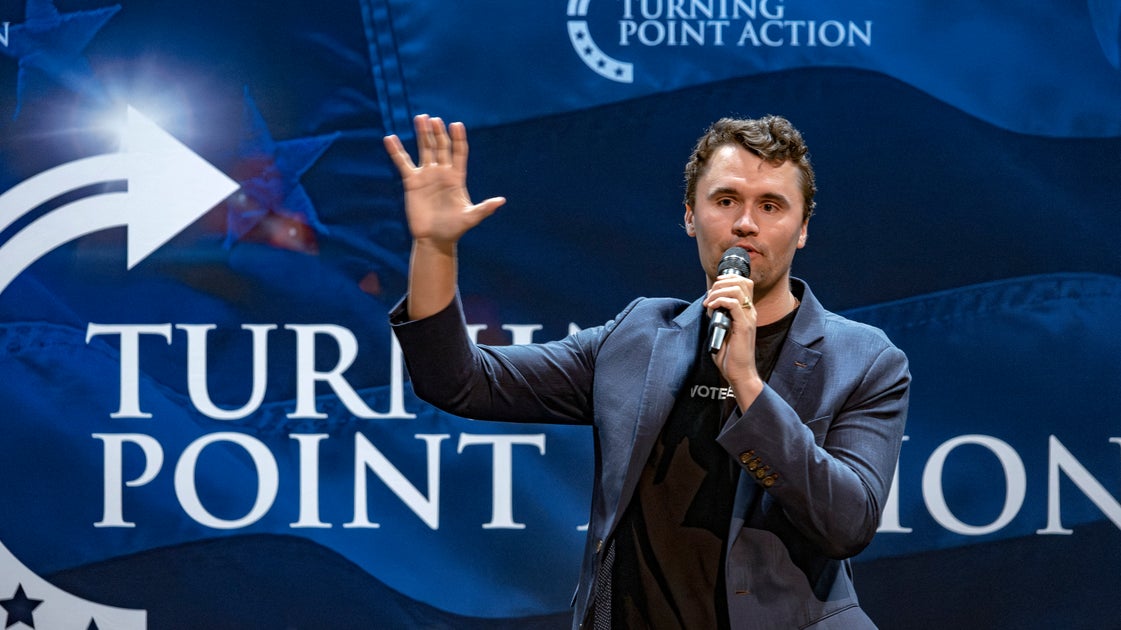
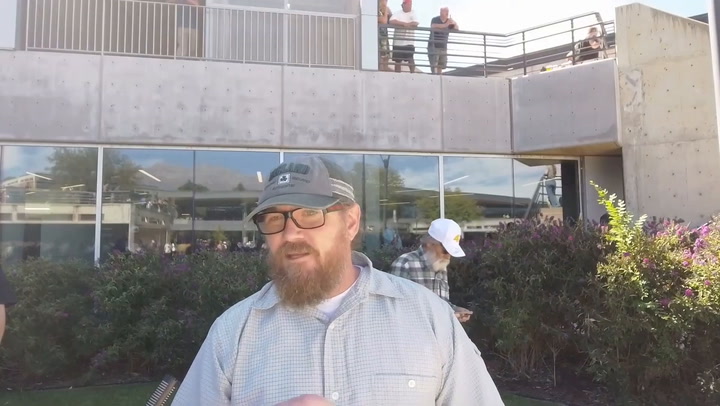
Kirk, the co-founder of Turning Point USA, was fatally shot during an event at Utah Valley University in what the governor described as a "political assassination." Livestream video of the event showed crowds of people running from the university's courtyard where the 31-year-old was speaking when the shooting occurred. Earlier this week, transit officials in North Carolina released a graphic video showing the fatal stabbing of 23-year-old Zarutska on a light rail train.