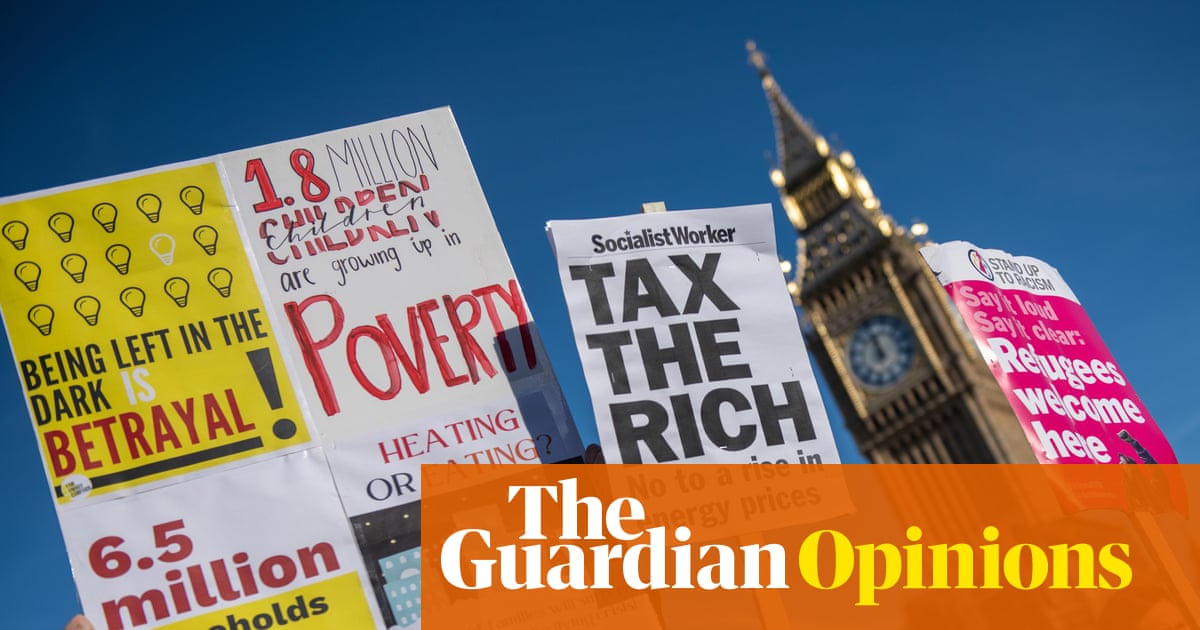
To focus on individuals is misguided: the problem is a tax system hugely skewed in favour of the ultra-wealthy
I
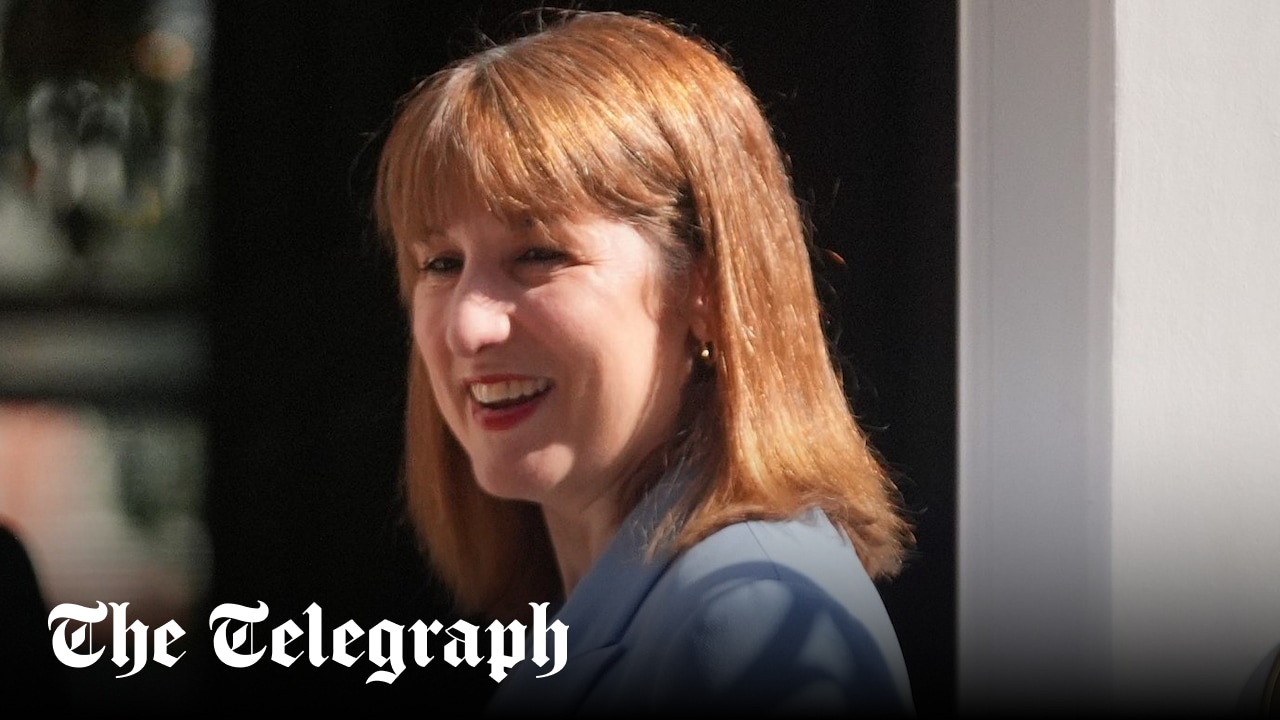
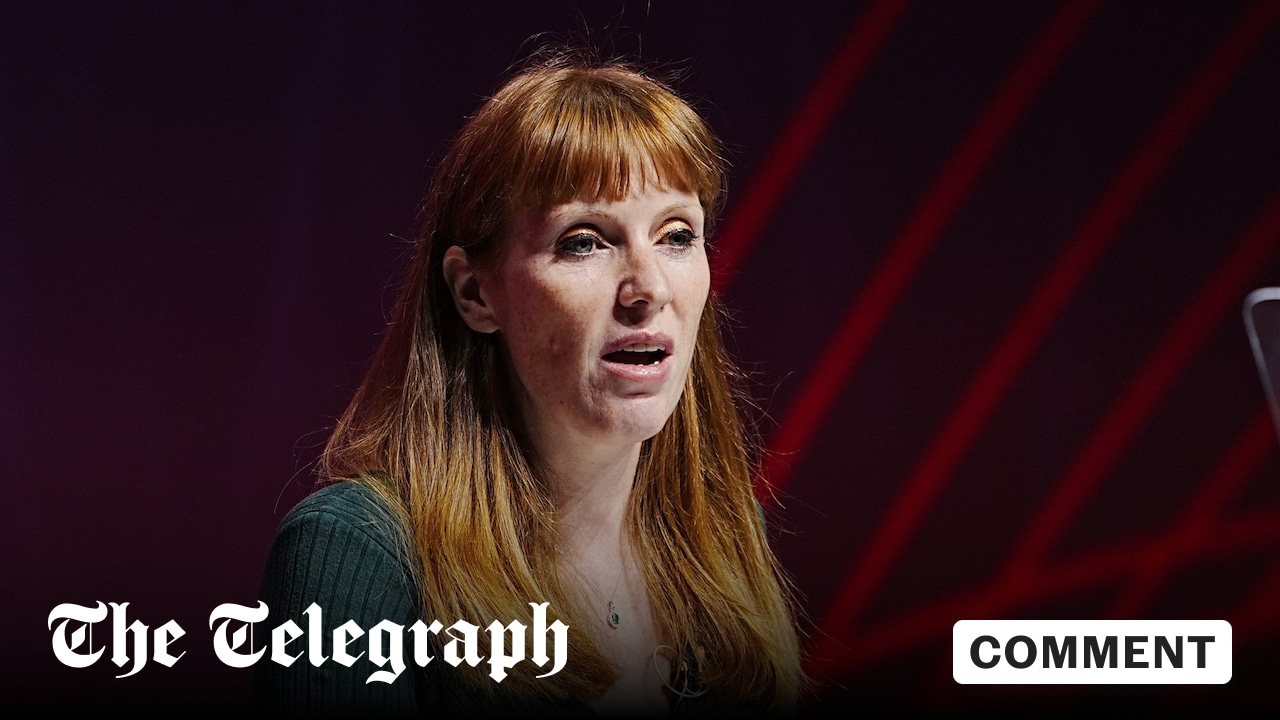
t’s been tiresome to see the glee with which Angela Rayner’s been accused of hypocrisy this week, but then anyone who sticks their neck out to call for an end to this engine of wealth inequality gets the same battering. Millionaires who’ve seen first-hand just how completely the system is rigged in their favour, who know how wrong it is and want to change it, get a similar verbal beating on social media and in certain sections of the press. It’s almost as if they protest too much?
Take this week’s political tax stories, one big and one largely ignored. Rayner’s tax behaviour, through lack of proper advice and planning, has created a political nightmare for the government. How could someone on the frontbench of the Labour government have to resign because they didn’t pay enough tax? Also scrutinised, if far less widely reported, have been the tax practices of the leader of Reform UK, who is reported to have channelled some of his earnings into a company to reduce the tax he has to pay on them, having previously criticised people who try to avoid tax as the “common enemy”.
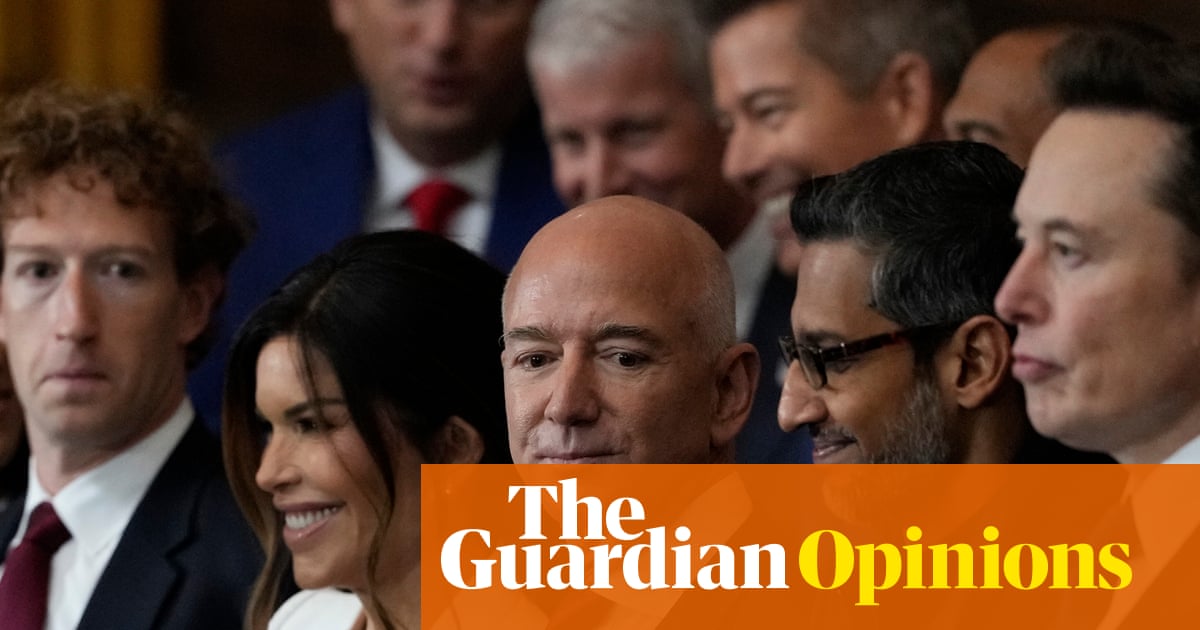
Both politicians have used or tried to use the tools available to those who are relatively wealthy. But there is an even bigger problem. Once you get to be rich or super-rich, there are more and more channels by which advisers might try to shrink your tax bill.