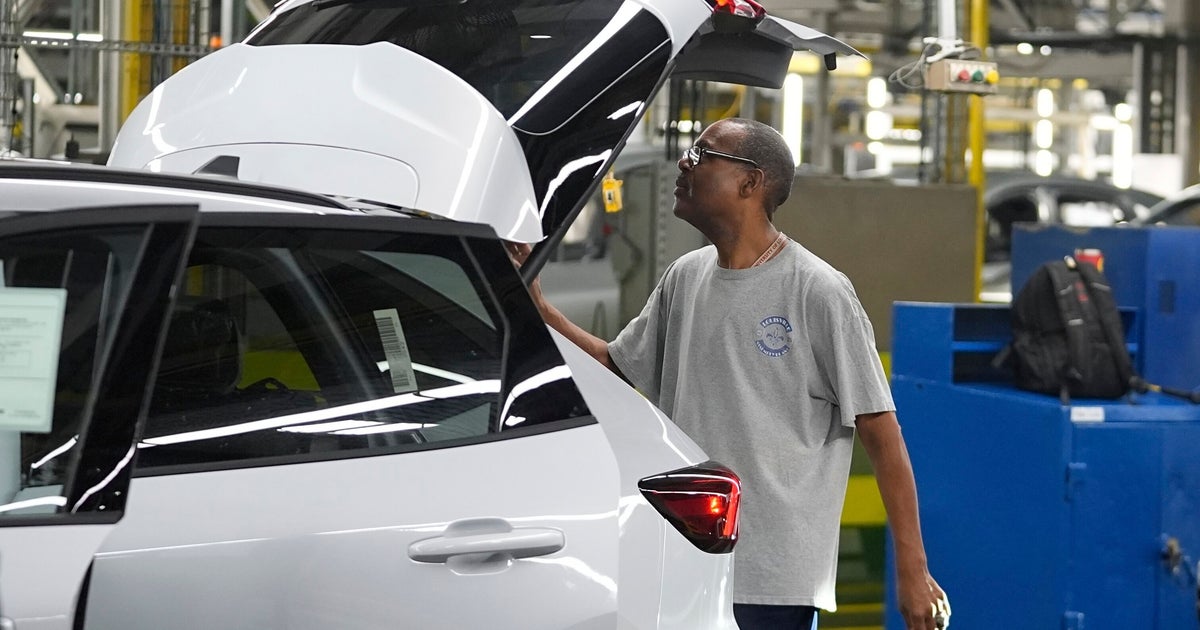
WASHINGTON (AP) — U.S. inflation likely ticked higher last month as the Trump administration’s import taxes have lifted the price of goods, potentially putting the Federal Reserve in a tough spot when it meets next week.
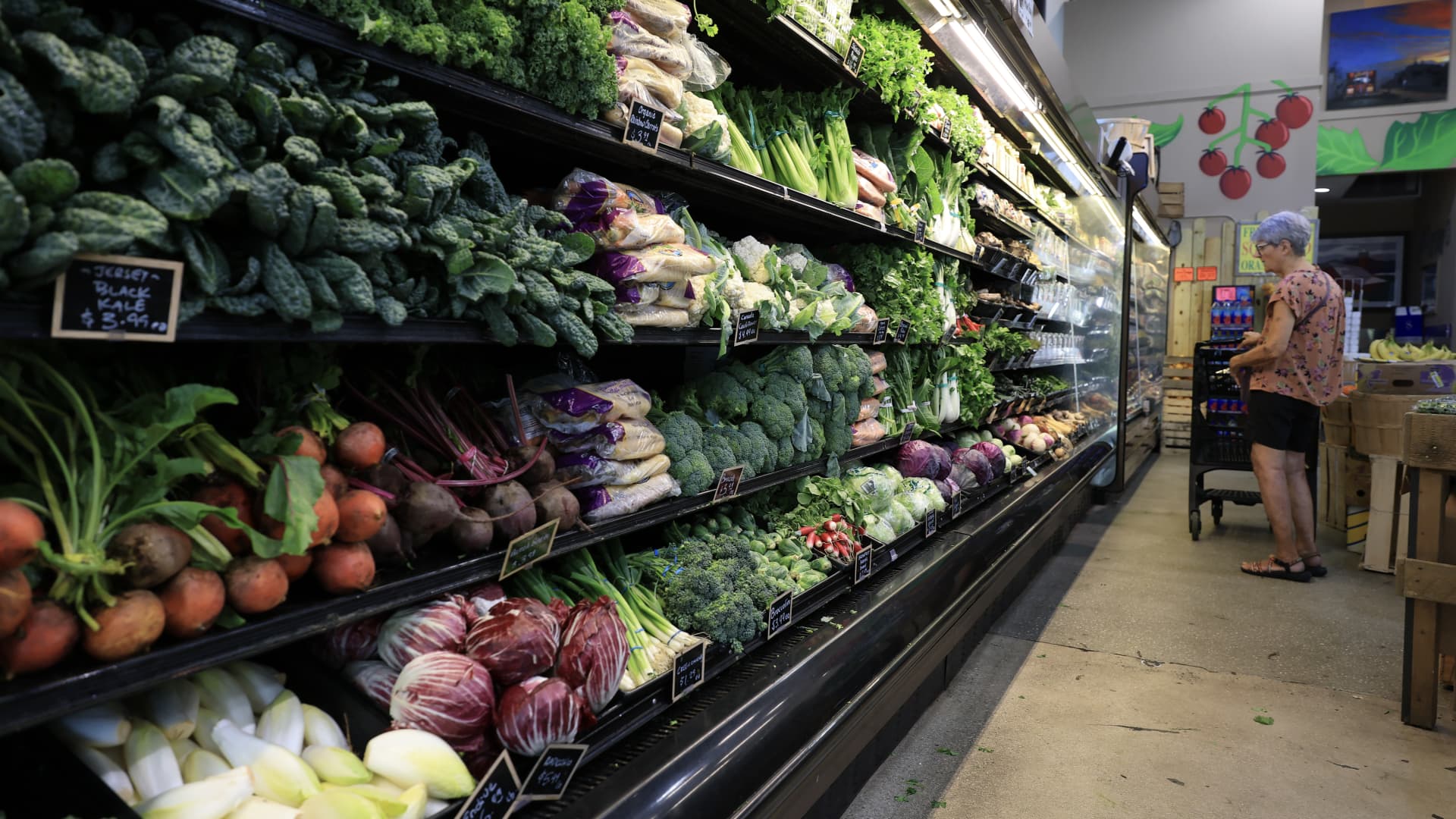
Economists forecast that consumer prices rose 2.9% in August from a year earlier, according to a survey of economists by data provider FactSet. That would be an increase from an annual pace of 2.7% in July. Excluding volatile food and energy costs, core inflation is expected to have increased 3.1%, the same as in July. Both figures are above the Fed’s 2% inflation target.
The potential increases, while modest, would underscore the challenges the Fed is facing as it experiences relentless pressure from President Donald Trump to reduce its short-term interest rate. Trump hopes that rate cuts will spur more borrowing and spending and boost the economy.
Recent government reports have also shown that hiring has slowed sharply in recent months and was lower than previously estimated last year, a sign that companies may be worried about future sales and are less interested in adding staff. The unemployment rate ticked up in August to a still-low 4.3%.
Typically the Fed would cut its key rate when unemployment rose to spur more spending and growth. Yet it would do the opposite and raise rates — or at least keep them unchanged — in the face of rising inflation. Last month, Chair Jerome Powell signaled that Fed officials are increasingly more concerned about jobs, and are likely to cut their rate when they meet next week. Yet stubbornly high inflation could keep the Fed from cutting very quickly.