Kremlin’s war in Ukraine has spilled over into Nato country – but whether to create fear or test response, aim is unclear
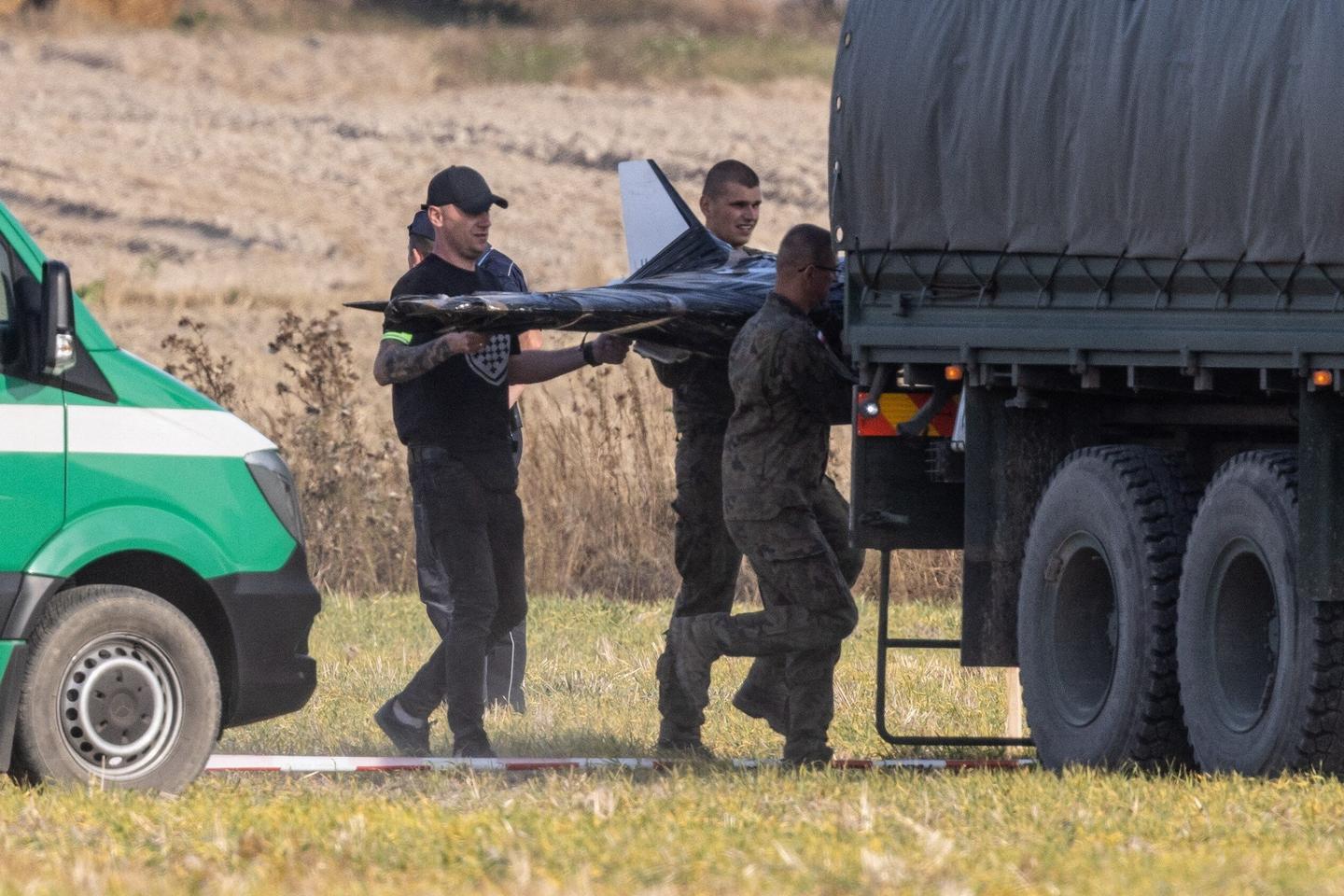
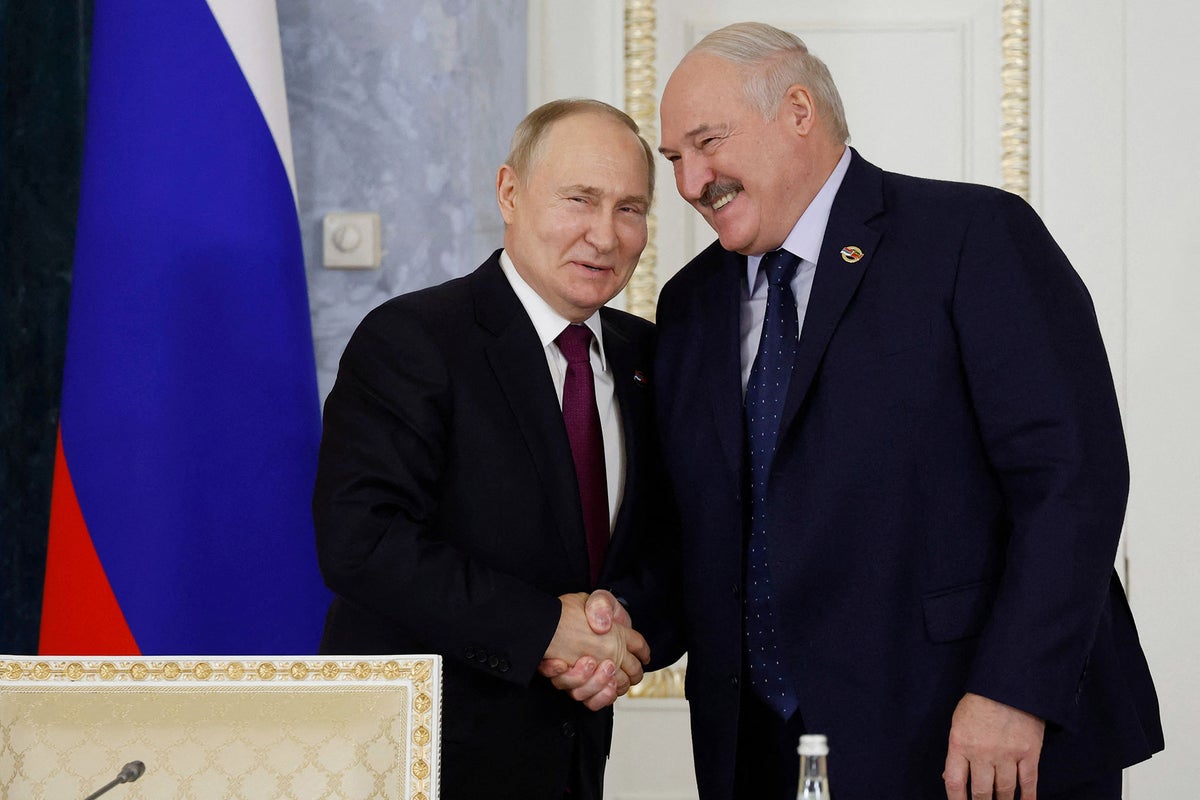
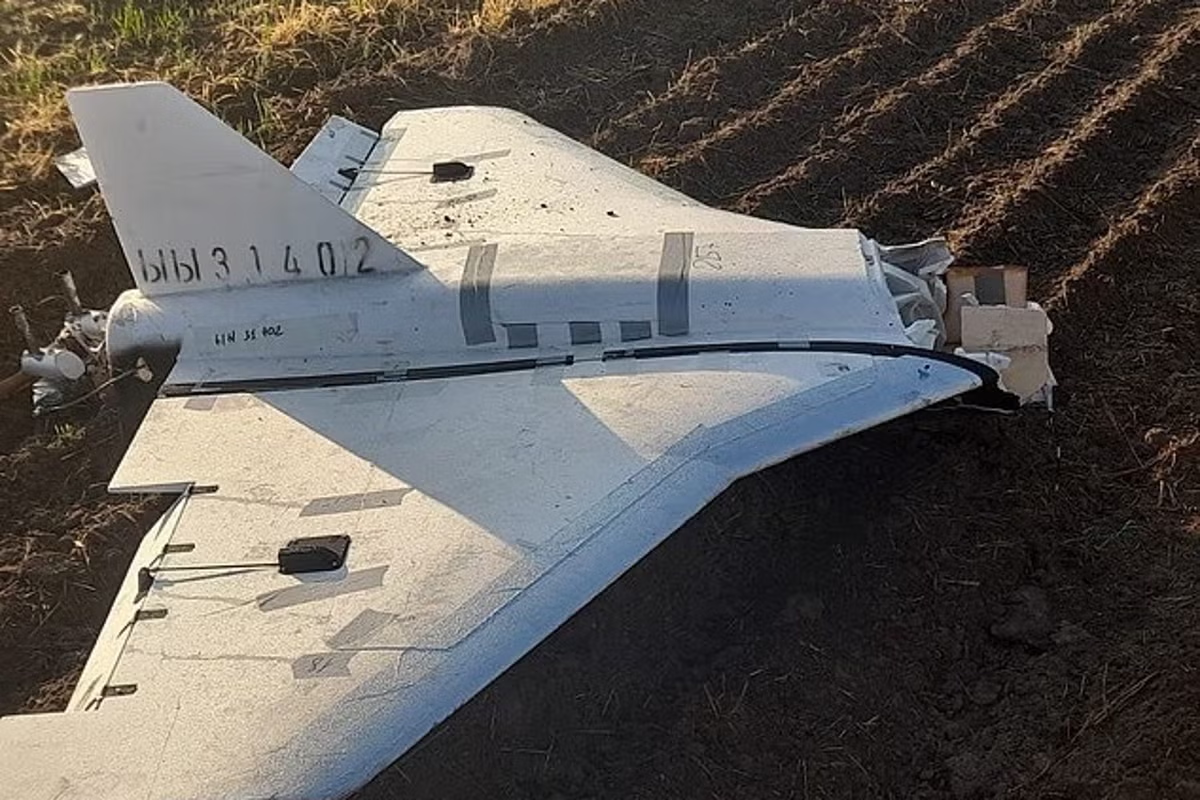
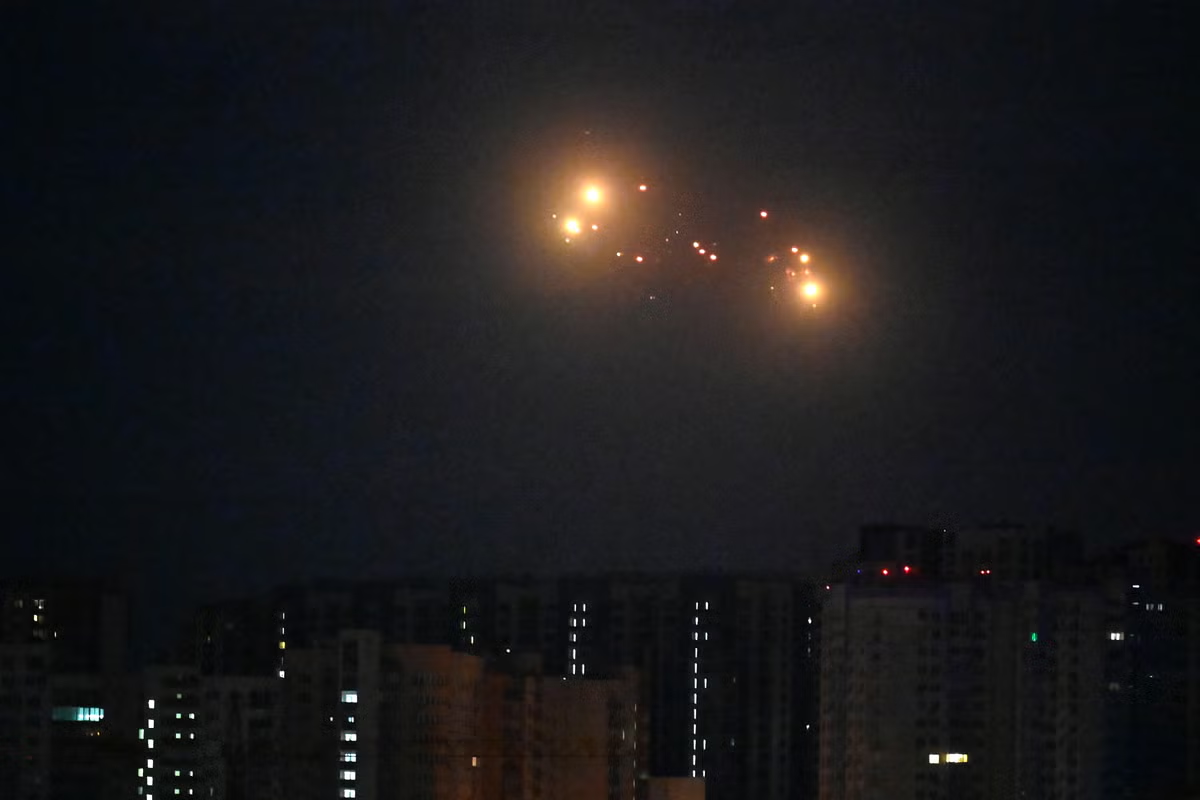
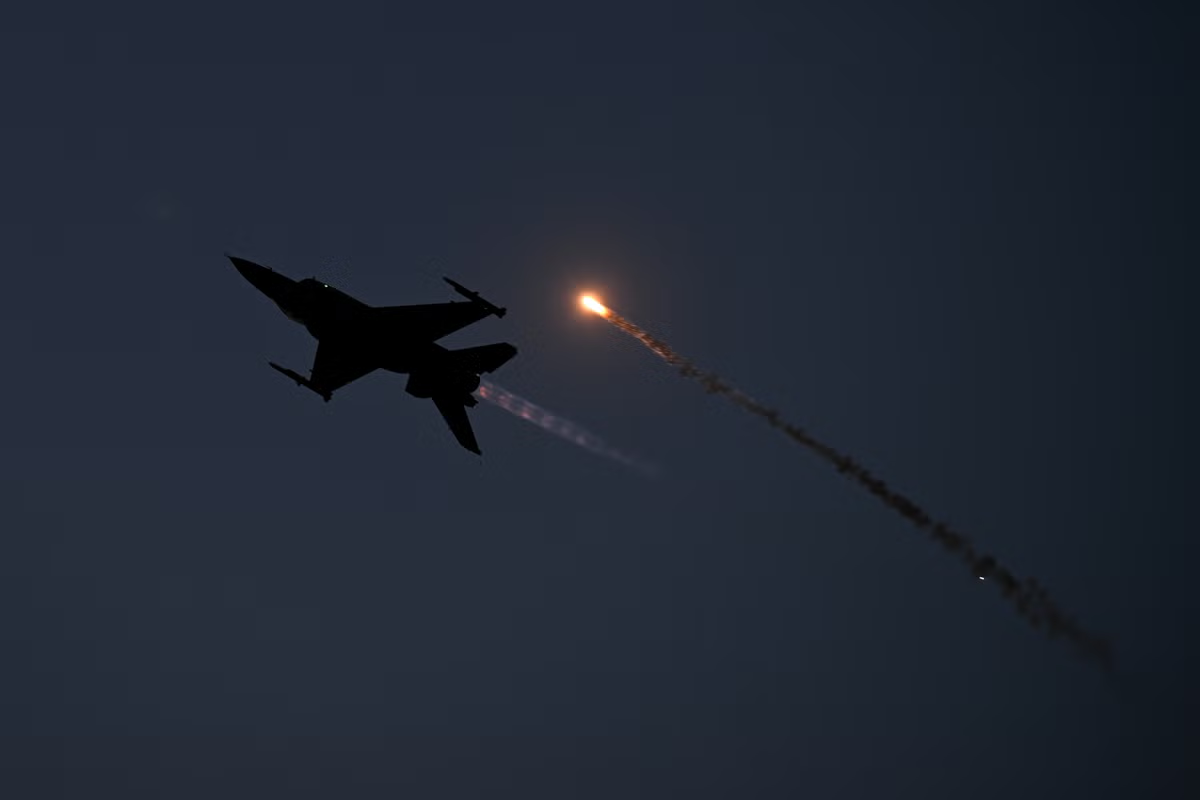
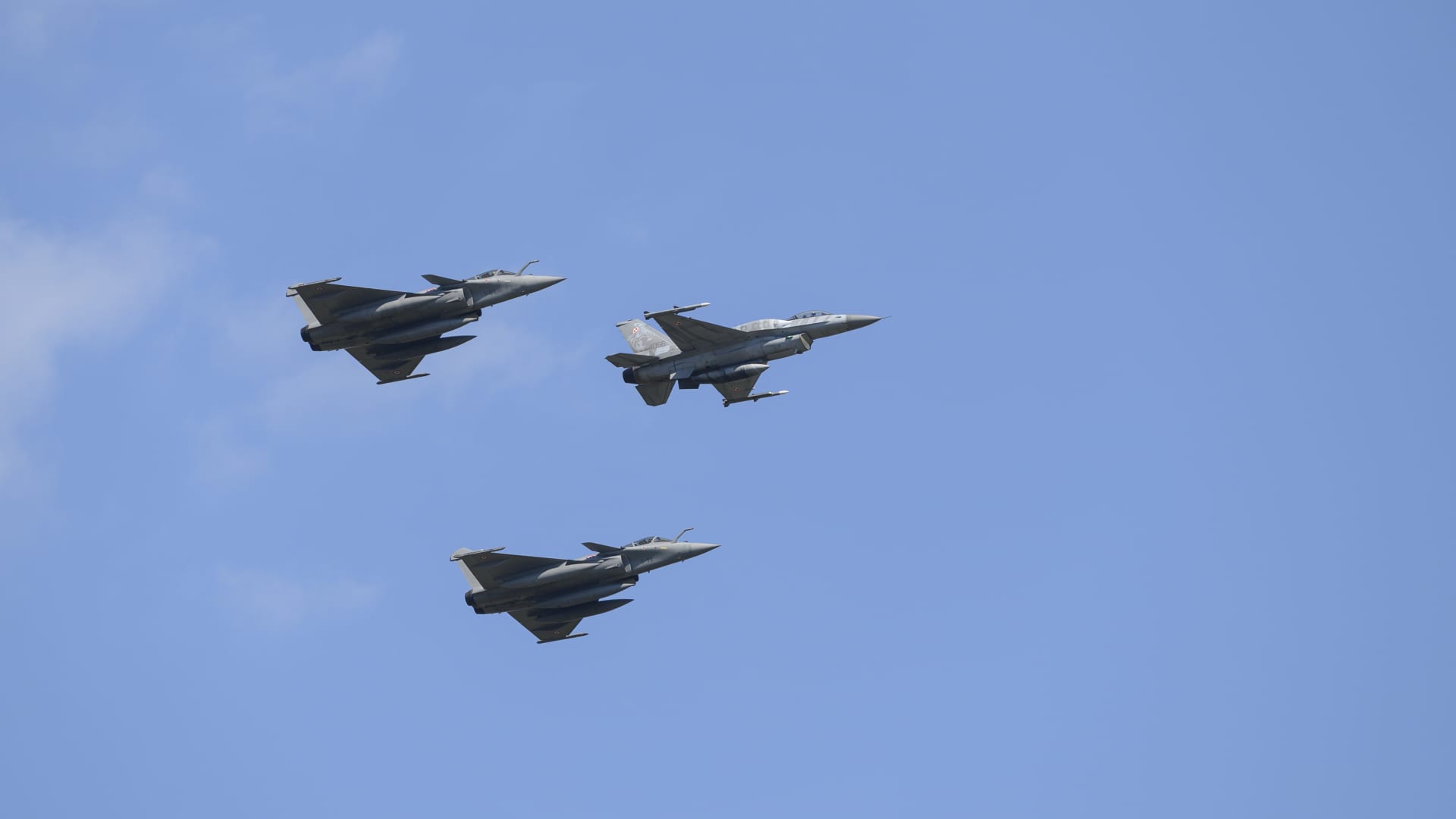
Whatever Donald Trump discussed with Vladimir Putin in Alaska last month, the outcome has only been a stepped increase in Russian aggression that has now forced Nato’s military into action. On Tuesday night 19 Russian drones entered the country’s airspace, according to the prime minister, Donald Tusk – a number that cannot be easily explained away as accidental.
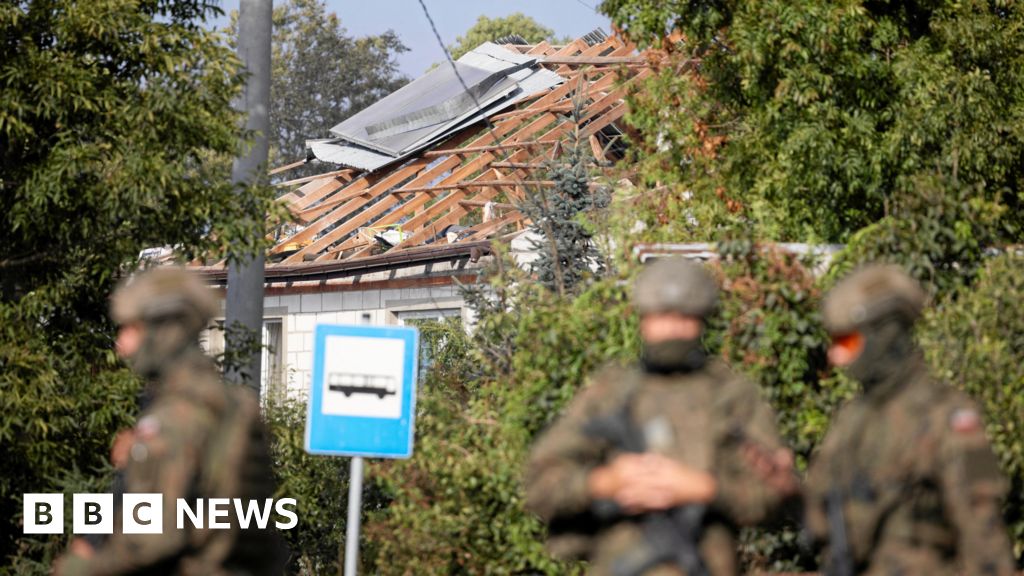
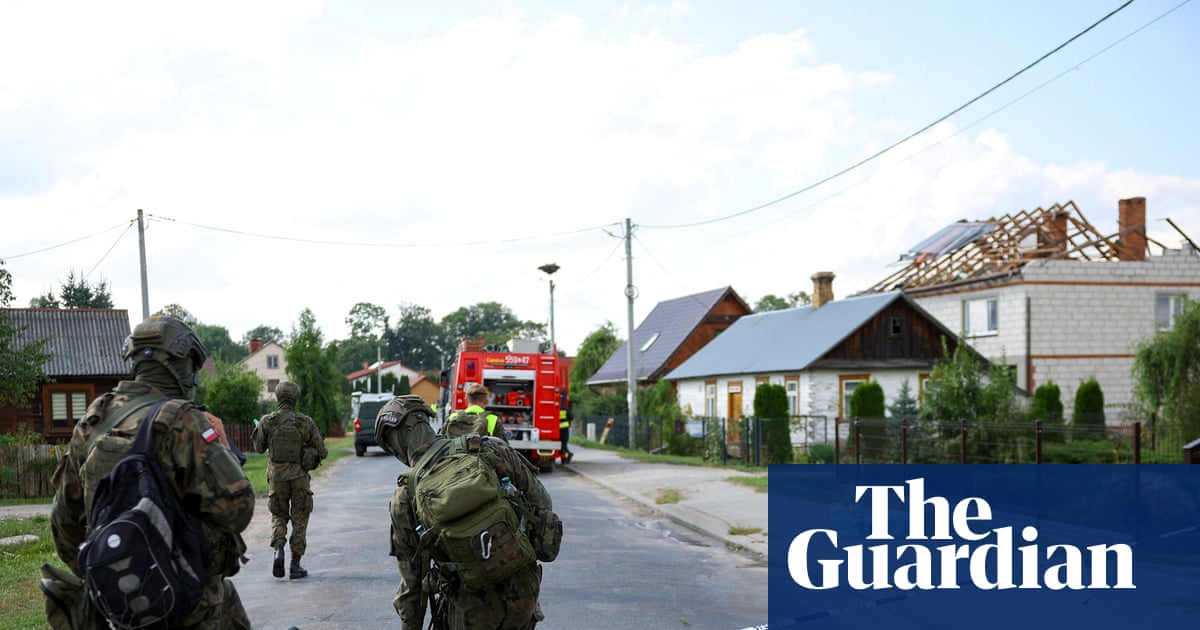
Until that point, Russia’s war in Ukraine had not spilled over in a notable way to a Nato country. Though the drone incursion cannot be described as militarily significant (only one house has been reported damaged so far) the Polish incident is qualitatively different from anything that has happened since February 2022.
A month ago a single Russian drone exploded in eastern Poland, which was at the time notable. Two days ago, Estonia complained that a Russian Mi-8 attack helicopter had violated its airspace in the Baltic Sea for the third time this year. This time the drones forced a closure of four airports overnight, some flying via Belarus.
There is a fit with other post-Alaska Russian attacks in Ukraine, however. Last month, Russia returned to its campaign of bombing Ukrainian cities, killing at least 18 people in Kyiv in late August. On Sunday, the Kremlin went one further. For the first time, a key Ukrainian government building, the cabinet building, was struck as part of a massive nationwide assault of more than 800 drones that stayed inside Ukraine.