Expecting parents to police kids’ intake of a psychoactive drug is unrealistic and unfair given the power of social media
Prof Devi Sridhar is chair of global public health at the University of Edinburgh
A
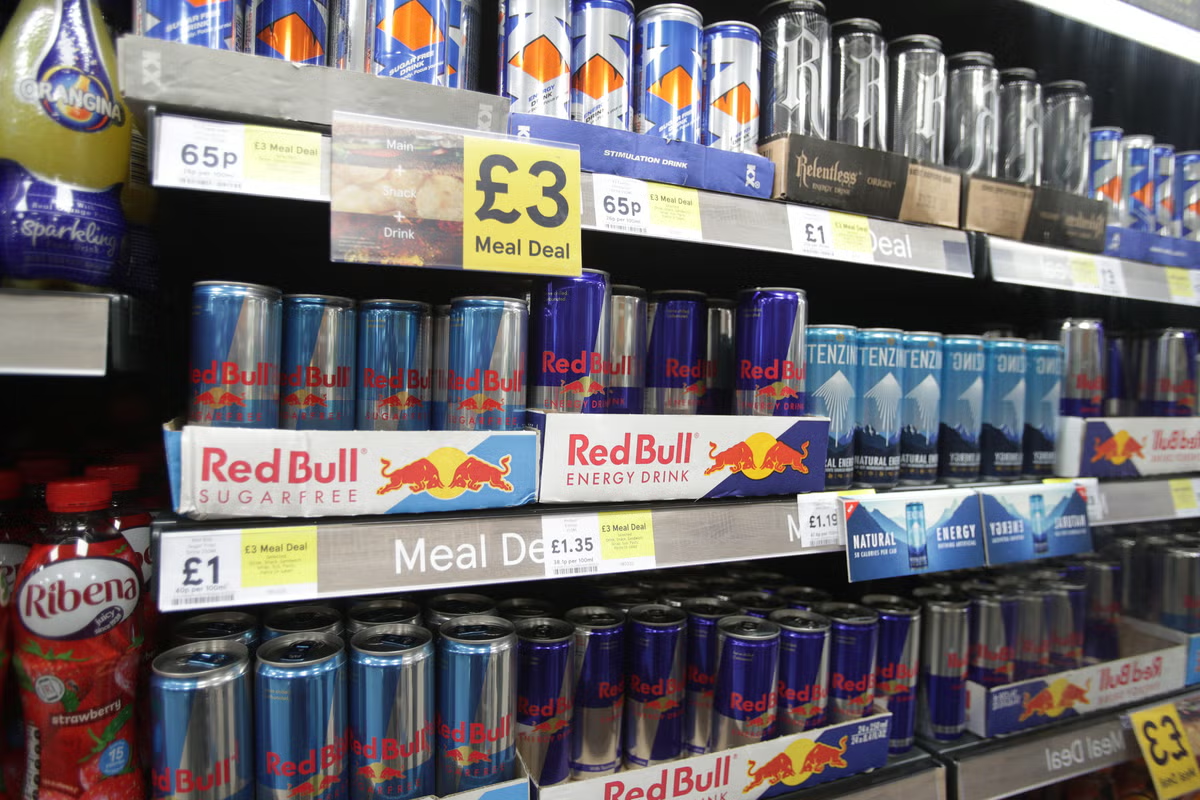
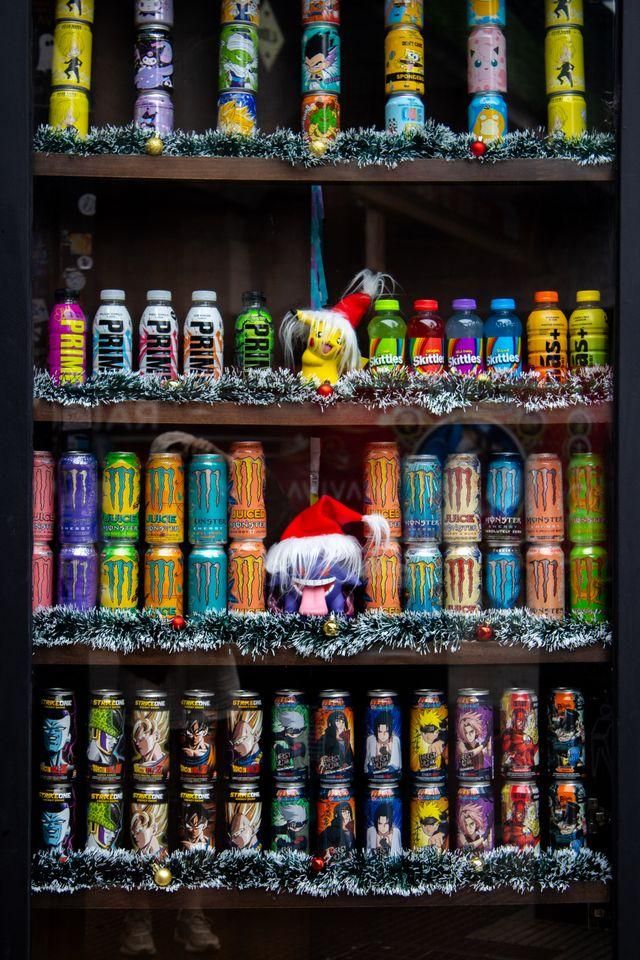
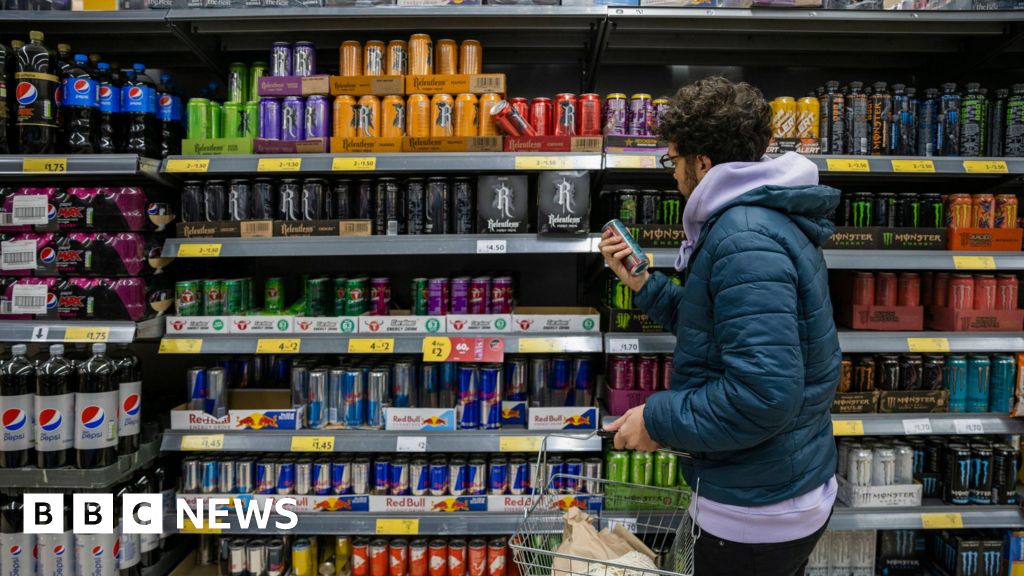
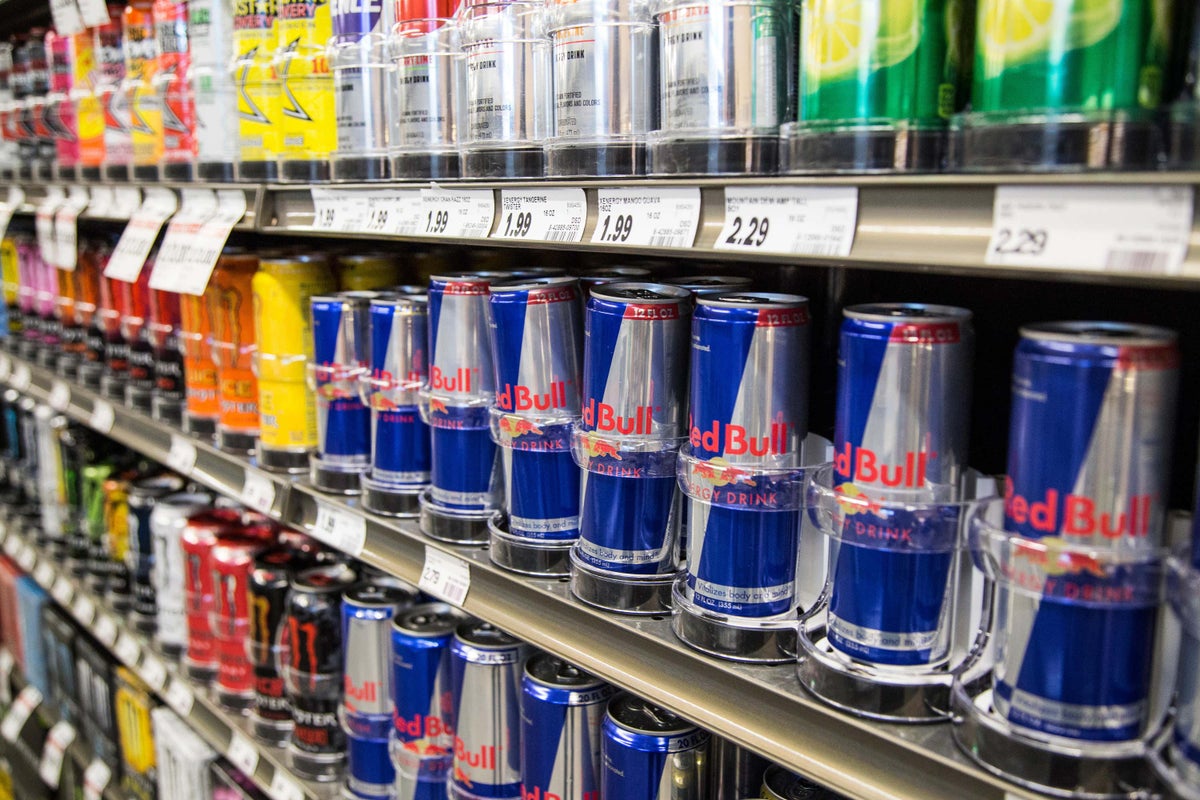
bout 18 months back, British youth were in the midst of a Prime craze. Pushed by YouTube influencers Logan Paul and KSI, this brightly coloured energy drink sparked a buying frenzy that left parents puzzled. Not only by the high price, or the resale sites that took advantage of scarcity and acted as a kind of ticket tout for the beverages, but also the desperation that children and teens apparently felt to consume this product. It’s not just Prime. Shops are full of energy drinks, often marketed at young people.
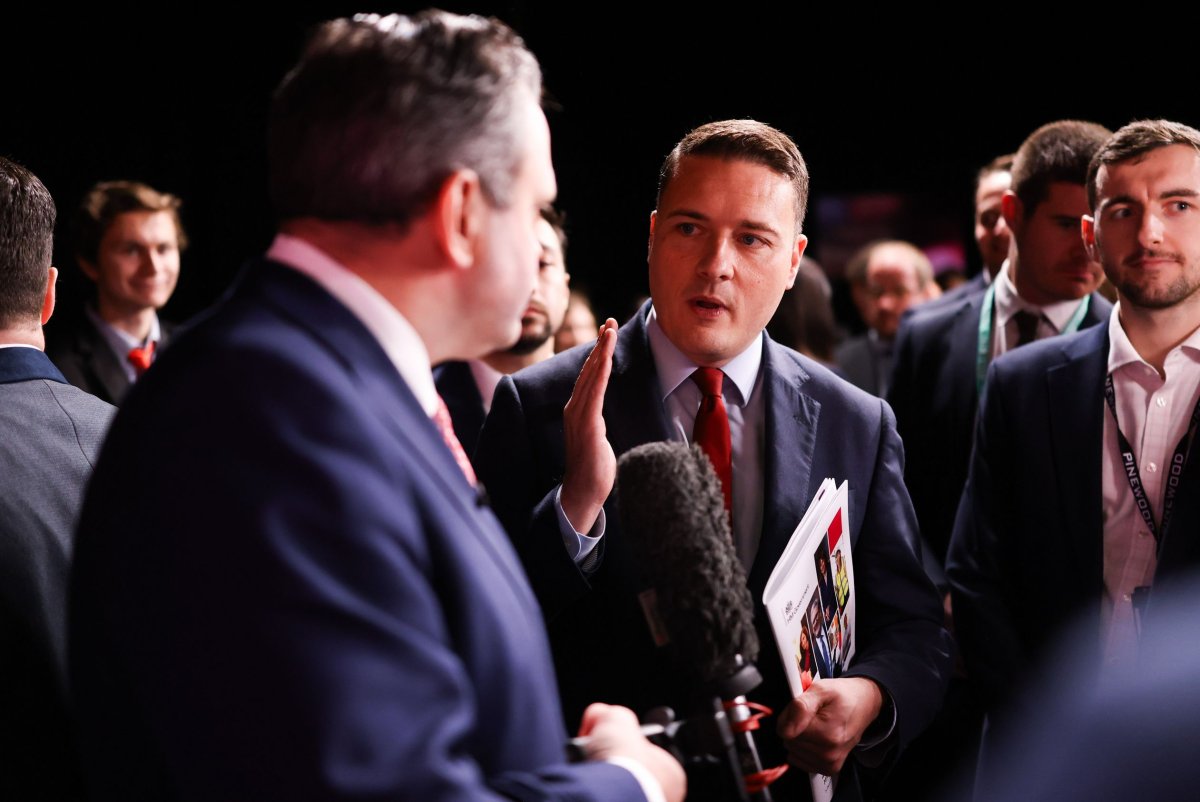
In response to growing health concerns over their consumption, the UK government recently announced that the sale of energy drinks to anyone under the age of 16 will be banned in England. Wes Streeting, the health secretary, pointed to their links to obesity, poor concentration and disrupted sleep patterns as key reasons for the policy. He said: “Energy drinks might seem harmless but the sleep, concentration and wellbeing of today’s kids are all being impacted, while high-sugar versions damage their teeth and contribute to obesity.” Sodas fall into this category too, but at the core of the debate about energy drinks is one common stimulant that few of us think twice about: caffeine.