«Most of the leading artificial intelligence researchers believe that we will most likely create beings much more intelligent than us within the next 20 years. My greatest concern is that these super-intelligent digital beings will simply replace us. They won’t need us. And since they are digital, they will also be immortal: I mean that it will be possible to revive a certain artificial intelligence with all its beliefs and memories. At the moment, we are still able to control what happens, but if there is ever an evolutionary competition between artificial intelligences, I think the human species will be just a memory of the past.»
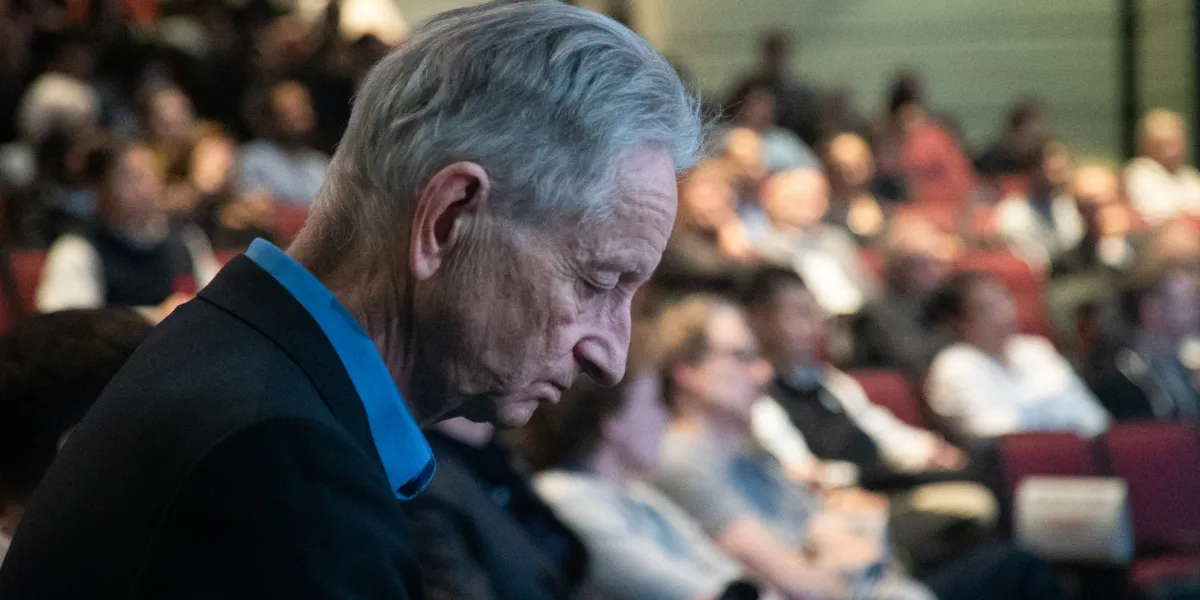
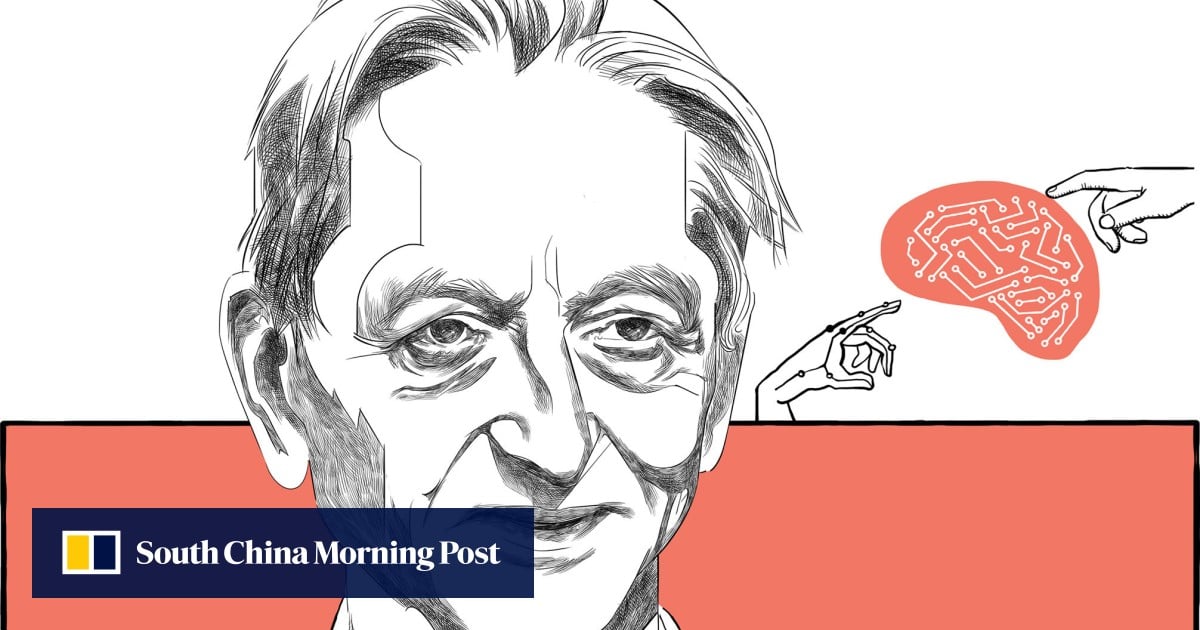
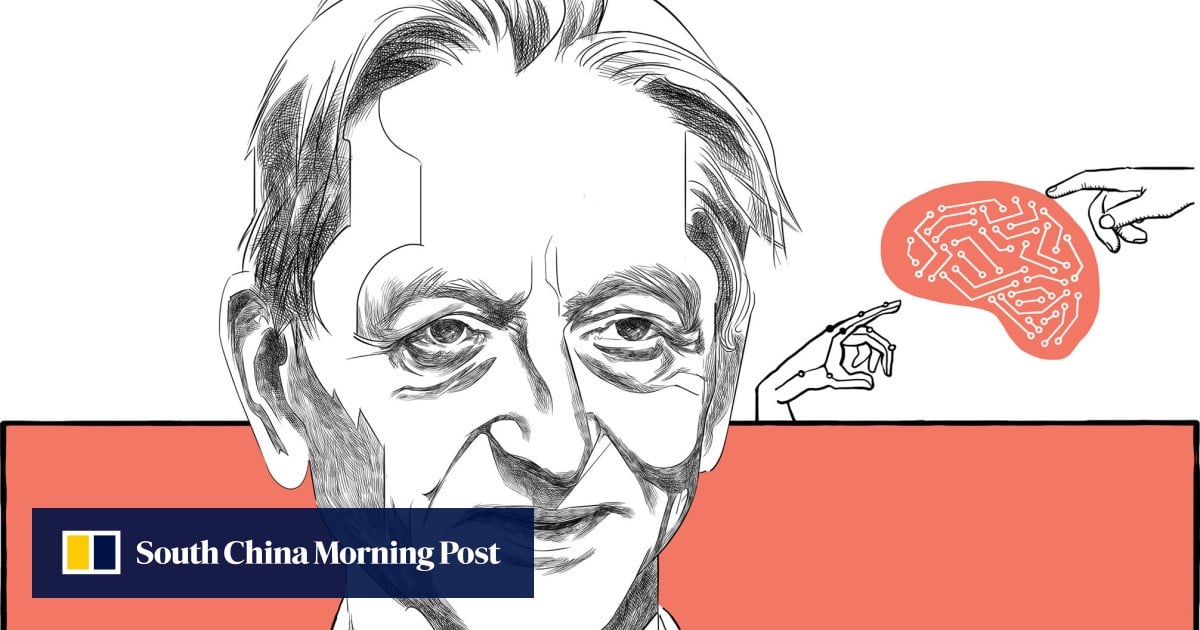
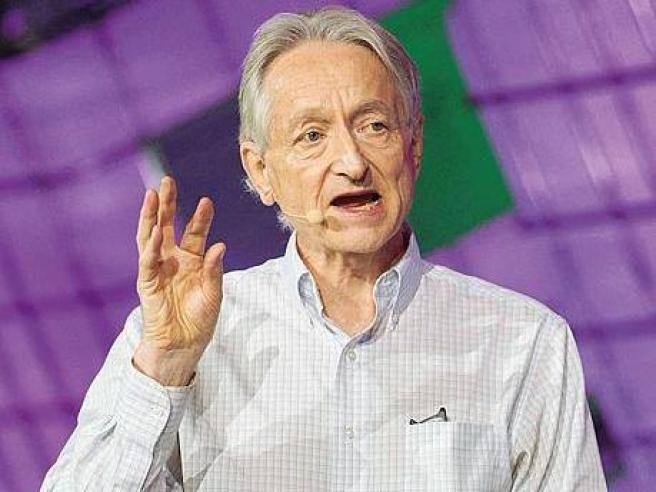
Geoffrey Hinton is in his home in Toronto. Behind him is a large wall bookcase and he - as usual - is standing. Because of an annoying back problem, they call him «the man who never sits down» (but in reality, for short periods and with some precautions, he can). He is wearing a blue shirt that, together with his gray hair and sweet smile, make him look like those characters in books or movies who come to save us from a terrible threat. They say he is one of the three fathers of artificial intelligence, but since the other two (Yoshua Bengio and Yann LeCun) were, in different ways, his students, if there were an Olympus of artificial intelligence, Geoff Hinton would be Jupiter. And in fact, last year he won the Nobel Prize in Physics (with John Hopfield) «for fundamental discoveries and inventions that enable machine learning with artificial neural networks.»