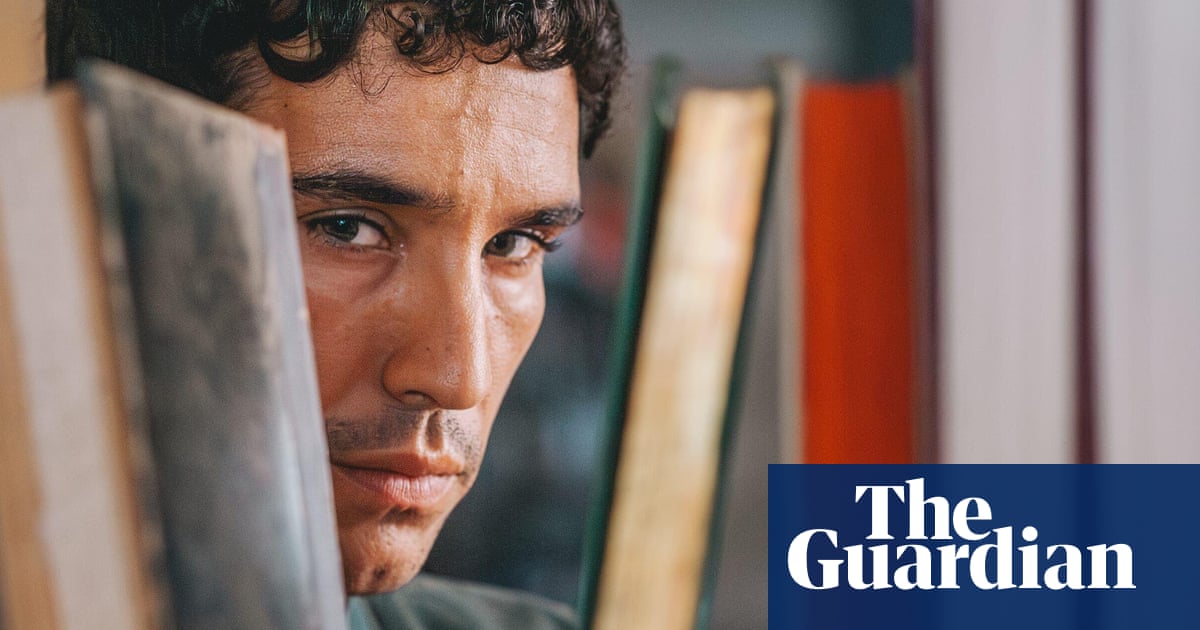
Director Jonathan Millet contacted a secret cell that hunts down Assad’s collaborators while researching a new film. He soon realised that it could not be a documentary …
‘I
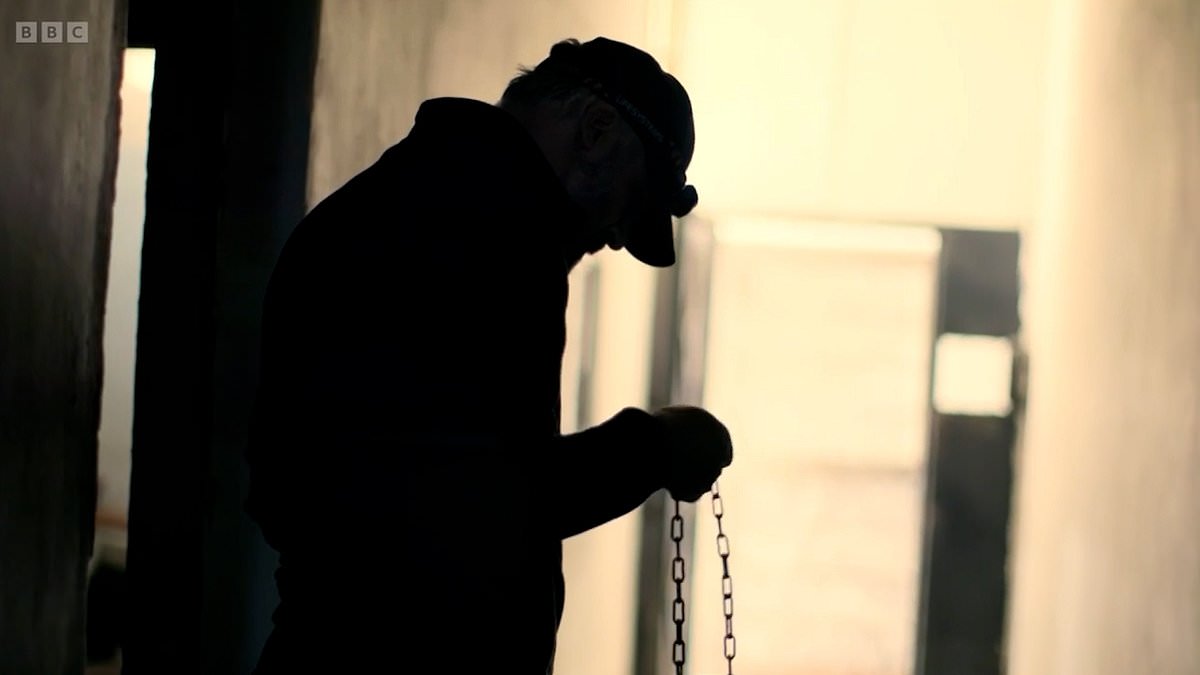
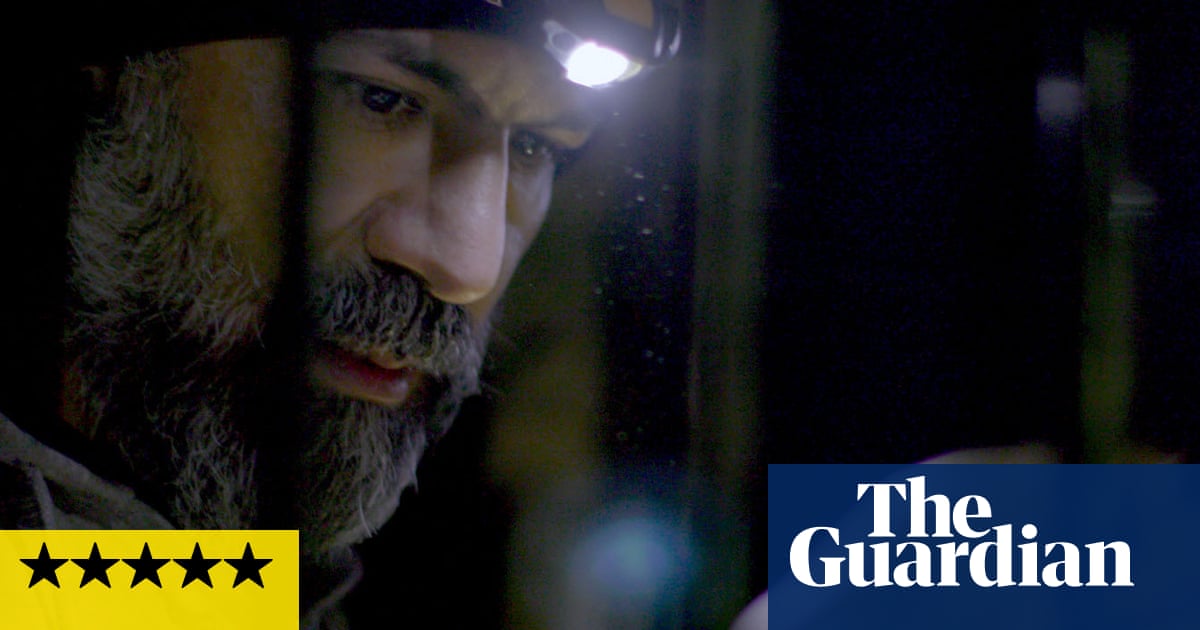
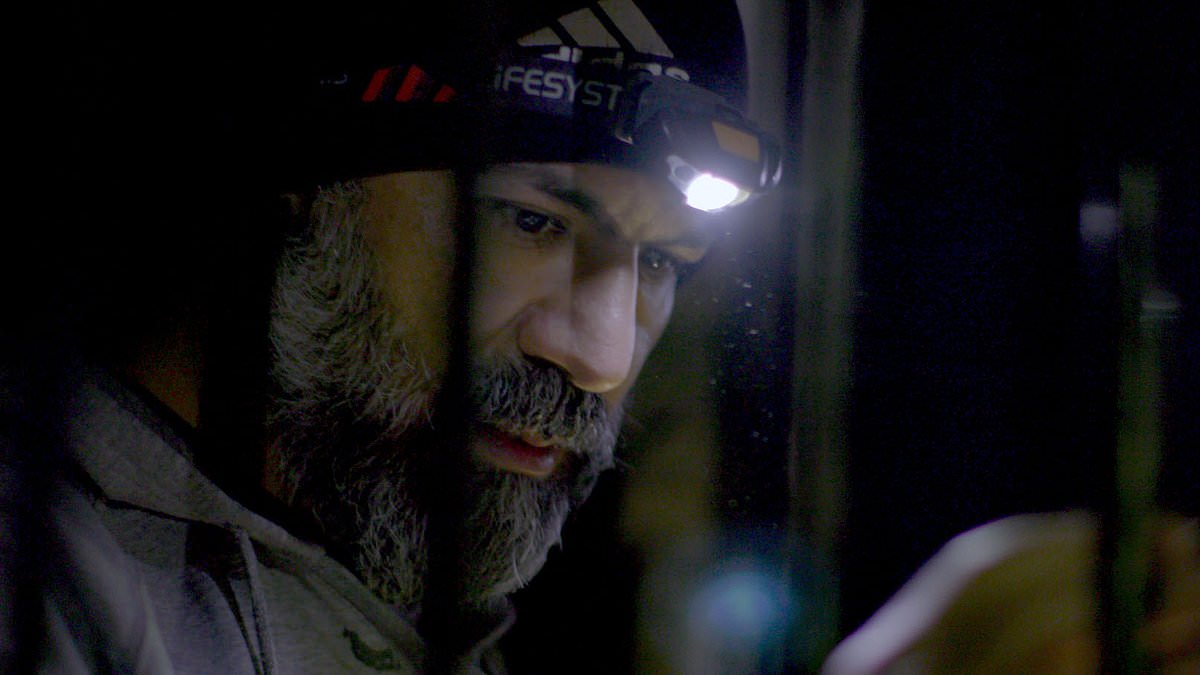
never show a single image of torture,” says French director Jonathan Millet. “When you leave things off-screen, often the image the viewer creates are the ones that are most deeply anchored in their fears and anxieties.” Millet’s new film, Ghost Trail, follows a Syrian refugee in Strasbourg as he attempts to locate the man who brutalised him in Sednaya prison, Damascus.
Ghost Trail therefore joins the roll call of cerebral films that manufacture an uncanny power from what isn’t depicted. But here, it’s not achieved in exactly the same fashion as ones where the consequential action is cropped out of view, like Auschwitz over the picket fence in The Zone of Interest. In Millet’s film, the invisible is compacted inside characters doing ostensibly banal things, more akin to Chantal Akerman’s housewife-observing Jeanne Dielman, 23 Quai du Commerce, 1080 Bruxelles.
It unfolds like a spy movie as a refugee called Hamid obsessively shadows a university professor he believes to be his former tormentor. Savouring his smell and the sound of his voice in a way that borders on the erotic, it’s as if he’s trying to grasp his unseen essence, and everything it implies. With this sense of politics, history and violence hidden in plain sight, the film it most resembles is Michael Haneke’s 2005 classic Hidden. “One of my starting points was to make us experience history in a very subjective way through the senses,” says the 40-year-old director, speaking via Zoom from his home in Paris.