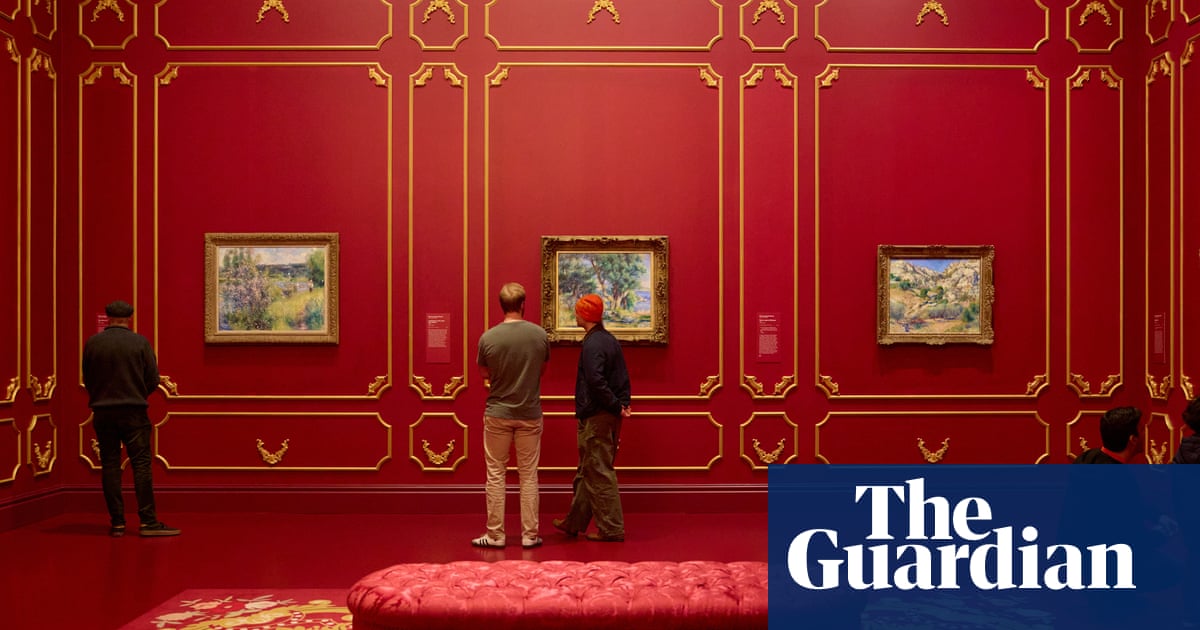
National Gallery, London
The tradition of neo-impressionism begun by Georges Seurat was radical, even revolutionary, but this po-faced showcase is sadly lacking its joyful dazzle
G
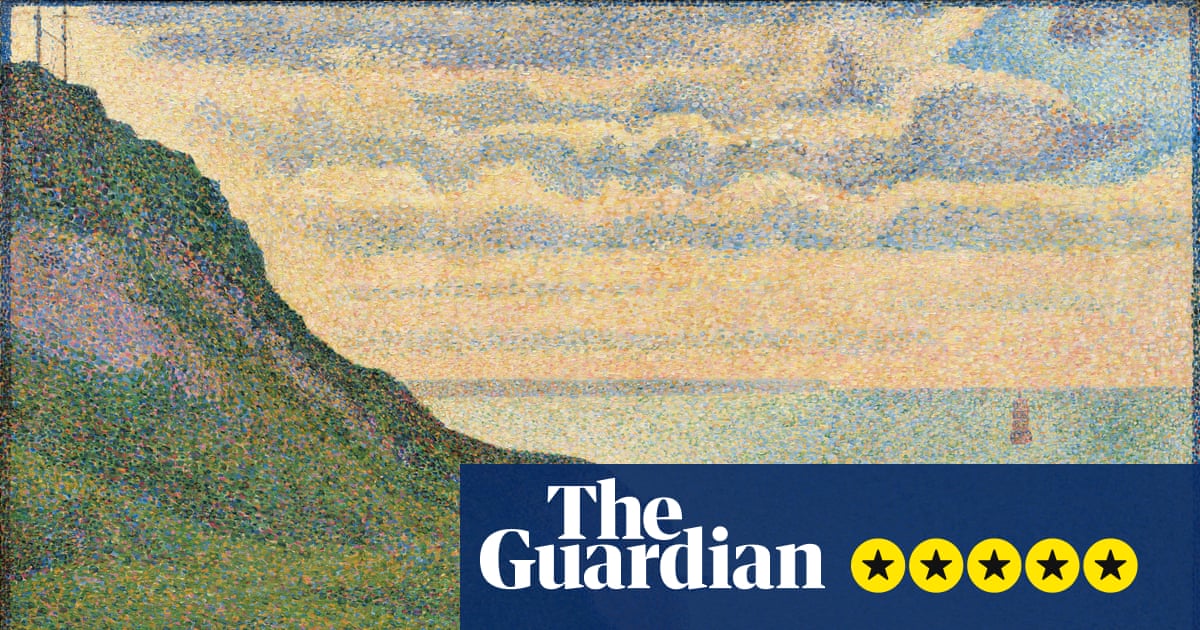
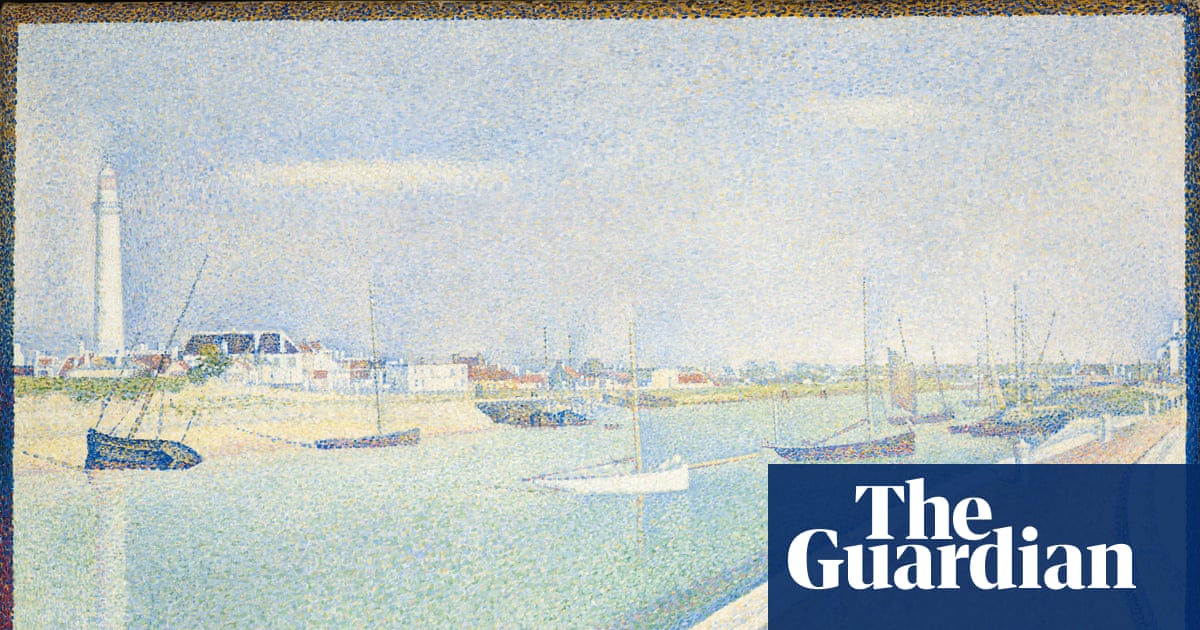
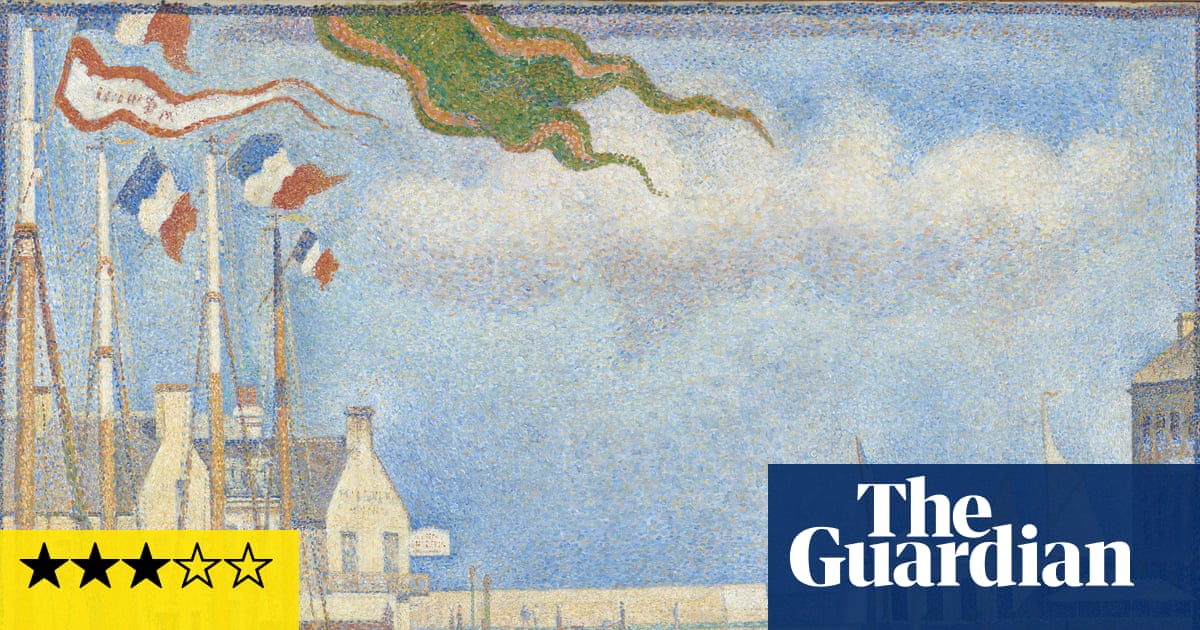
eorges Seurat had kaleidoscope eyes. He saw in limitless colours, that swarm and bubble on his canvases in galaxies of tiny dots. Choosing random, barren subjects – an empty harbour, a rock – he found endless wonder in the most banal reality. In his 1888 painting Port-en-Bessin, a Sunday, myriad blues and whites create a hazy sky and mirroring water while a railing in the foreground explodes into purple, brown and orange as if it had a lurid spotty disease. Seurat only lived to the age of 31, but he inspired an entire art movement, the neo-impressionists, who copied his “pointillist” method.
Yet in a coarse-grained approach to this fine-grained art style, the National Gallery struggles to tell a different story. The neo-impressionists didn’t just paint dots, they dreamed of revolution. And by the way we shouldn’t call them by the evocative nickname “pointillist” because they didn’t like it.