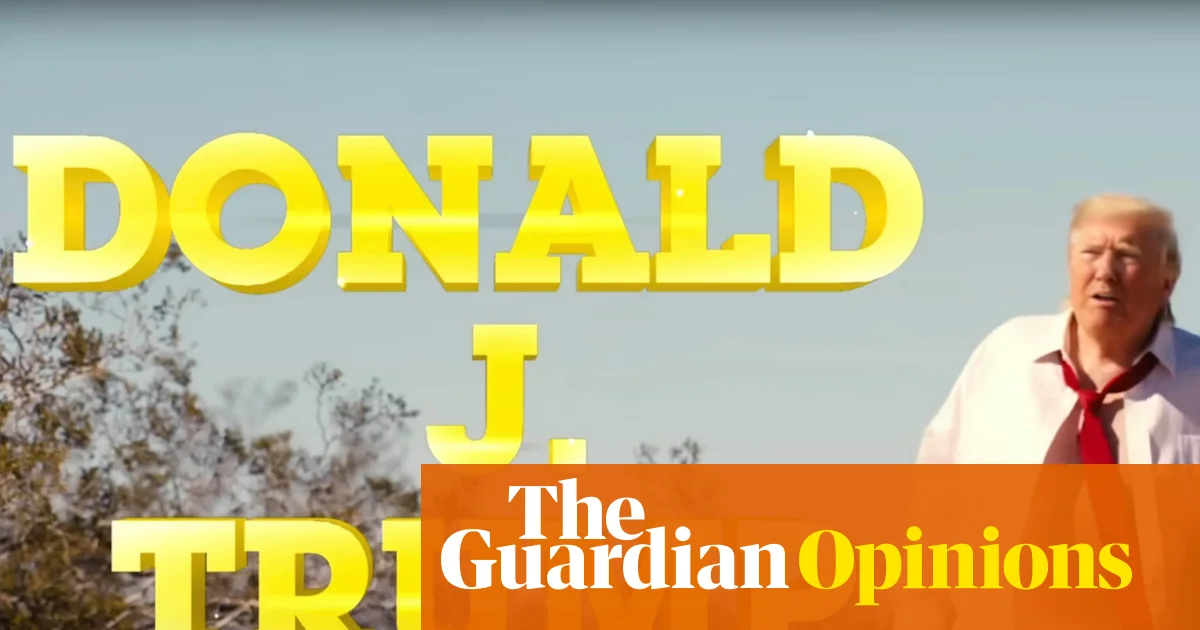
Be aware that the qualms about using AI imagery and deepfakes in politics are breaking down. It will soon just be part of the political language we all use
T
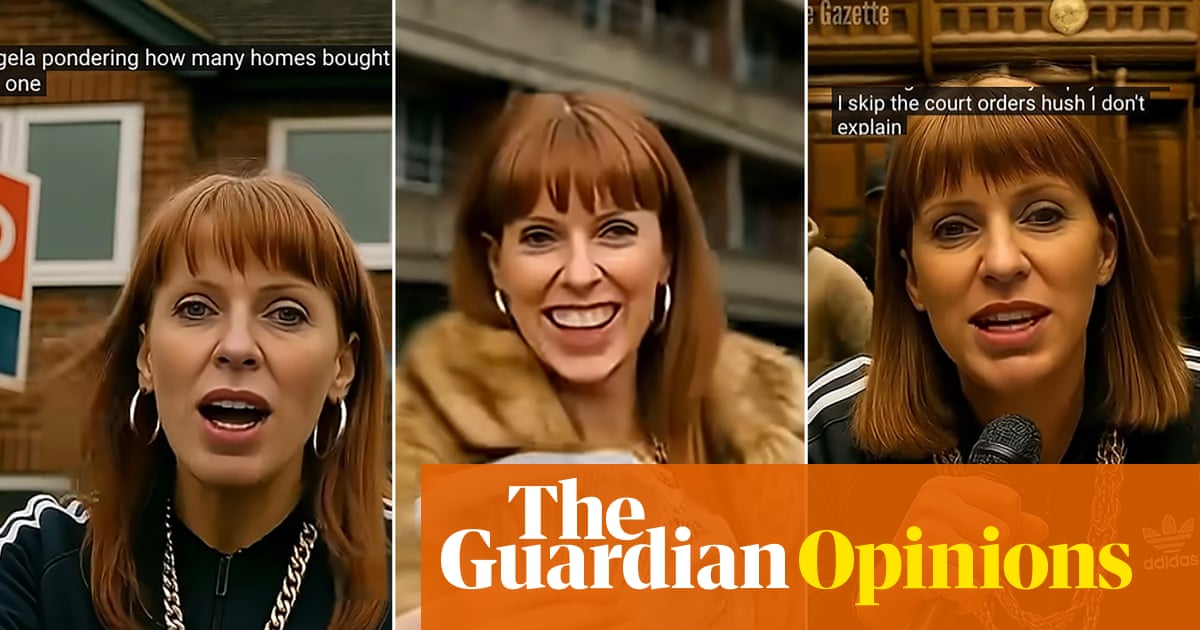
his week, an AI-generated rap featuring Angela Rayner racked up millions of views and tens of thousands of reactions on Facebook. Wearing a gold chain, Adidas tracksuit and handling suspiciously blurry-looking banknotes, it is obvious to most viewers that it is the product of generative AI. The creators, the Crewkerne Gazette, who run satire pages on Facebook and YouTube, have made a series of parody songs – all AI-generated – featuring other notable figures such as Keir Starmer, Nigel Farage and King Charles. With attention from millions of social media users, and even the national press, they are now pushing to get the song to the top spot in the UK Top 40.
You can’t blame them. Low-effort, inflammatory, part-satire, part-commentary “AI slopaganda” has been flooding social media for months now. It has proved to be an effective way to get attention, money and political influence online.
Many of these videos are not clearcut satire. They mimic on-the-ground news reports, depicting interviews with small boat arrivals, or purport to be vlogs from the Channel crossings themselves. In these videos, AI migrants say they have come to the UK so that the government will give them money and a new phone, or that they “already have a job at Deliveroo”.