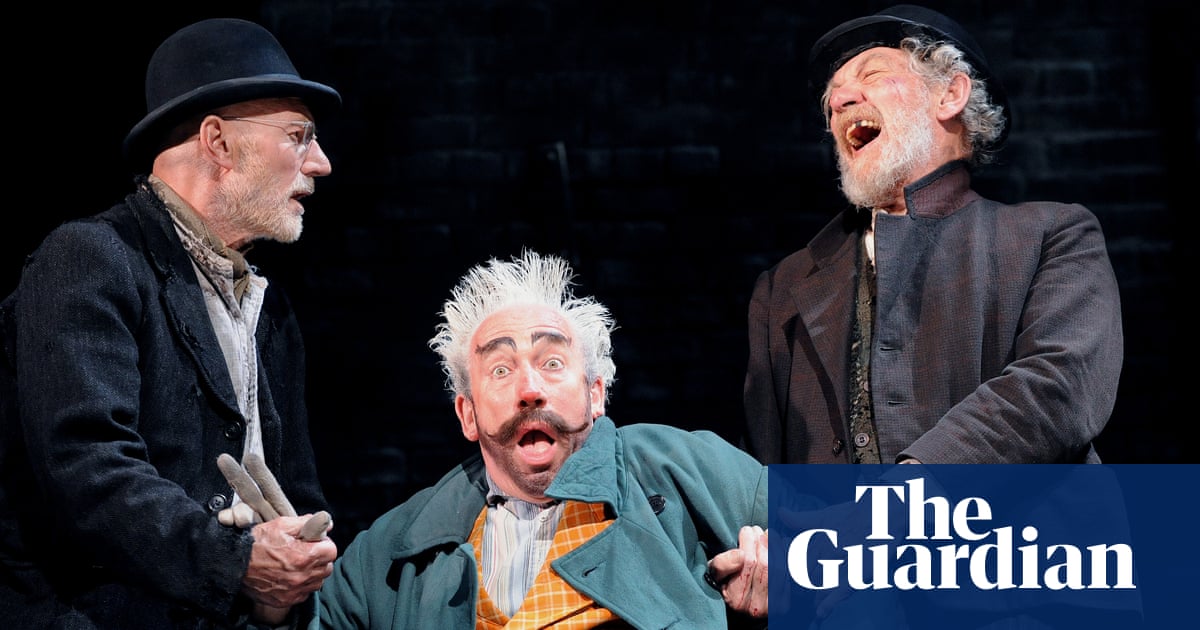
In his reverse-chronology play about a married couple dealing with an affair, Harold Pinter asked the audience to find meaning in unspoken words
I
didn’t see Harold Pinter’s Betrayal on stage until after I’d read it. I’m pleased about that – it means I’d “seen” it for myself first. The play is about a married couple, Robert and Emma, and the affair that she has with his best friend, Jerry. It has a reverse chronology, starting in the present day when the affair is over and ending years earlier as it begins, and shows what each of them knows or doesn’t know over the course of that time. I immediately thought: this is how I want to write.
I loved its spareness and economy. How taut the language was. Unspoken words filled the room, giving it energy and unpredictability and drama. It showed me how much you can leave for the actors to work out and play with. How much the words matter, but the silences, too.
Betrayal expects a level of engagement from the audience. That they work at it. To try to elicit meaning and intention rather than just sit back and passively consume it. I also love the privileged information that we have over the characters, and how it shows the unreliability of memory. Jerry recalls throwing Emma’s child in the air. “It was in your kitchen,” he says. “It was in your kitchen,” says Emma. This idea of the stories that we tell ourselves that stick and feel like truth.