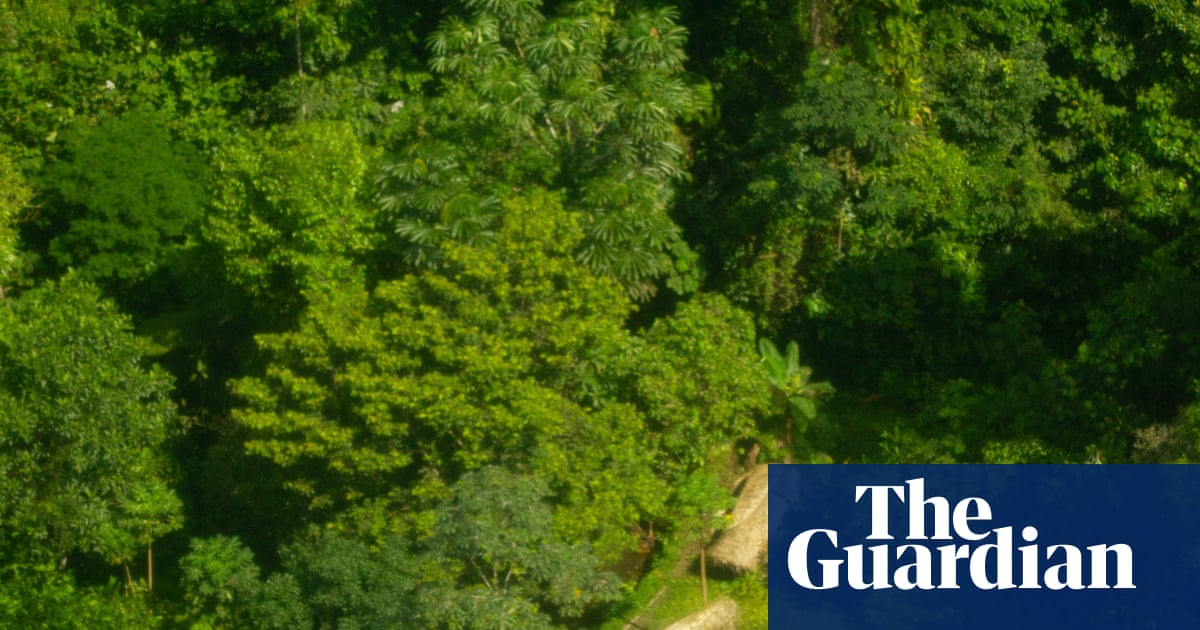
Campaigners shocked after ministers voted against the 1.2m-hectare Yavari Mirim reserve after 20 years of debate
Campaigners have accused the Peruvian government of violating international human rights law and putting lives at risk in the Amazon after it rejected a vast new territory to protect some of the world’s most isolated Indigenous communities.
After two decades of political debate, a government-led commission voted on Friday against creating the Yavari Mirim Indigenous reserve, a 1.2m-hectare (2.9m-acre) expanse of pristine rainforest along the border with Brazil. The tally was decisive: eight against, five in favour, with three members absent from the crucial vote.
The rejection comes despite evidence of human presence deep in the forest. The latest study, completed in 2024, documented 113 pieces of new evidence, including longhouses, trails, campfires, ceramic pots, bows and arrows, and cultivated areas. Aerial surveys identified 25 sites showing signs of habitation.
The decision could encourage national and regional governments to award concessions for logging, oil, gas and other extraction, say campaigners.