F
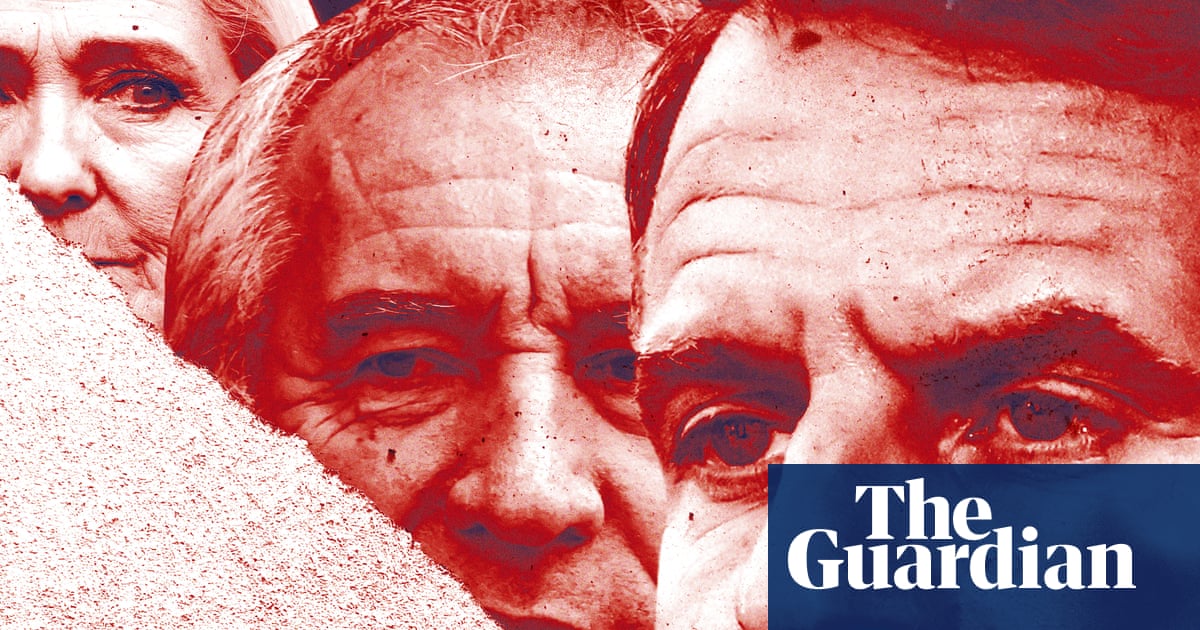
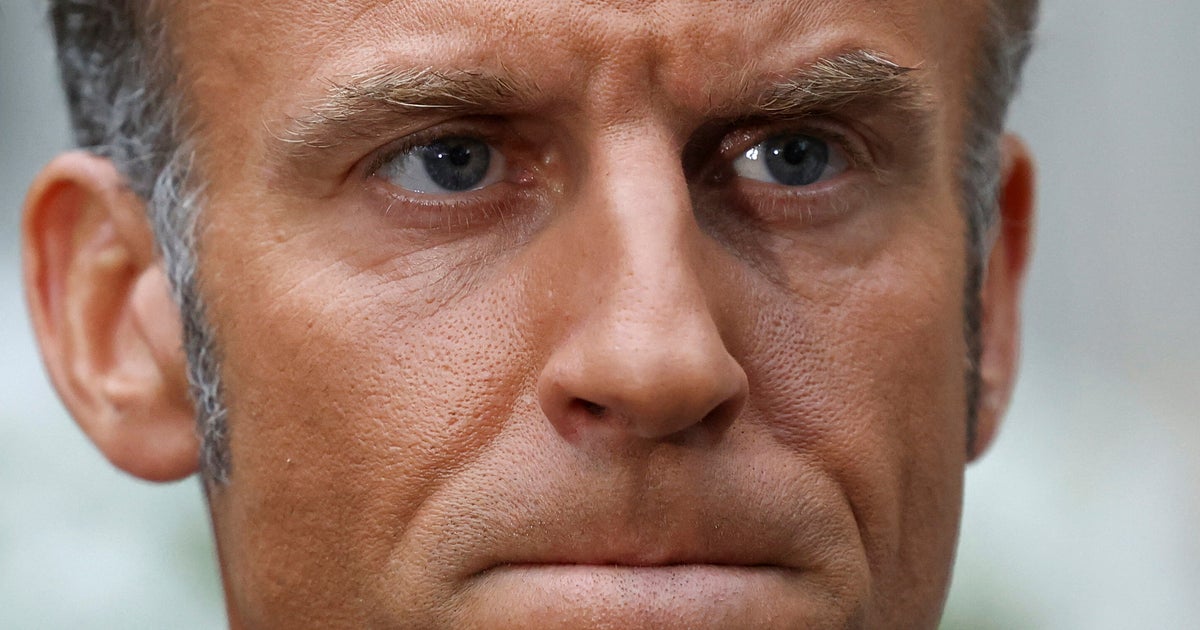
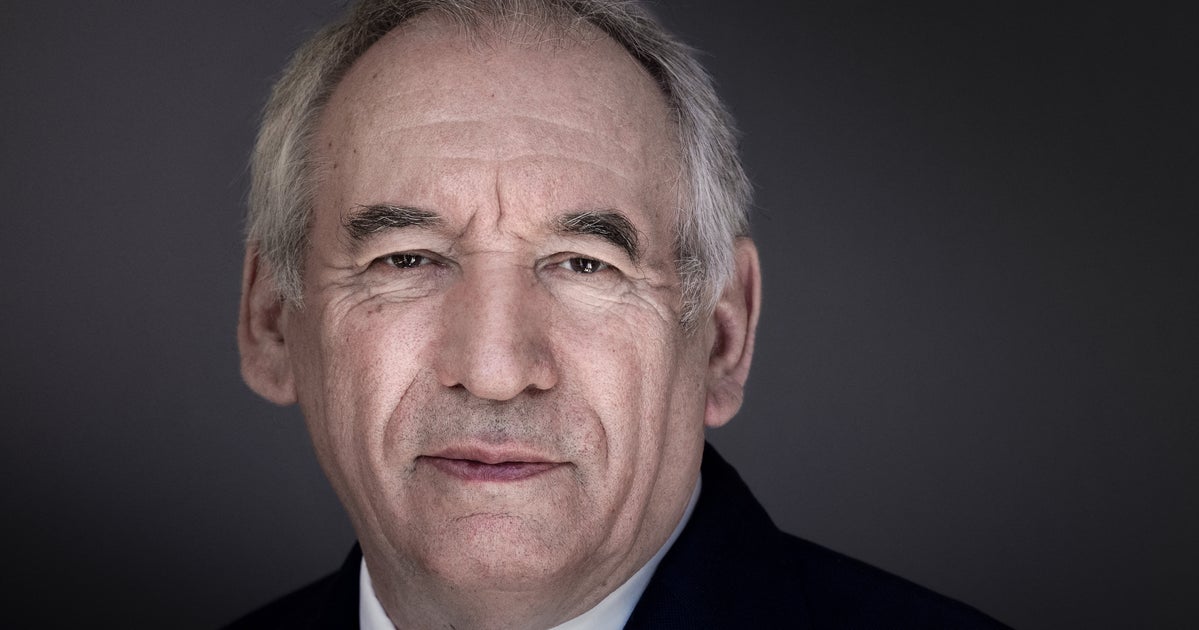
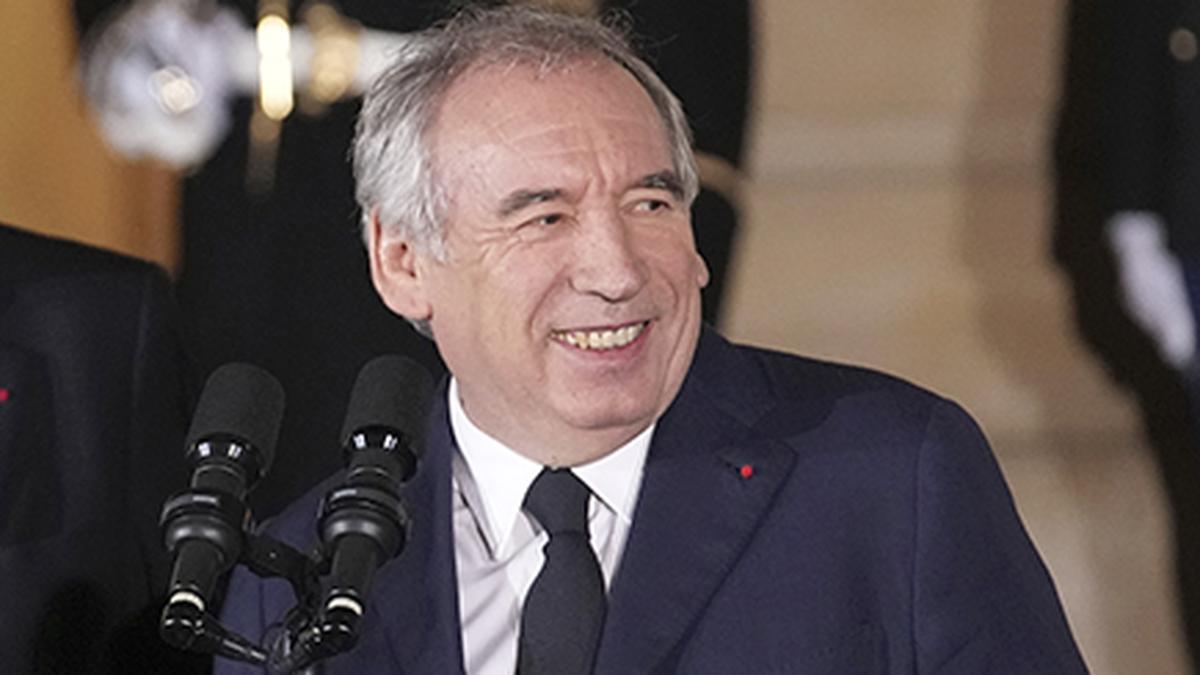
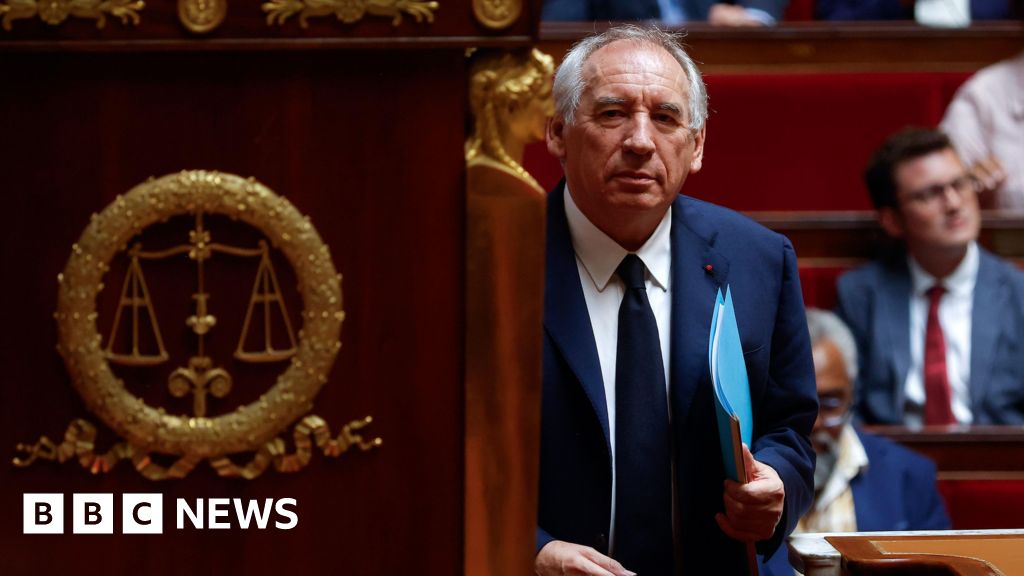
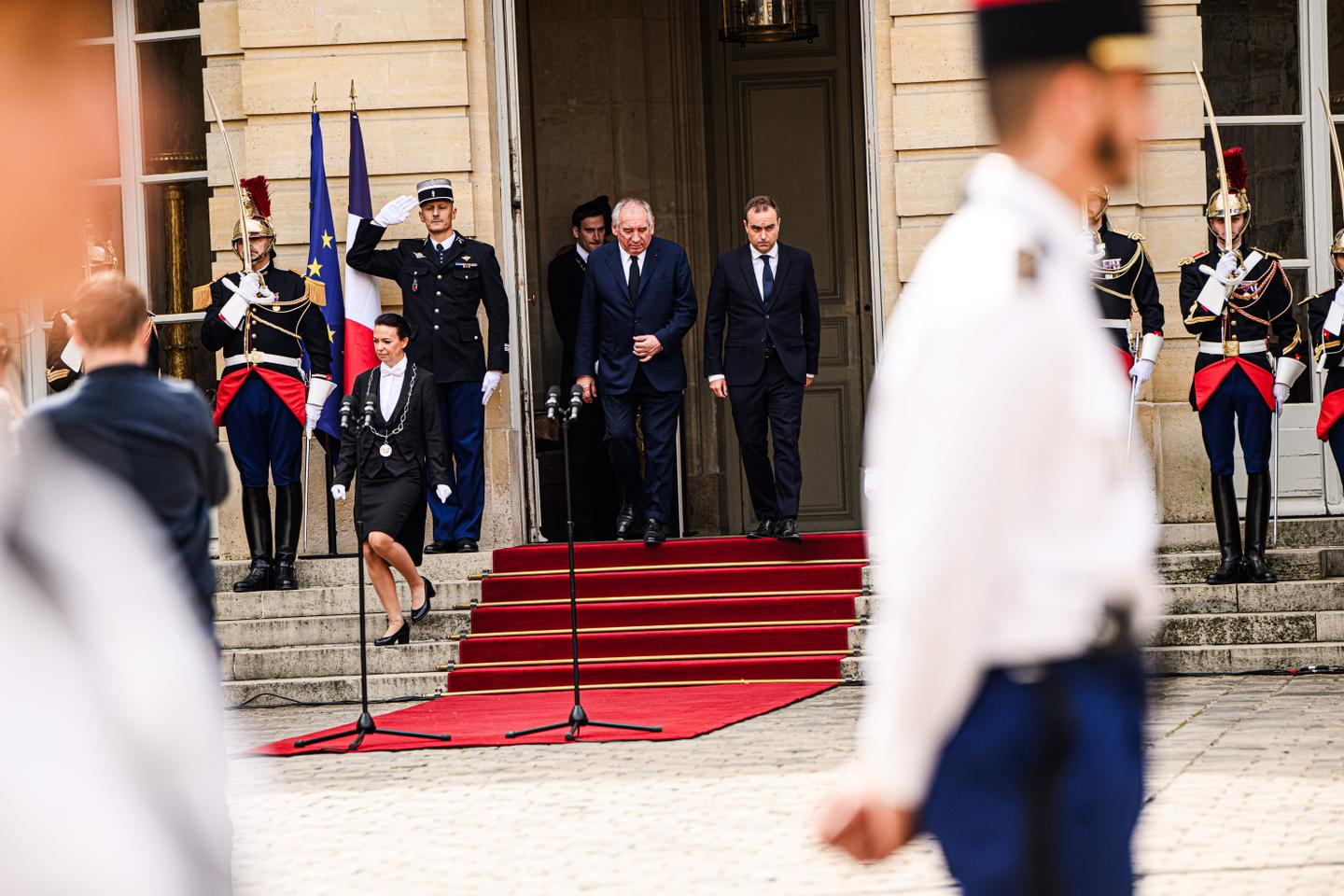
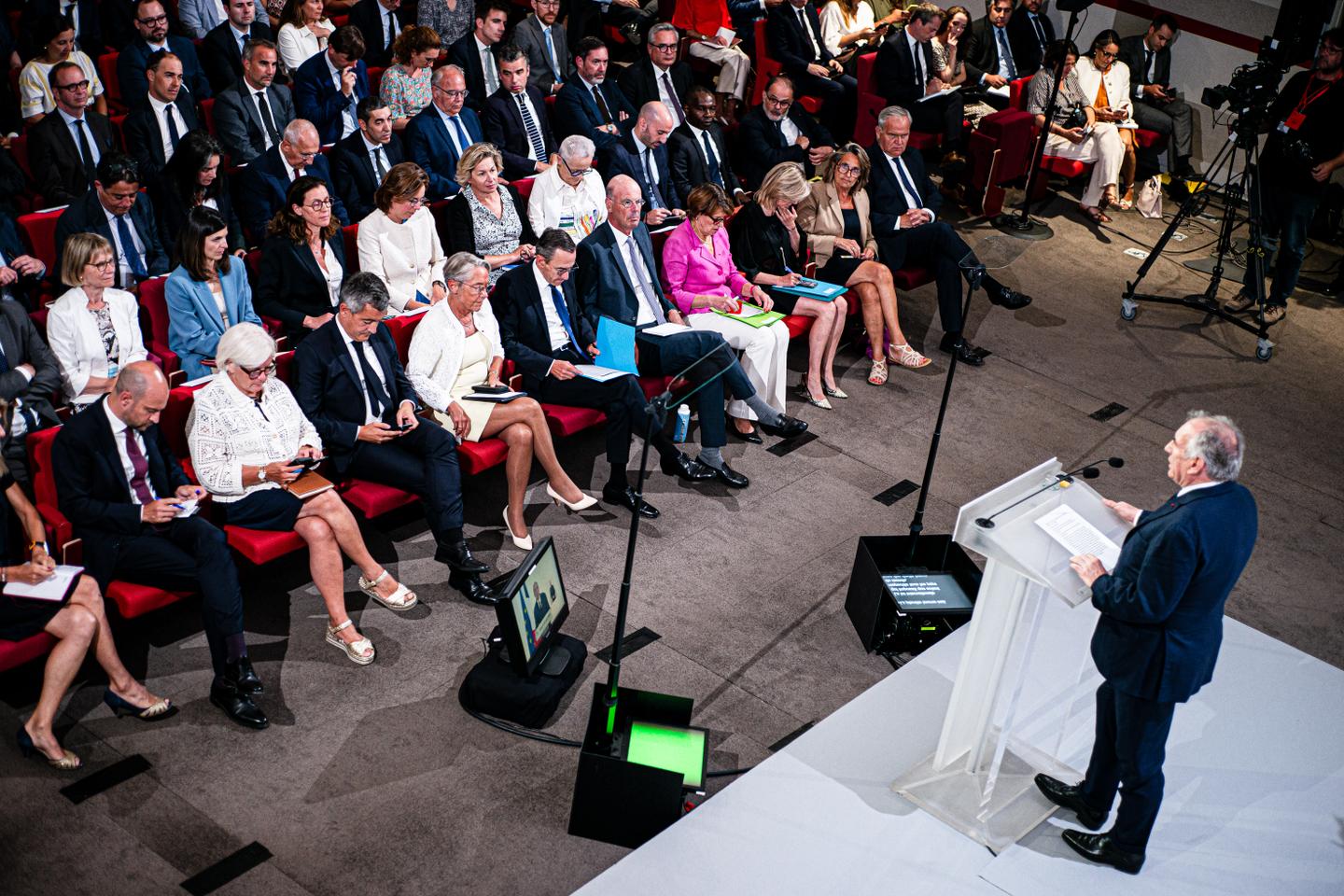
rench Prime Minister François Bayrou's relentless campaign to justify his €44-billion savings plan for 2026 has fooled no one. On Monday, September 8, France will once again find itself plunged into a new political crisis, just over a year after President Emmanuel Macron's disastrous dissolution of the Assemblée Nationale in June 2024 and nine months after the collapse of Michel Barnier's government.
Once again, out of pride and blindness, the executive branch has chosen the risk of appearing as the arsonist when its responsibility should have been to stabilize the situation for as long as possible. Unwilling to fall as his predecessor did, Bayrou is gambling on a vote of confidence in the Assemblée Nationale on Monday – a vote he will, in all likelihood, lose. He has lost on all fronts and, in doing so, is risking dragging the country into a particularly dangerous moment.
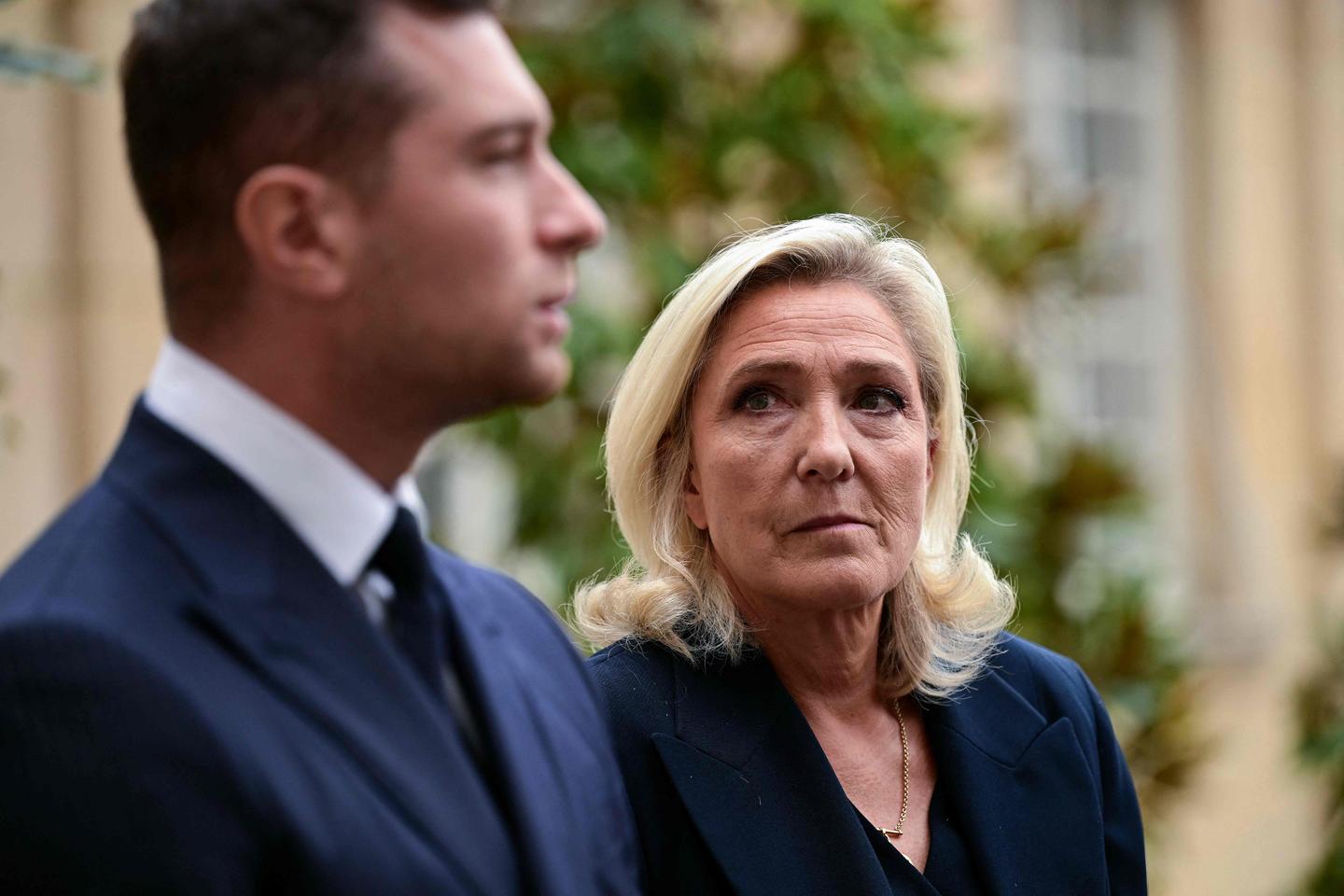
Amid the simmering anger in France, the far-right Rassemblement National party stands out as the main beneficiary. Neither Marine Le Pen's legal troubles, her lieutenant Jordan Bardella's youth, the party's abrupt policy shifts between radicalism and a quest for respectability, nor its inconsistency and amateurism on budgetary matters have slowed its momentum. The driving force lies elsewhere: Its leaders have only had to exploit the weaknesses and resignations of those who claimed to oppose them to thrive.