The ruling Liberal Democratic party is still grappling with the fallout from a years-old funding scandal that may see it go into opposition for just the third time in its history
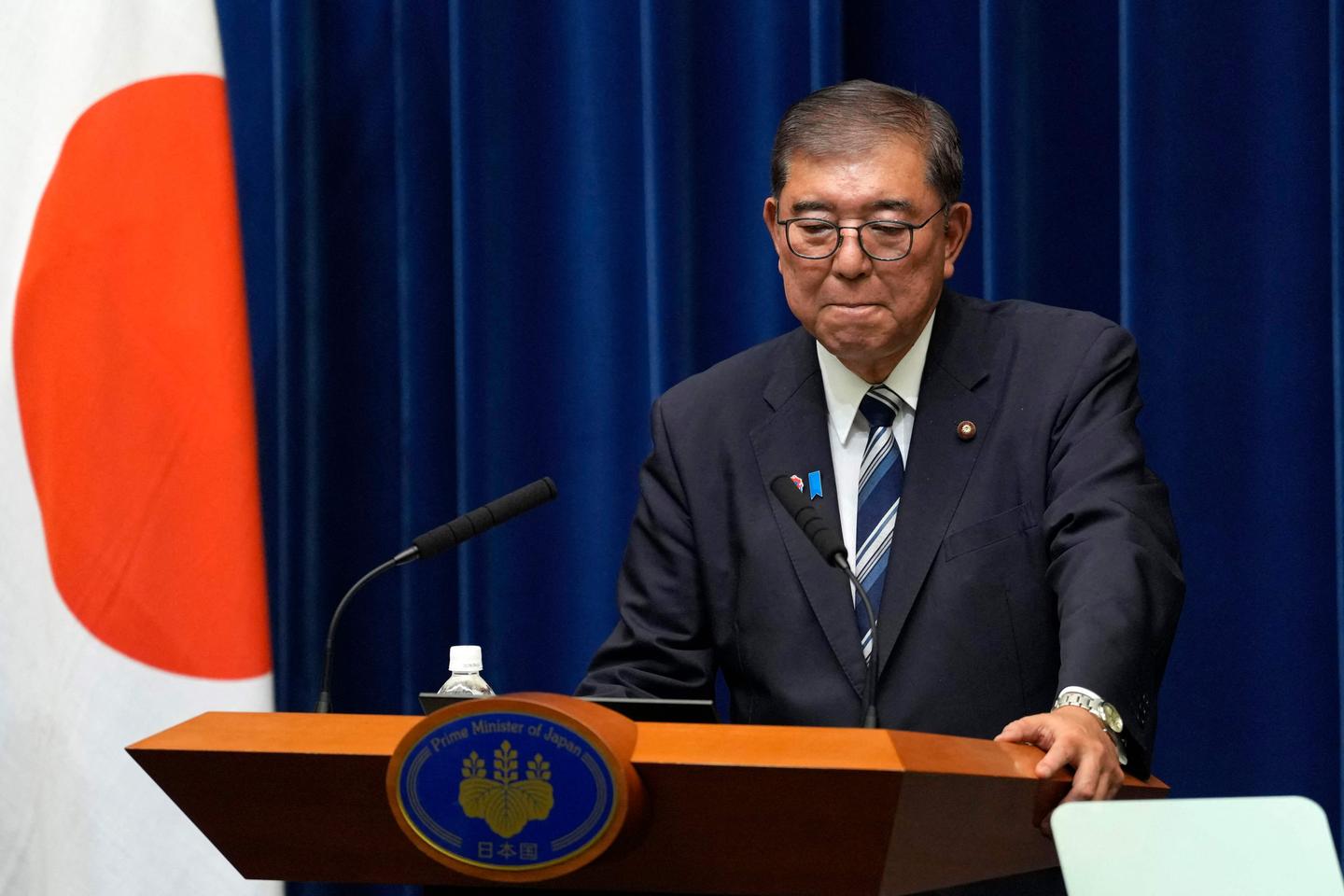
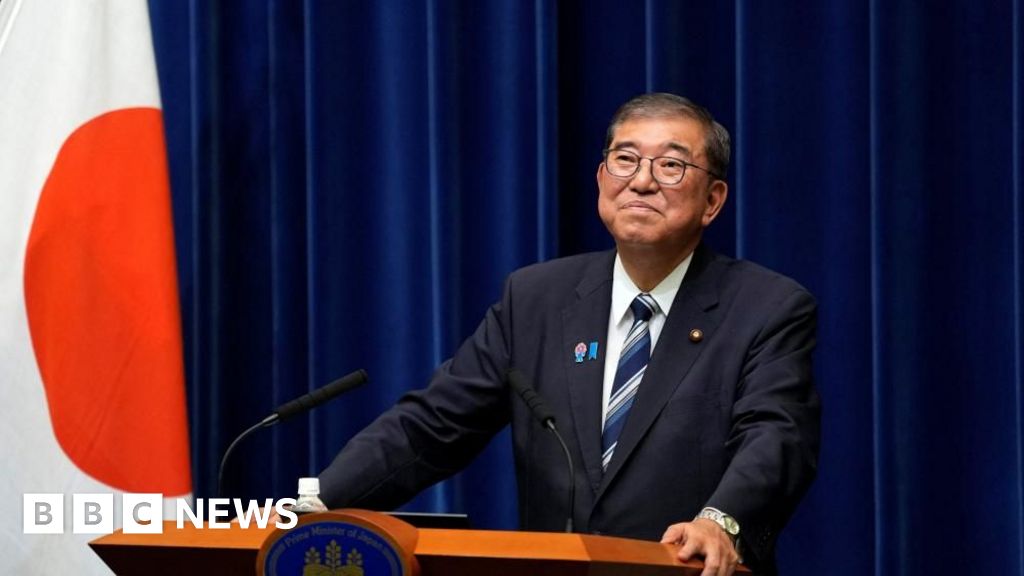
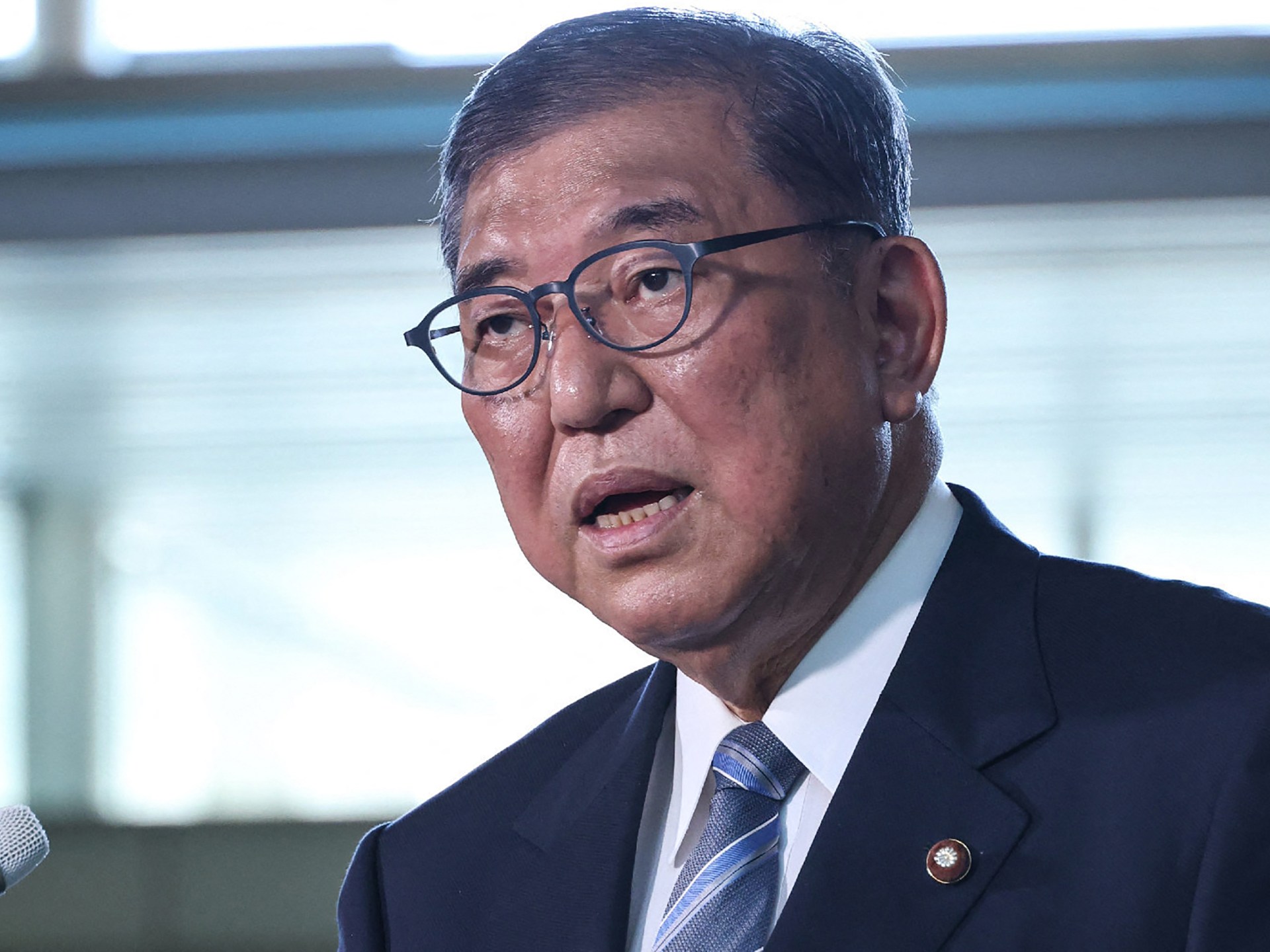
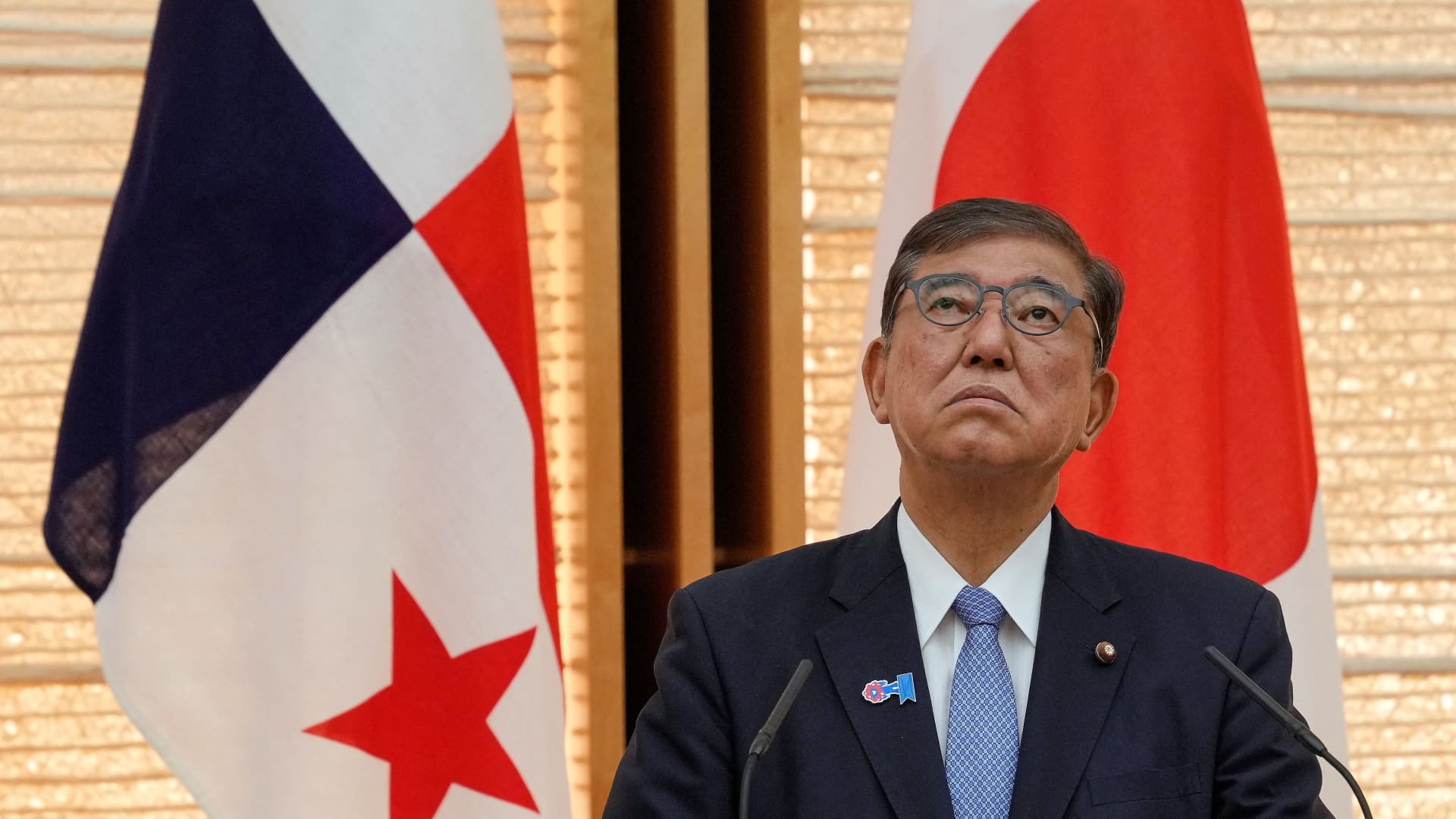
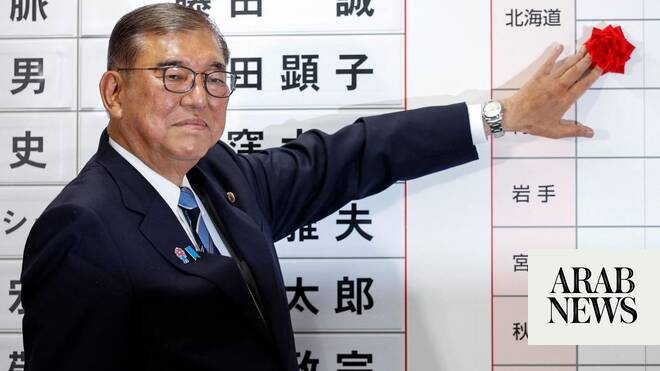
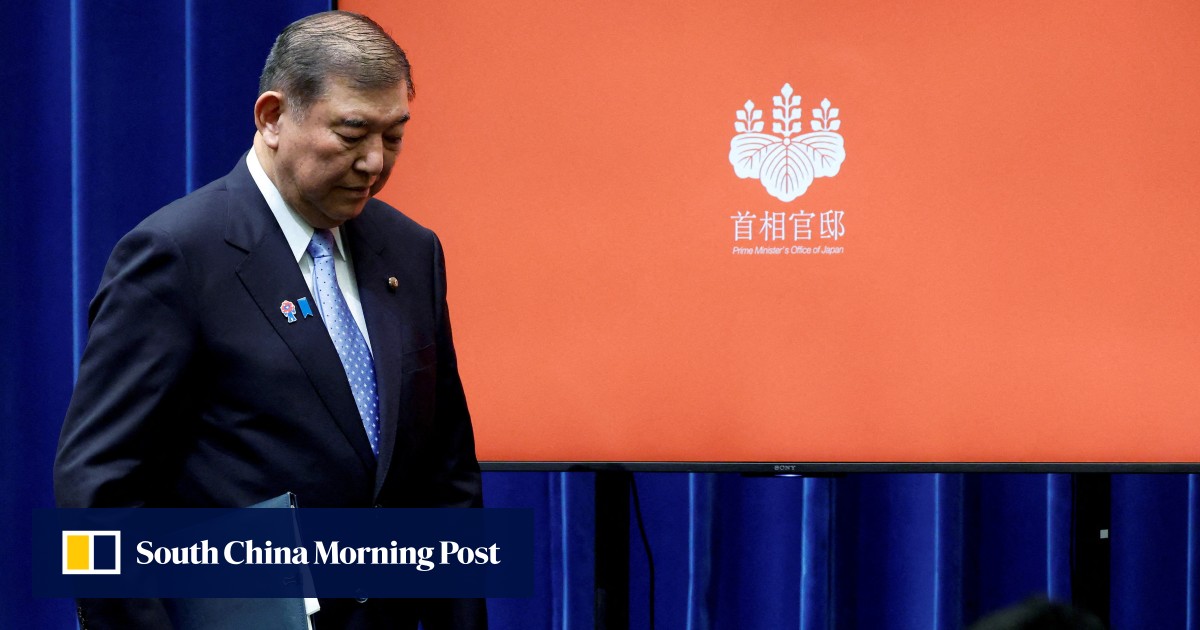
The precise timing of Japanese prime minister Shigeru Ishiba’s resignation announcement – on a Sunday evening – took many by surprise; but the countdown to his departure arguably began just weeks after he took office.
Having won the presidency of the Liberal Democratic party (LDP) – a formidable political force that has governed Japan for much of the past seven decades – Ishiba called a snap election in search of a public mandate after a major funding scandal, and to silence his opponents on the right of the party.
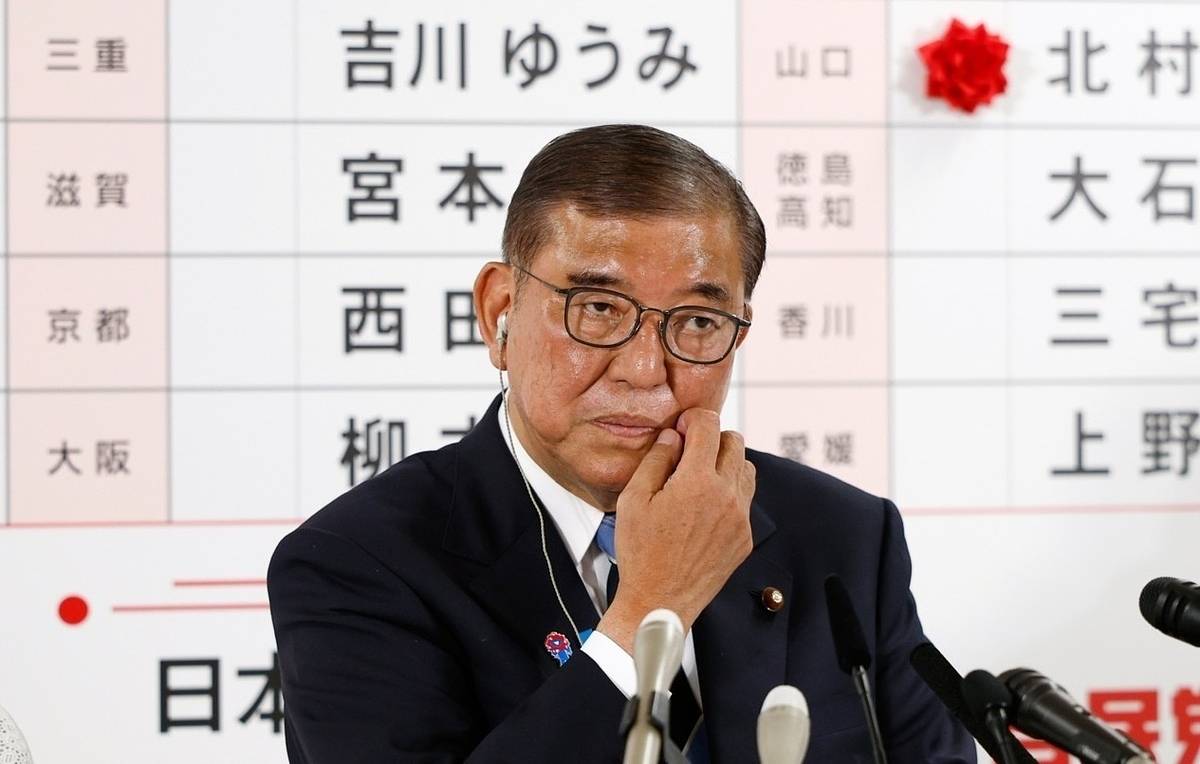
The gamble was a disaster for Ishiba, who had coveted the top job for much of his career, and a red flag for the once-impregnable LDP, then trying to haul its way out of the same “money politics” mire that came back to haunt it this weekend.
The LDP and its junior coalition partner, Komeito, lost their majority in the lower house, forcing the already embattled Ishiba to lead a minority government.