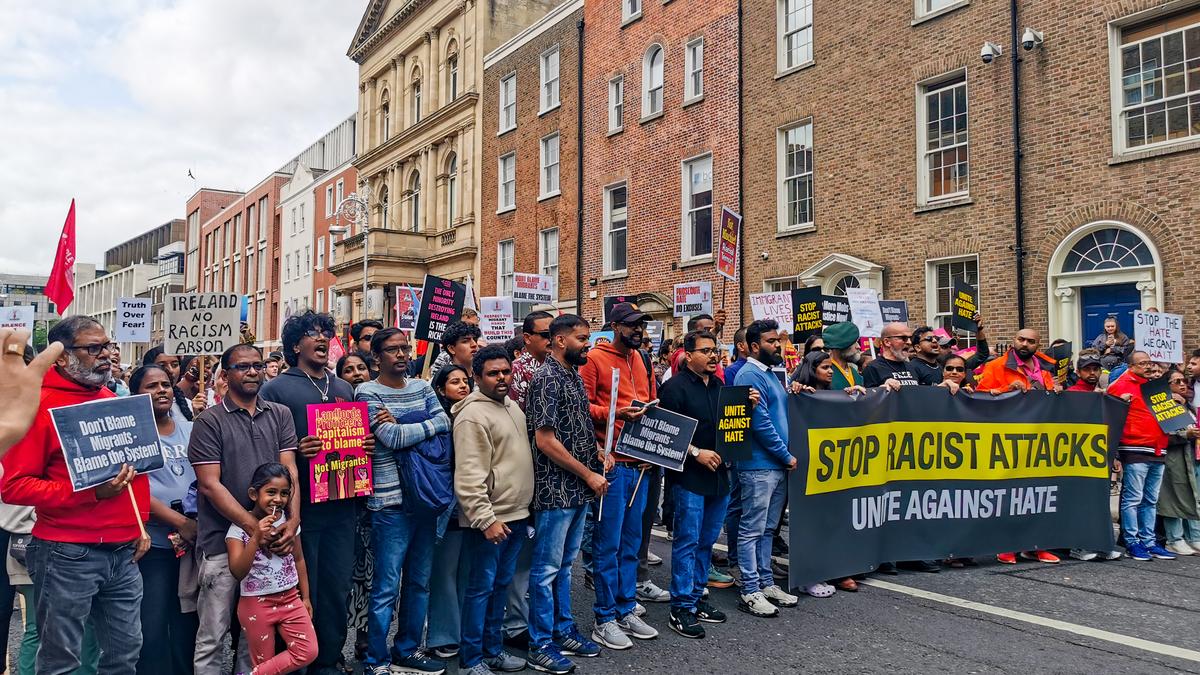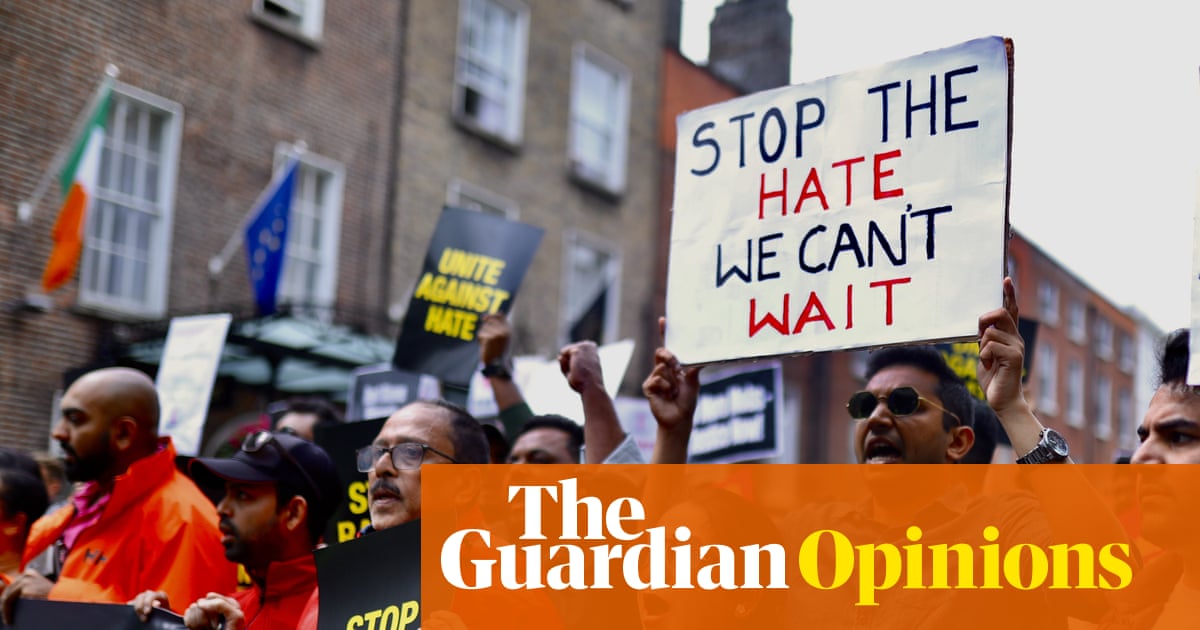
People from the Indian community, and others, are facing violence that was once unthinkable. We must not give in to the racists
I
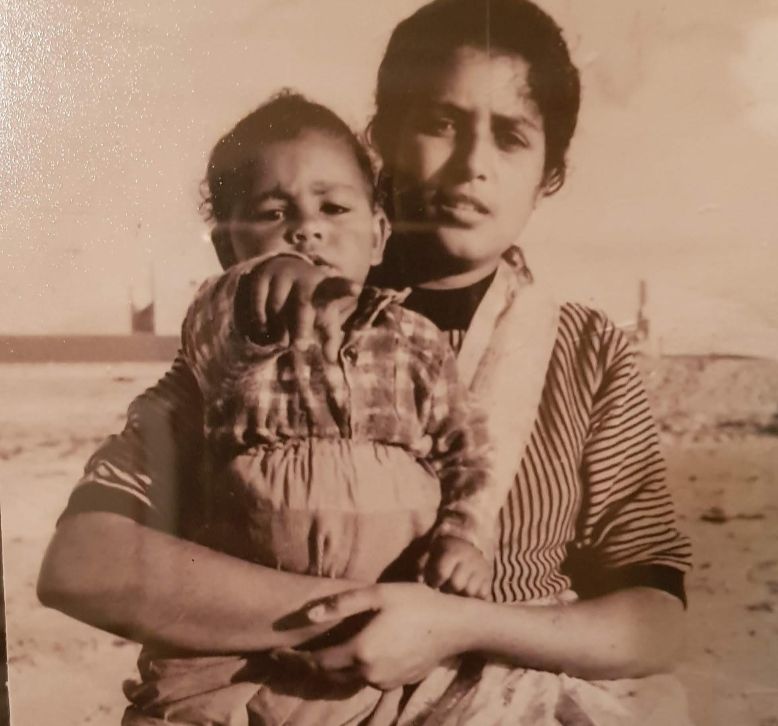
grew up twice. The first time in India, where I was born, and the second time in Ireland. One nation birthed me, the other swaddled my very soul. I was 24 years old when I arrived in Ireland in 1986, one of a handful of “aliens” in Sligo town. The only Irish people I had known until then were nuns, formidable women all, who ran many convent schools in India. I obviously didn’t impress them as I was deemed unmarriageable because of my consistently untidy needlework – at the age of 10. But I held no grudges, leaving India a little over a decade later, fortified by a wonderful education.
Ireland in the 1980s shocked me in more ways than one. Yes, the 40 shades of green, the 21 types of rain, the 32 words for field and the 100,000 welcomes – they were all quite real. But also palpable was a society still stifled by religion. Married people had no right to divorce and there was limited access to contraception if you were unmarried. Abortion wasn’t just illegal, it was banned by the constitution.
Sex, drugs and rock’n’roll was what we were expecting from the west, instead we found Ireland’s young women dancing in circles around their handbags: the local Sligo lads had mostly gone abroad for work. Through the economic recessions of the 1980s, we watched as businesses collapsed, shops were boarded up, families floundered and people, especially young men, fled in droves, emigrating to the far corners of the world in search of jobs and opportunity.