Toronto film festival: The multi-hyphenate’s directorial debut has noble intentions in its timely class commentary but his brand of humour makes for an awkward fit
T
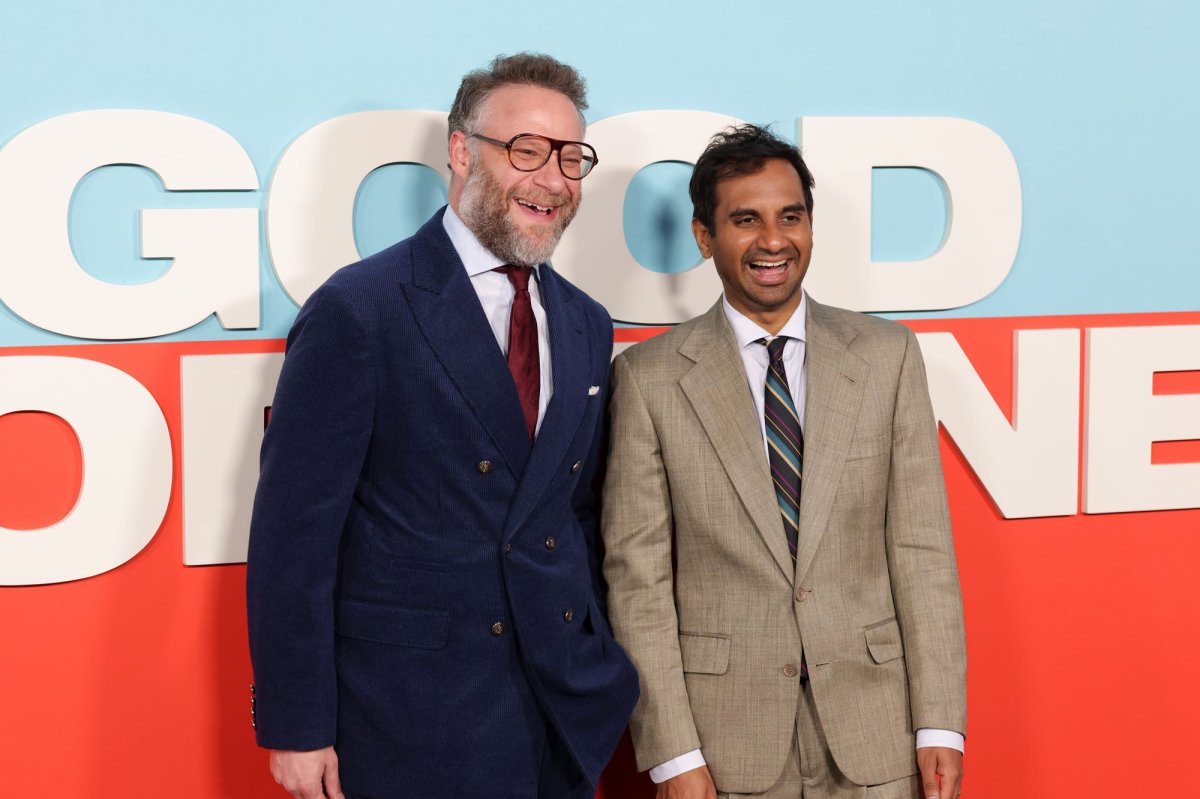
he absence of big-screen comedies, once an almost weekly occurrence, has become such a widely complained-about issue that the rare novelty of one actually being made has turned into a marketing tool. Last month’s remake of The Naked Gun employed a campaign that directly addressed this problem, with an ad that played like a PSA about such a lack and why supporting one was of societal importance (the plea only mildly worked, with the film finishing with decent, but not quite decent enough, box office). At the Toronto premiere of Aziz Ansari’s Good Fortune, festival chief Cameron Bailey made reference to the now unusual sensation of laughing with an audience, and the actor-writer-director himself has been impressing upon people his desire to make a theatrical comedy in the billion-dollar wake of Barbie. He believes in its importance so why doesn’t the industry?
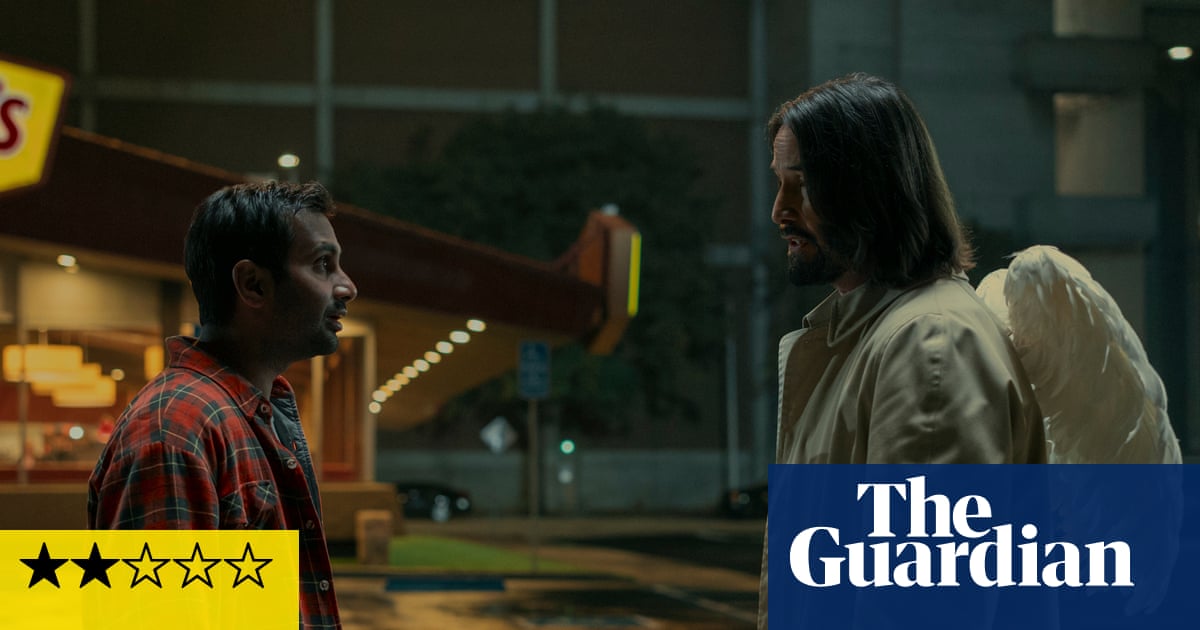
A raft of recent green lights suggests that Hollywood is finally realising the demand is more than misty-eyed nostalgia but there’s still a certain unfair pressure on the few that are coming out to prove the genre’s commercial viability (Adam Sandler’s giant Netflix numbers for Happy Gilmore 2 just served to show where audiences have learned to expect their comedies to be). There are noble intentions to Good Fortune, in ways related to both the resurrection of the big-screen comedy and its of-the-moment through-line about the increasingly untenable class divide in America, but also not a lot of laughs, the idea of its existence more appealing than the experience of watching it.