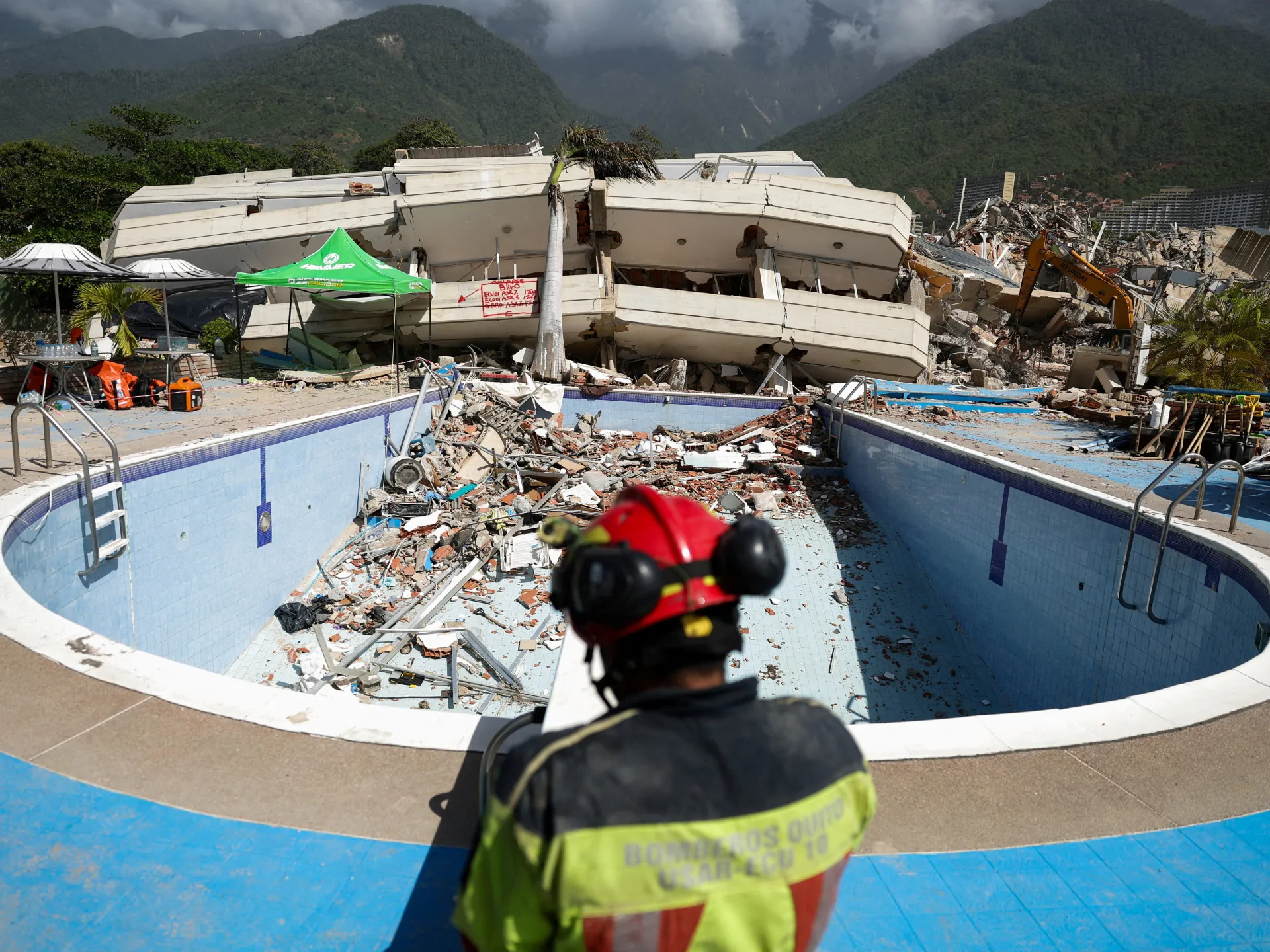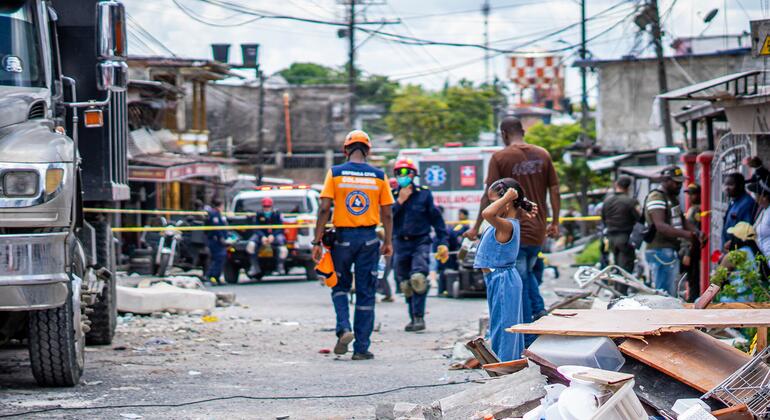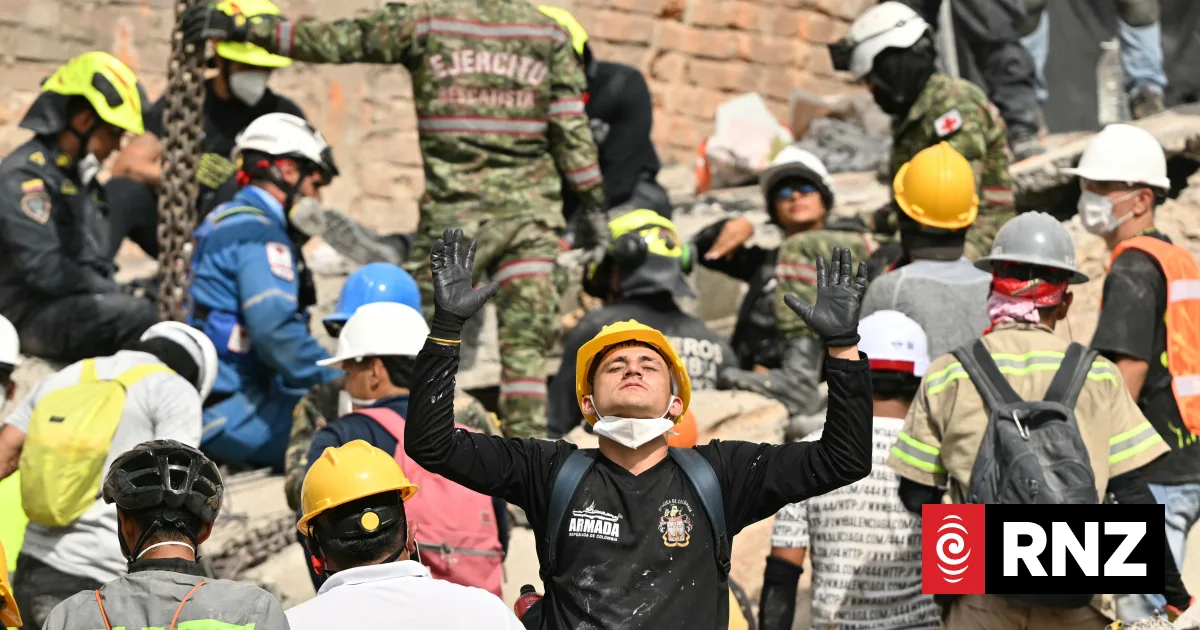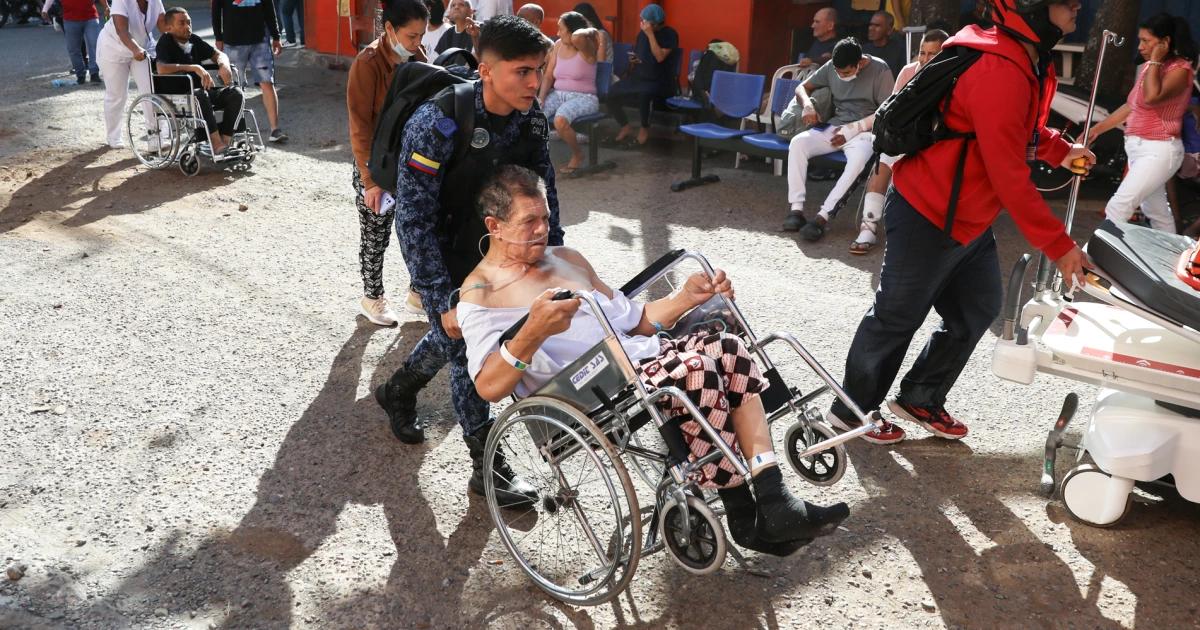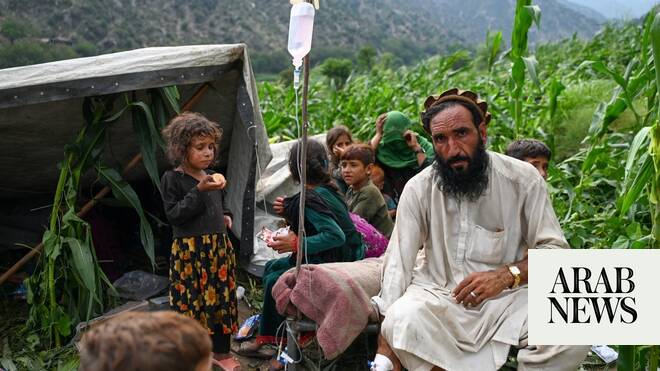
KABUL: As rescue operations continued in eastern Afghanistan on Sunday, a week after a deadly earthquake devastated the region, World Health Organization and doctor accounts show how the withdrawal of foreign aid has undermined the country’s ability to respond to disasters.
At least 2,205 people have been killed and another 3,640 injured by the quake that hit the densely populated rural areas of Kunar and Nangarhar provinces on Aug. 31.
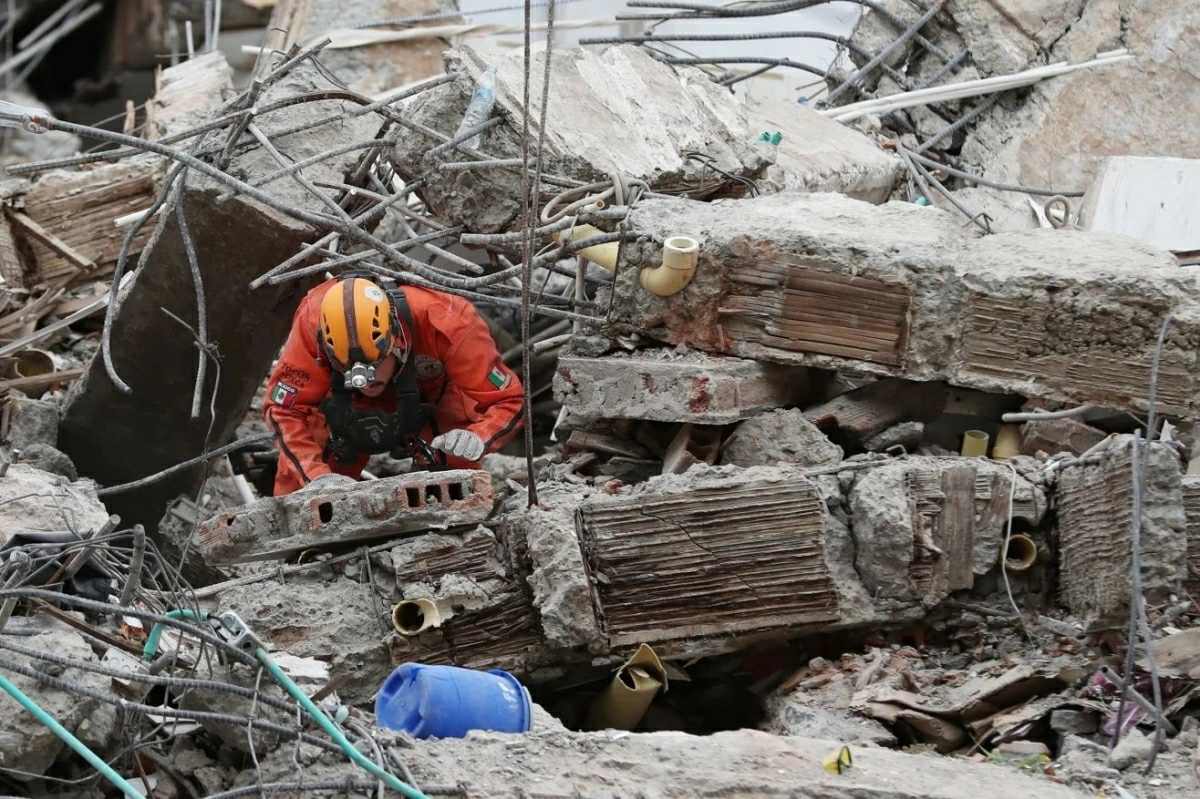
While the Afghan government quickly flew dozens of doctors to support overwhelmed hospitals and sent helicopters to reach the wounded, many mountain villages were cut off by landslides. First responders reported how poorly equipped rescuers had to walk for hours to reach the affected areas and often used basic tools and even their bare hands to pull survivors from the rubble.
The WHO, whose teams are also on the ground, said in its situation report on Saturday evening that timely emergency response and access to higher-level care for critical cases was limited by “severe shortages” of functioning vehicles, fuel and sustained health services.
“Afghanistan’s fragile health system — already strained by prolonged humanitarian crises and widespread poverty — faces chronic shortages of medicines and staff,” the WHO said, citing a gap of $4 million only for its own life-saving interventions, amid a widespread shortage of funding among all UN agencies and other aid groups operating in the country.