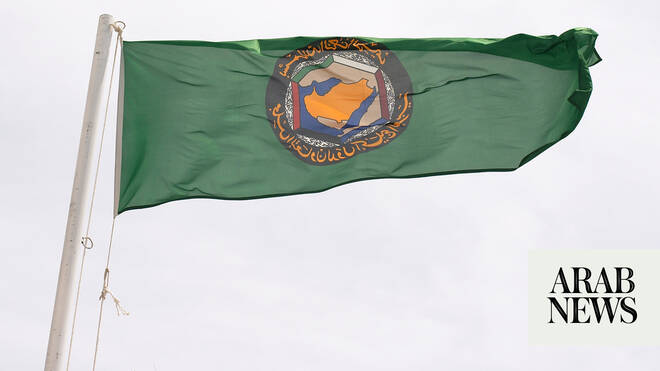
JEDDAH: The Gulf Cooperation Council has solidified its regional leadership in the low-carbon transition, with its Circular Carbon Economy Index rising to 41.5 in 2024 from 37.7 in 2023.
The index, developed by Saudi Arabia’s King Abdullah Petroleum Studies and Research Center, also known as KAPSARC, benchmarks 125 countries on progress toward net zero. GCC states are pursuing the four pillars of the circular carbon economy model — reducing, reusing, recycling, and removing emissions.
The index consists of two main components: in the Performance Index, which measures the extent to which countries utilize emission-mitigation technologies, GCC countries advanced in 2024 to 35.8, up from 29.7 in 2023.
The Gulf countries also made progress in the Enablers Index, which measures readiness for the transition to a low-carbon economy, scoring 47.2 points in 2024, up from 45.6 points in 2023.
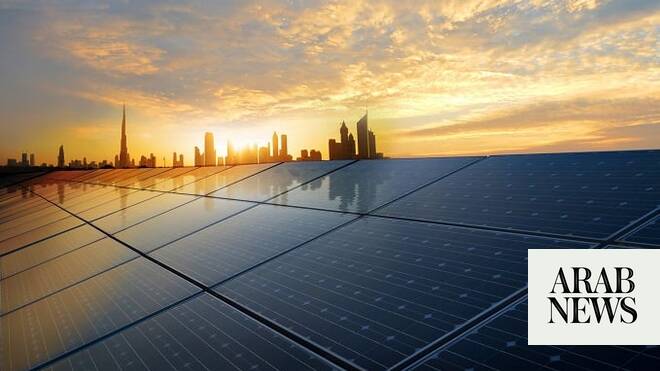
The data also showed that GCC countries have made substantial progress in expanding global renewable energy capacity. The region’s share of installed design capacity for renewable energy plants rose to 0.43 percent of the world total in 2024, up from just 0.03 percent in 2015.