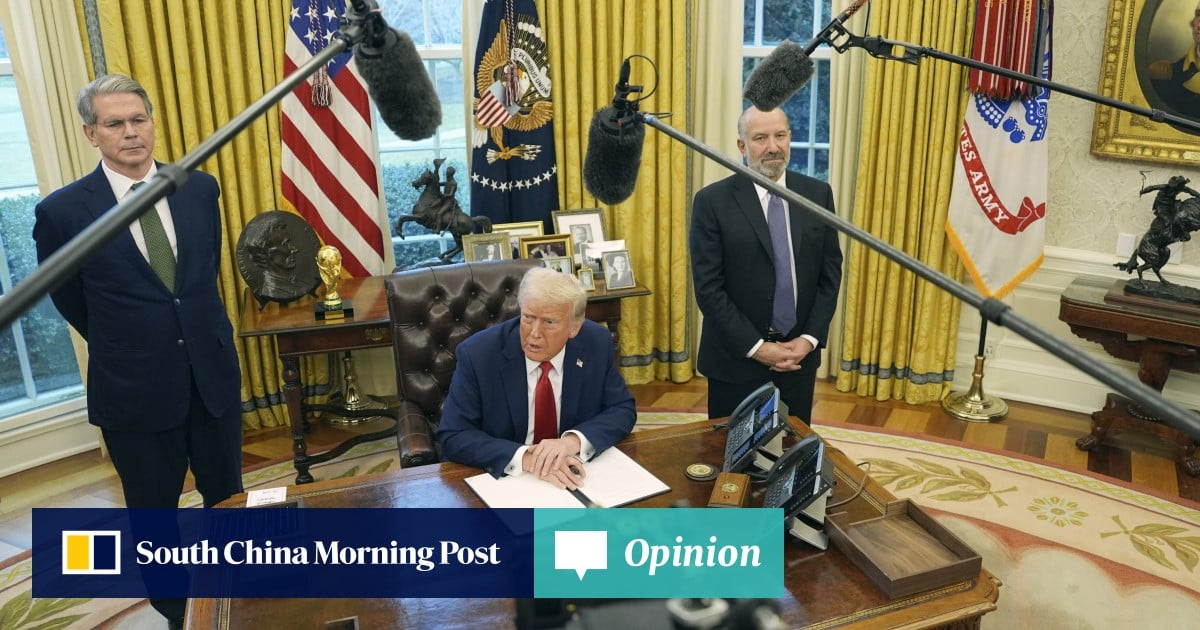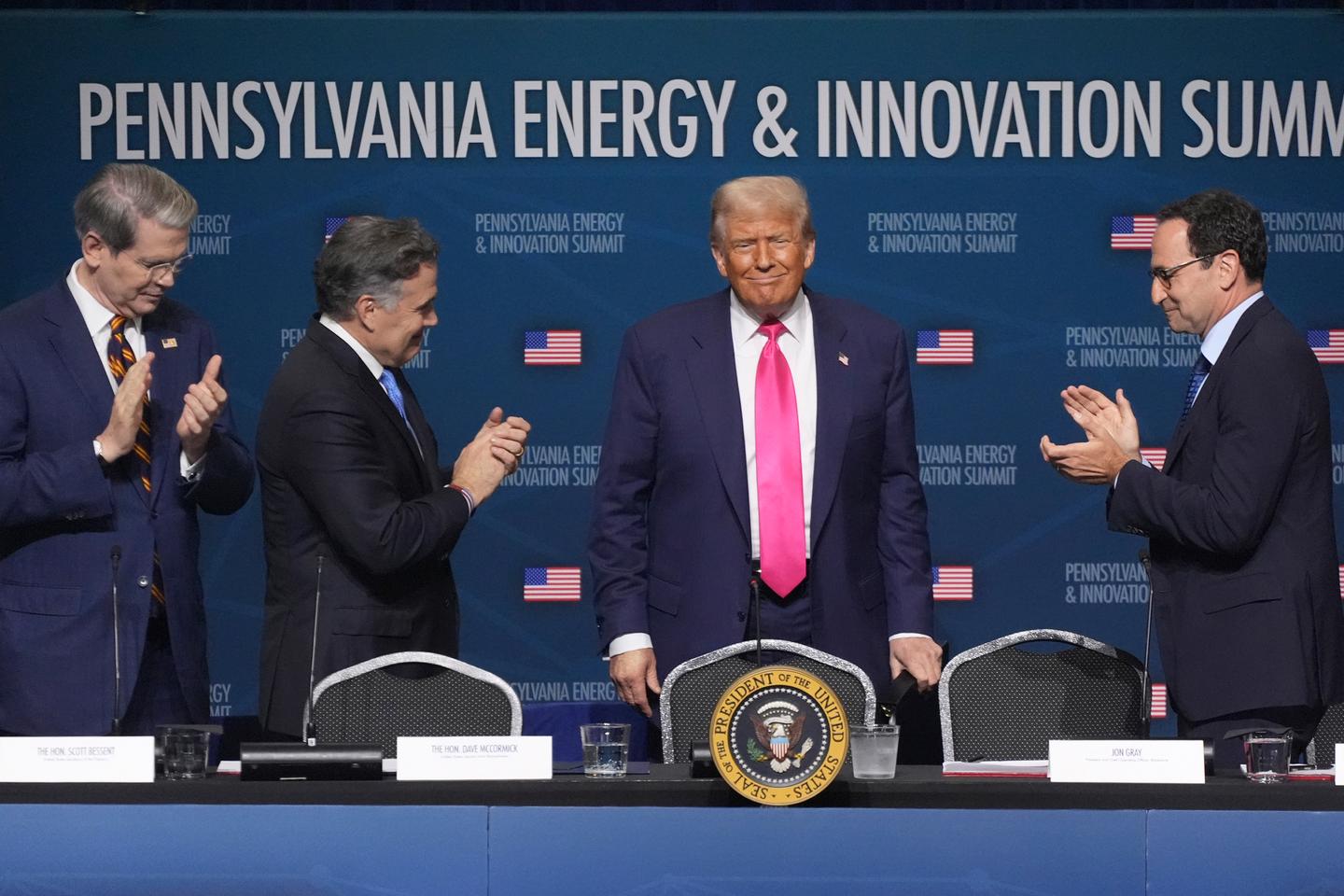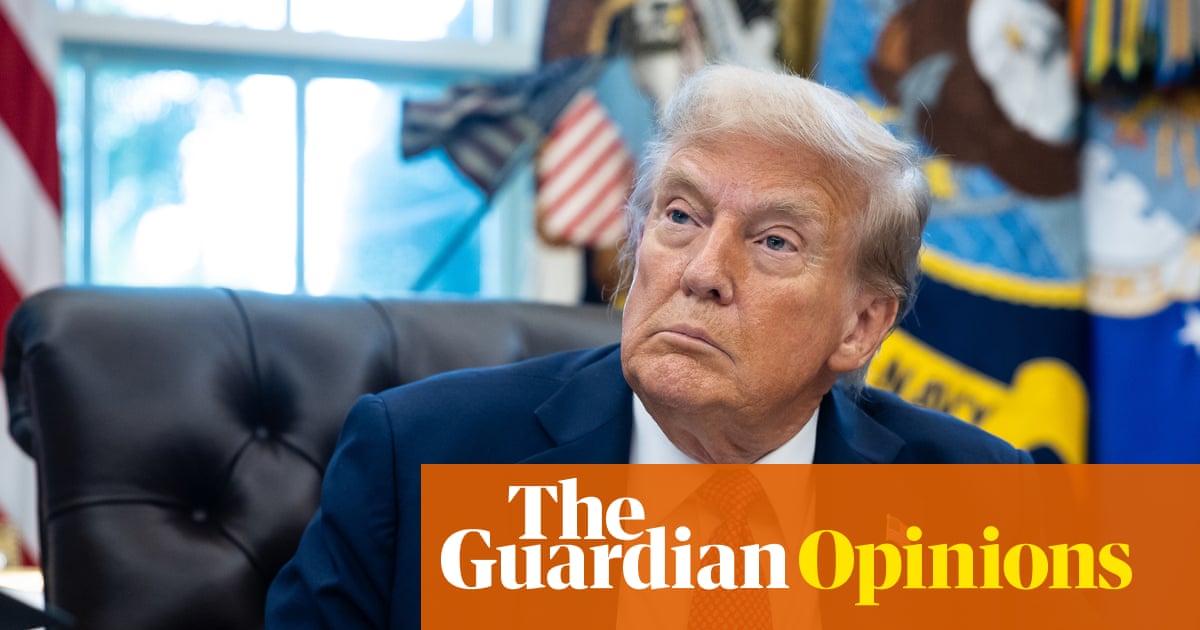
President alters demands on a whim, and although investors are averting eyes for now, risks rise with each chaotic week
onald Trump observed blithely last week that if his cherished tariff regime is struck down by the US supreme court, he may need to “unwind” some of the trade deals struck since he declared “liberation day” in April.
It was a reminder, as if it were needed, that nothing about Trump’s economic policy is set in stone. Not only does the ageing president alter his demands on a whim, but it is unclear to what extent he has the power to make them stick.
Yet even if the “reciprocal” tariffs first announced on 2 April are rolled back, they are only one aspect of a much wider assault on the last vestiges of what was once known as the “Washington consensus”.
To name just a few of Trump’s recent interventions, he has taken a 10% government stake in the US tech company Intel, demanded 15% of the revenue of Nvidia’s chip sales to China and suggested the chief executive of Goldman Sachs should go.