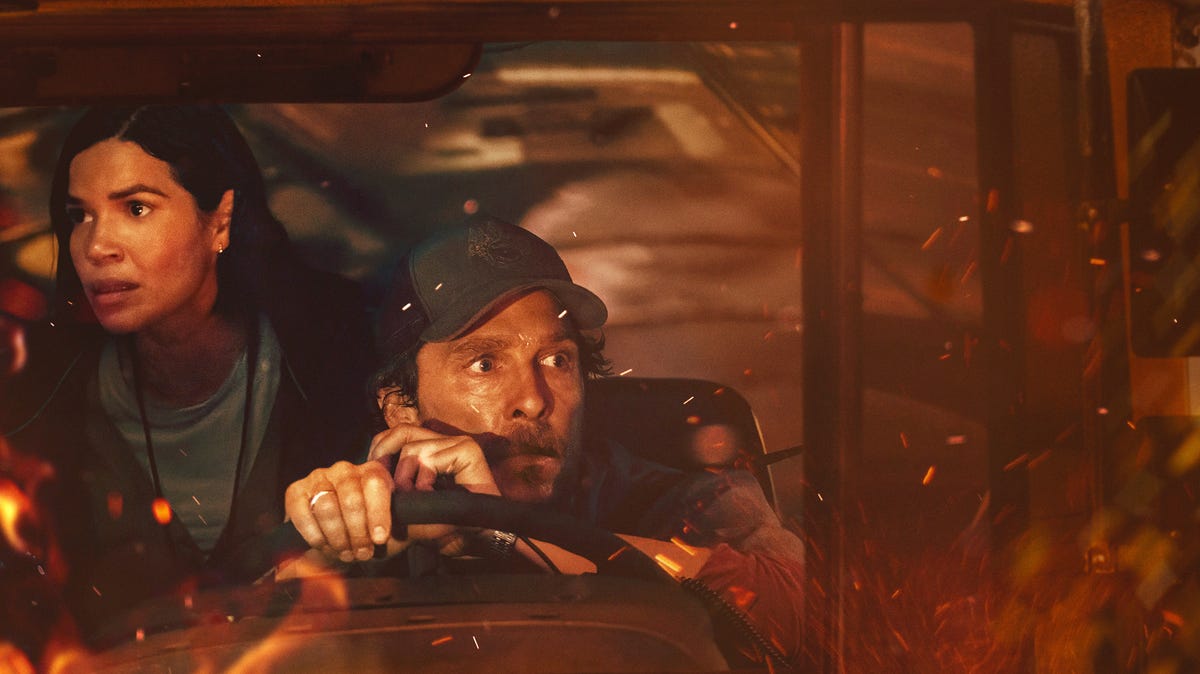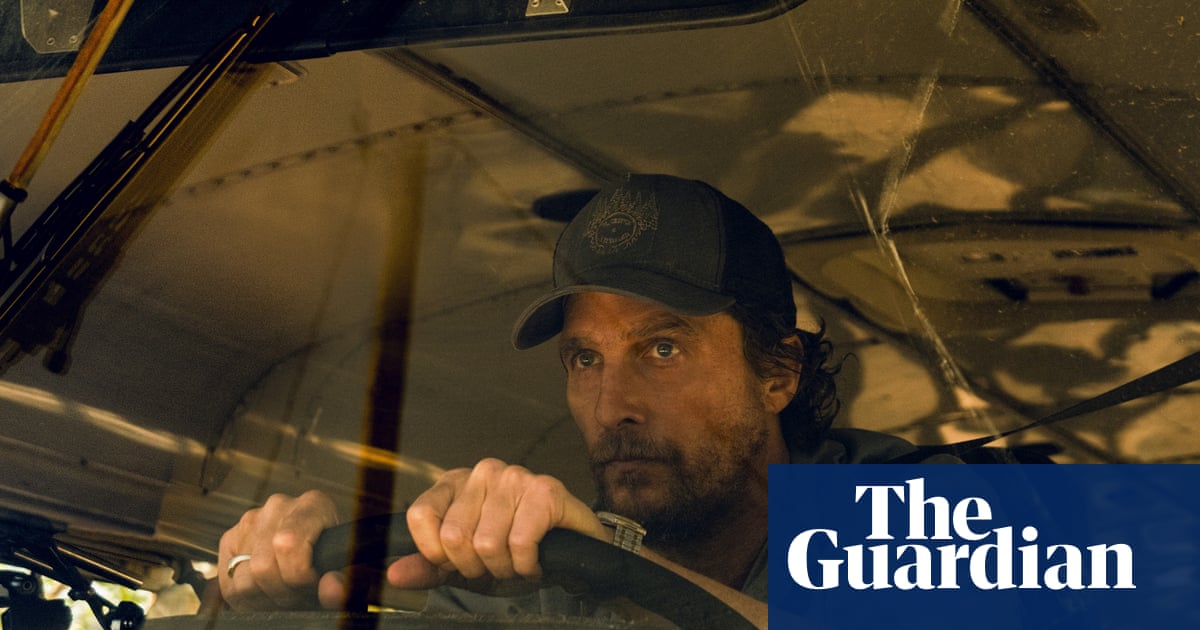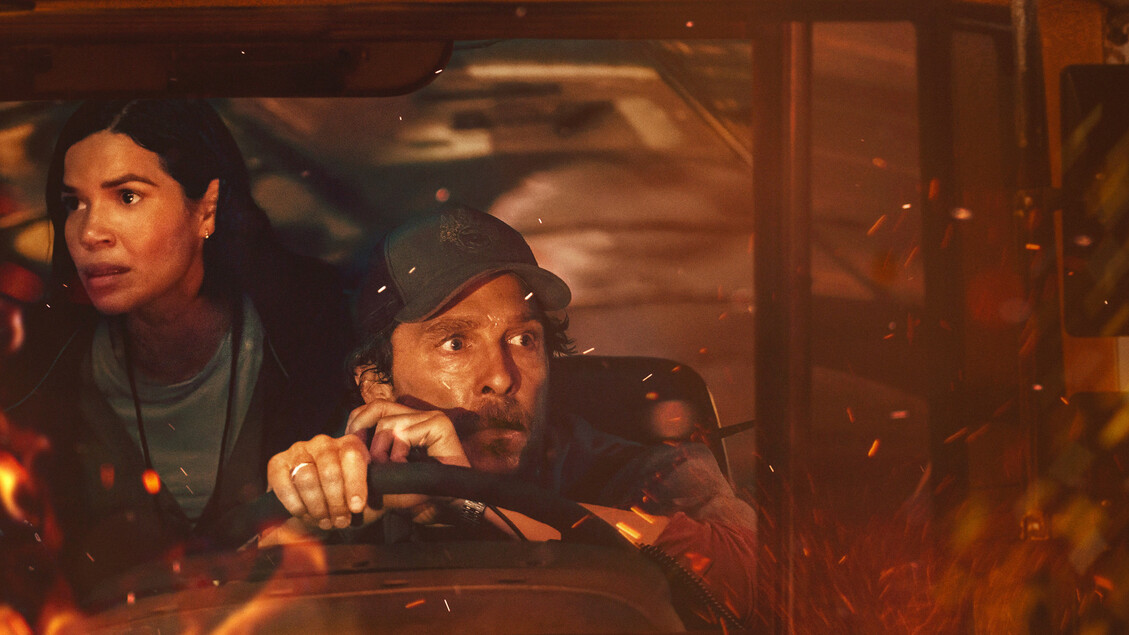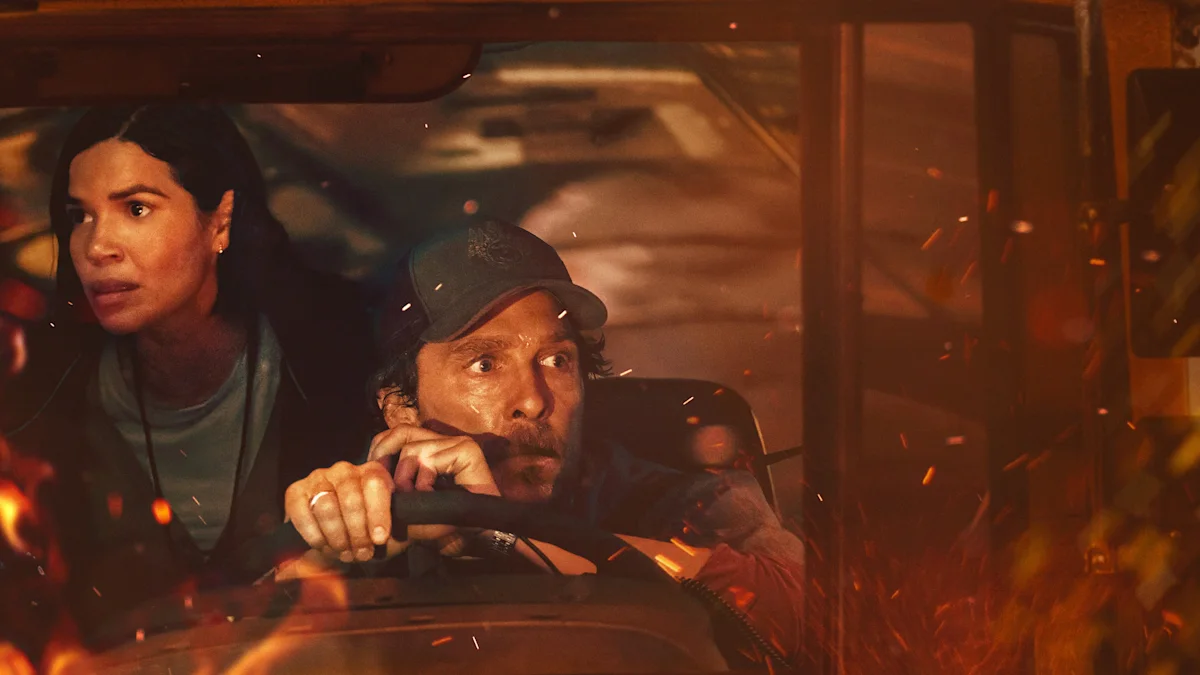
Toronto film festival: the director retells the worst wildfire in California’s history with expected technical prowess but he’s hampered by a soapy script
E
ven before the wildfire has started to rage in fact-based docudrama The Lost Bus, Paul Greengrass has us on edge. We’re inside a schoolbus for the morning drop-off and we’re reminded of the dangers already faced on the day-to-day, young children without seatbelts being driven around the precarious rolling roads of the California hills, the director cranking up every little sound of a vehicle we’re told is in delayed need of a maintenance check. The world is dangerous enough.
That nervy tension soon gets considerably ramped up and then rarely lets up for the next two-plus hours, an exhausting, assaultive experience aiming to both take us back to the horrors of 2018’s historically destructive Camp fire and to show us what Californians have been facing ever since and will bleakly continue to in the future. It’s ruthlessly efficient in that regard, Greengrass employing every technical skill in his well-used toolbox, returning to the subgenre of uncomfortably immersive history he’s previously explored in United 93, Captain Phillips and 22 July. It at times has the feeling of a particularly unpleasant theme park ride, one that many viewers might quickly want to get off (do you want to watch a bus of terrified young children scream and cough for two hours?). Before the world premiere at this year’s Toronto film festival, Greengrass told the audience to enjoy it but then added that “enjoy” might not be the right choice of word.