These wildfires tend to burn in more remote areas and grow larger faster, posing a higher risk to public safety and health
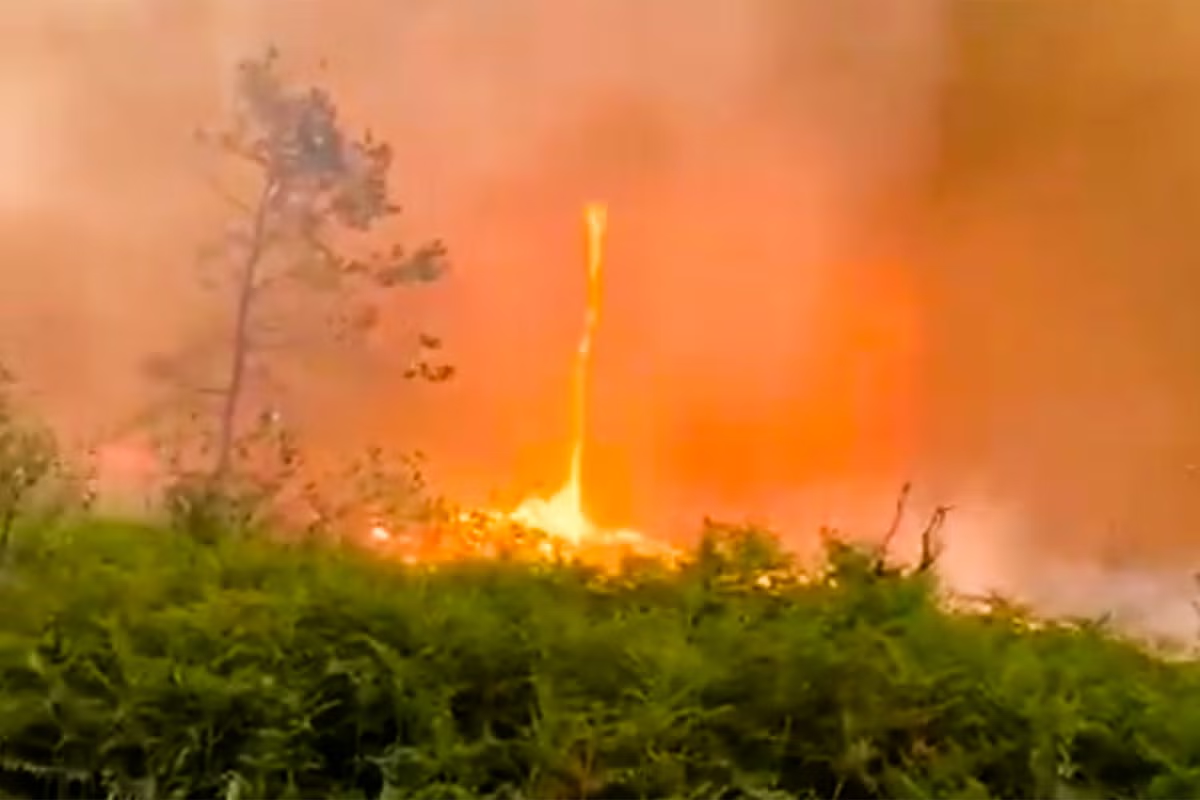
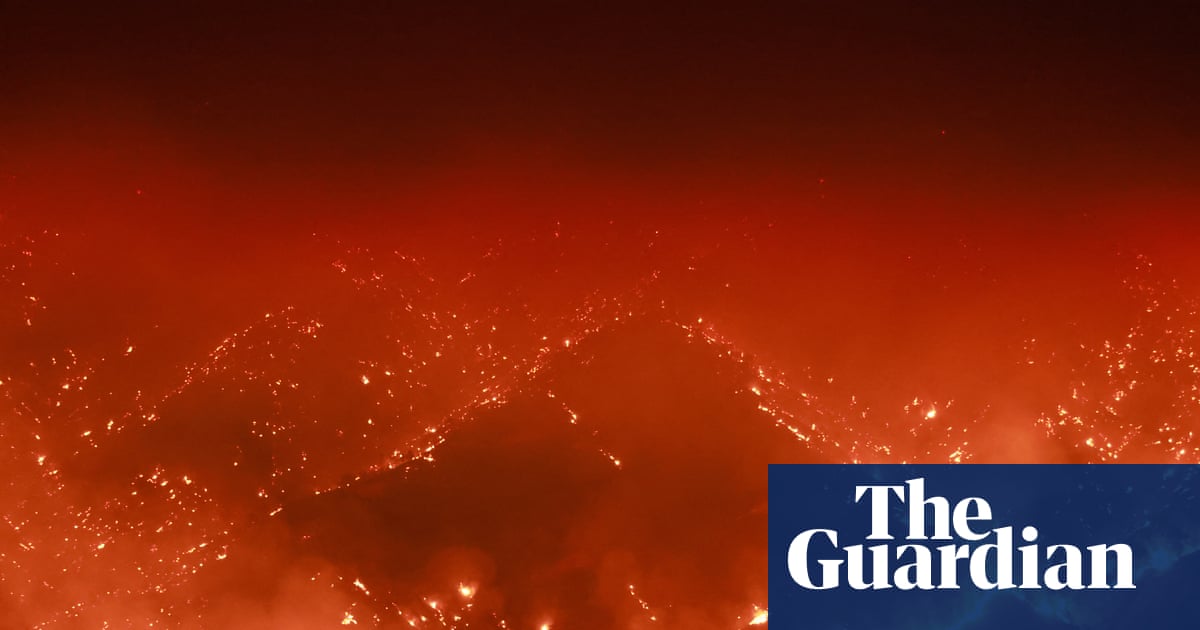
The climate crisis will continue making lightning-sparked wildfires more frequent for decades to come, which could produce cascading effects and worsen public safety and public health, experts and new research suggest.
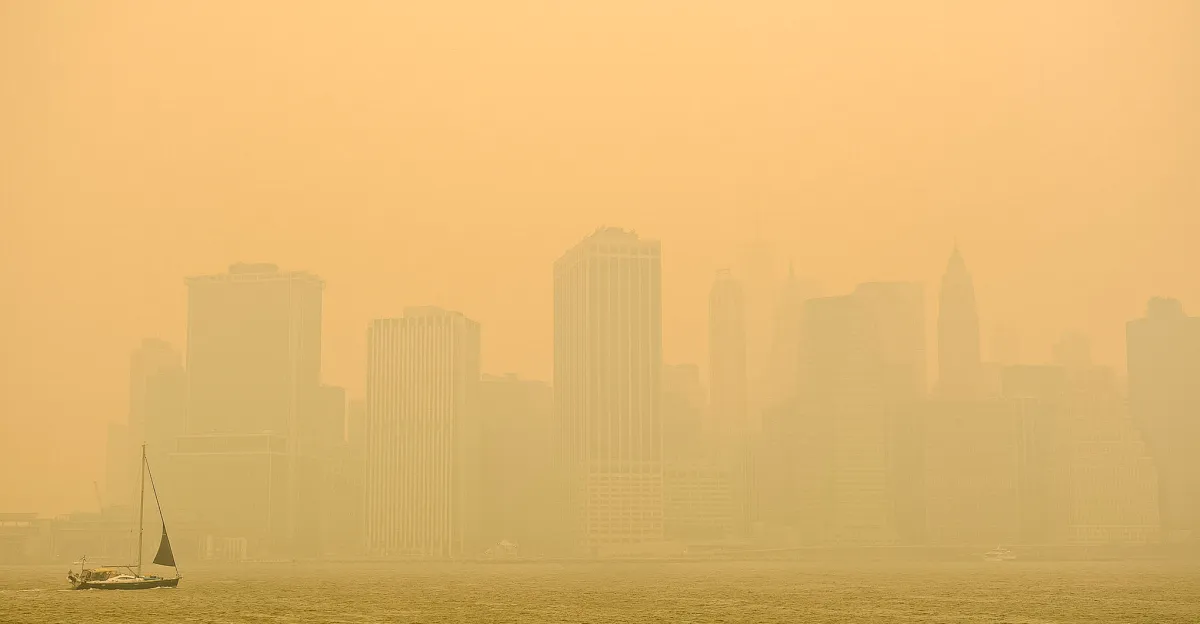
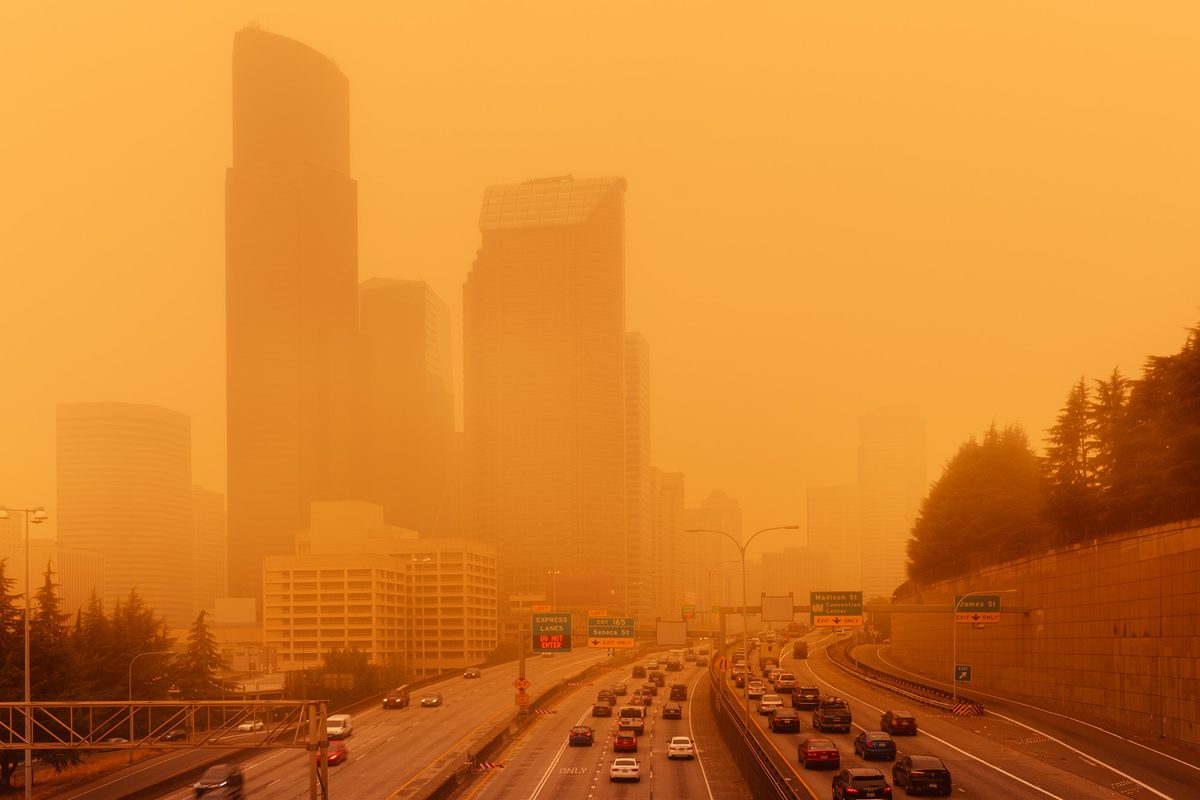
Lightning-caused fires tend to burn in more remote areas and therefore usually grow into larger fires than human-caused fires. That means a trend toward more lightning-caused fires is also probably making wildfires more deadly by producing more wildfire smoke and helping to drive a surge in air quality issues from coast to coast, especially over the past several years.
Over the last 40 years, thunderstorms and other weather conditions favoring lightning have been happening more often across many parts of the US west, including western Washington, western Oregon, the California Central valley, and higher elevations throughout the Rocky Mountains.
This trend isn’t just in the US. This year’s fire season has been the worst in European history, driven in part by lightning-caused wildfires in Spain. In Canada, huge fires this year have burned more than 200% of normal forest area, the vast majority of which were caused by lightning.