CNBC’s Investing in Space newsletter offers a view into the business of space exploration and privatization, delivered straight to your inbox. Sign up to receive future editions.
If launching a rocket’s a prime feast, opening the doors to the vehicle’s launch pad is a healthy appetizer.
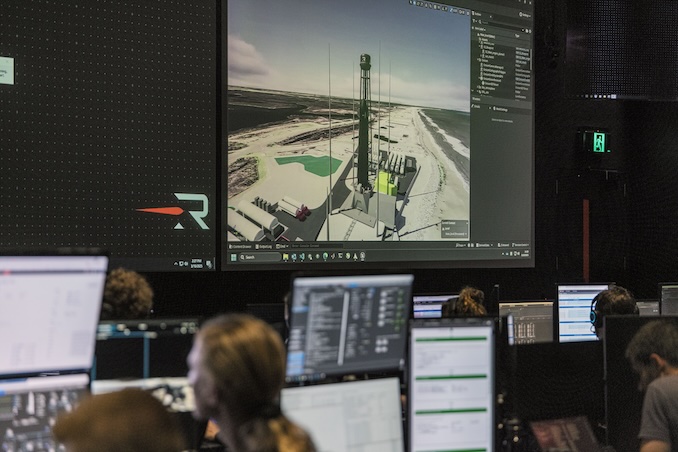
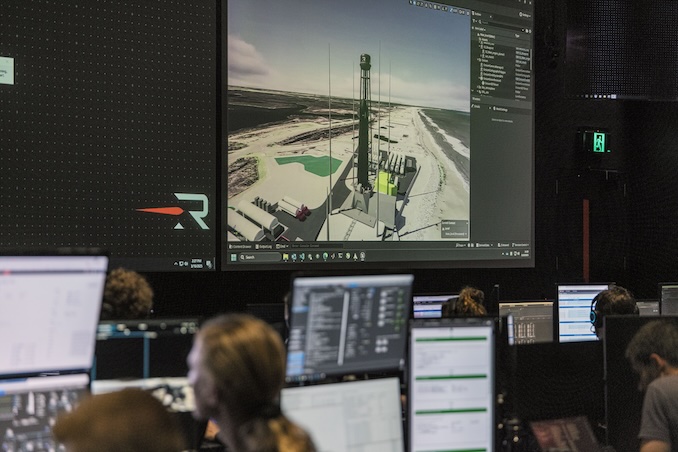
Last week, Rocket Lab introduced Launch Complex 3 — the intended take-off pad of its Neutron rocket — located within the Virginia Spaceport Authority’s Mid-Atlantic Regional Spaceport. Neutron itself will arrive a little later to this party, with a first flight targeted this year – but the premiere of the launch site marks a major step for Rocket Lab specifically and for a space industry that’s overall hungry for further launch vehicles.
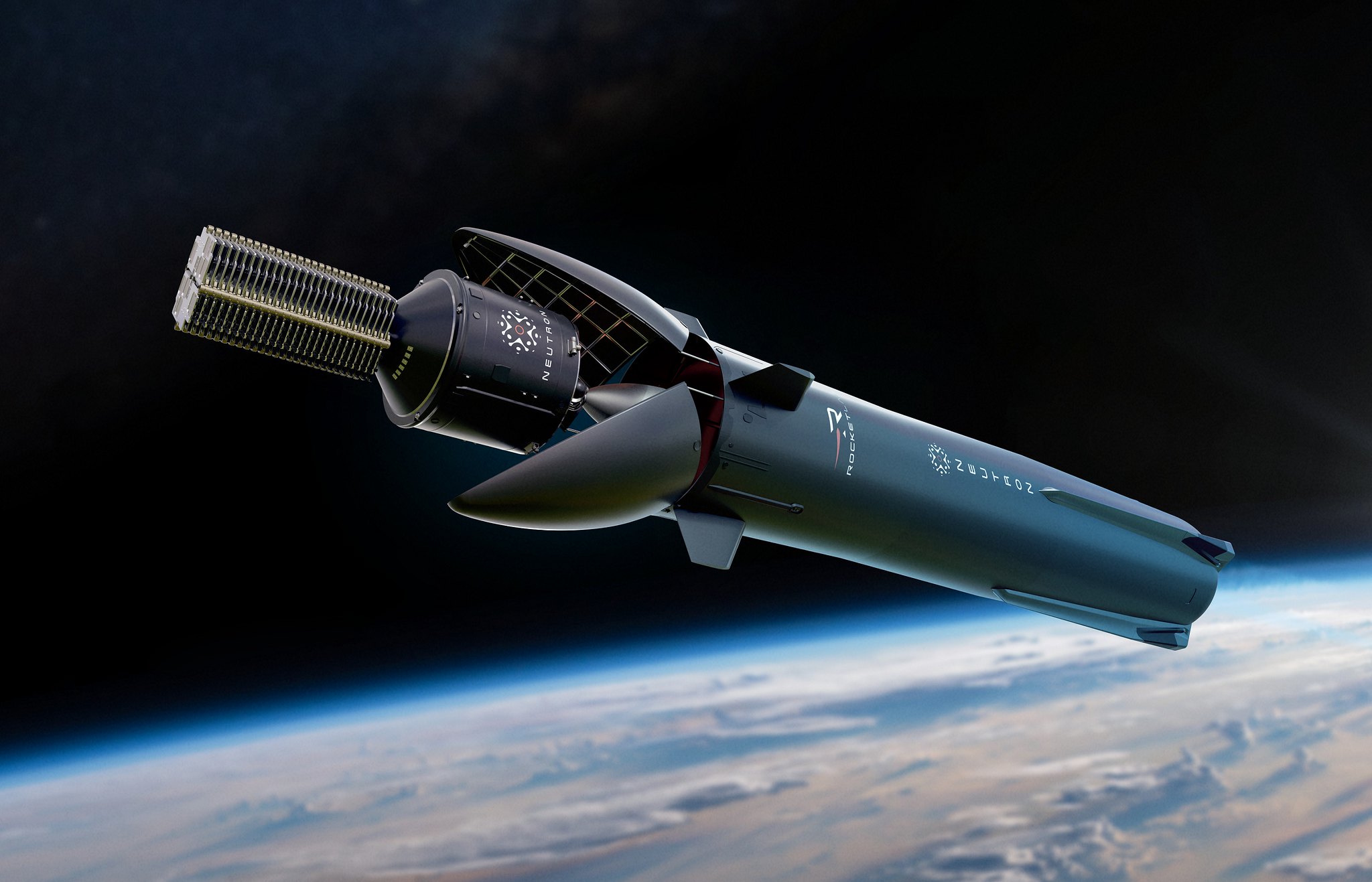
The company already produces the small-lift Electron launch vehicle, which was performing its first commercial flights by late 2018. The 141-foot-tall Neutron is an upgrade in scale: a medium-lift reusable rocket that burns liquid methane and oxygen designed to carry payloads up to 13,000 kilograms to low Earth orbit (LEO) and 1,500 kilograms for trips to Mars or Venus.
The market scale for global carrier rockets — which are designed to launch a payload on a particular route or orbit — is seen set to expand at a compound annual growth rate (CAGR) of 9% between this year and 2034. Forgive the pun, but launch demand’s only risen meteorically, with payloads ranging from space exploration and research equipment to humans and defense and telecommunication satellites for fast-evolving networks.