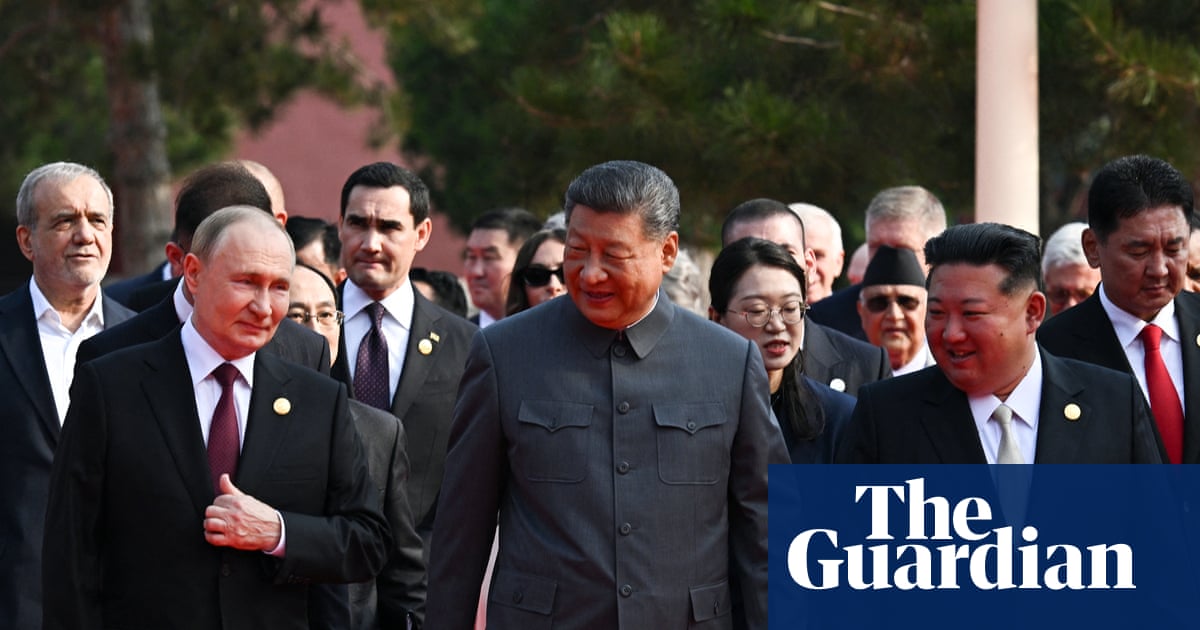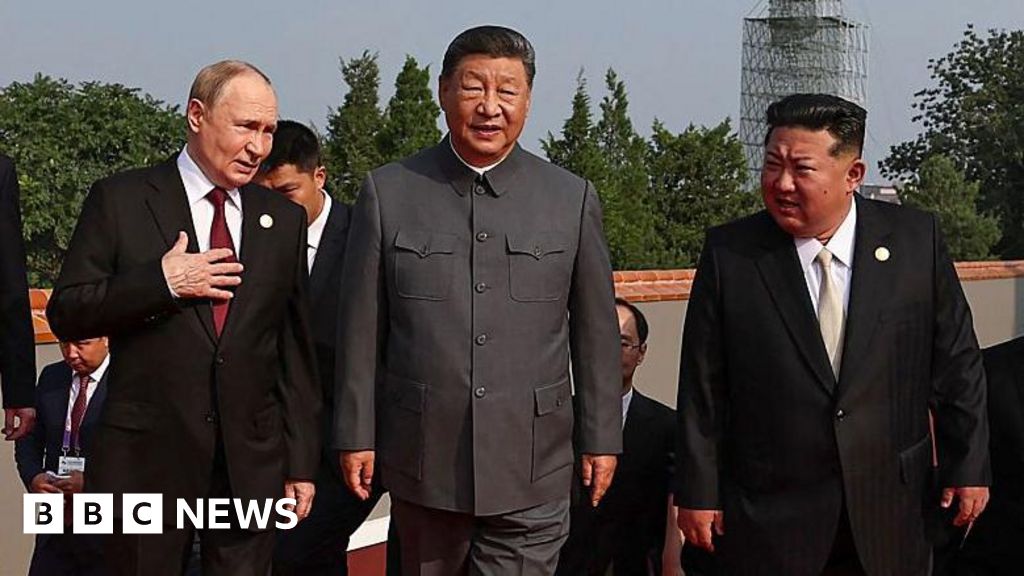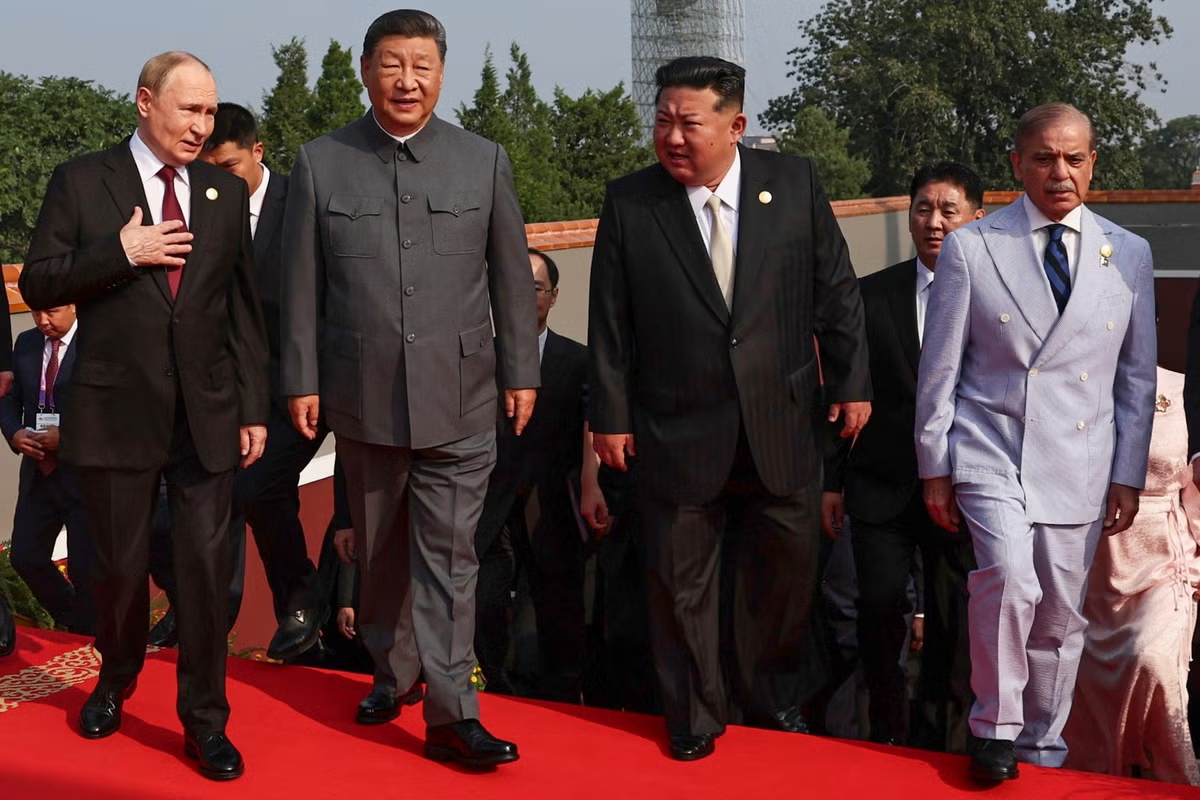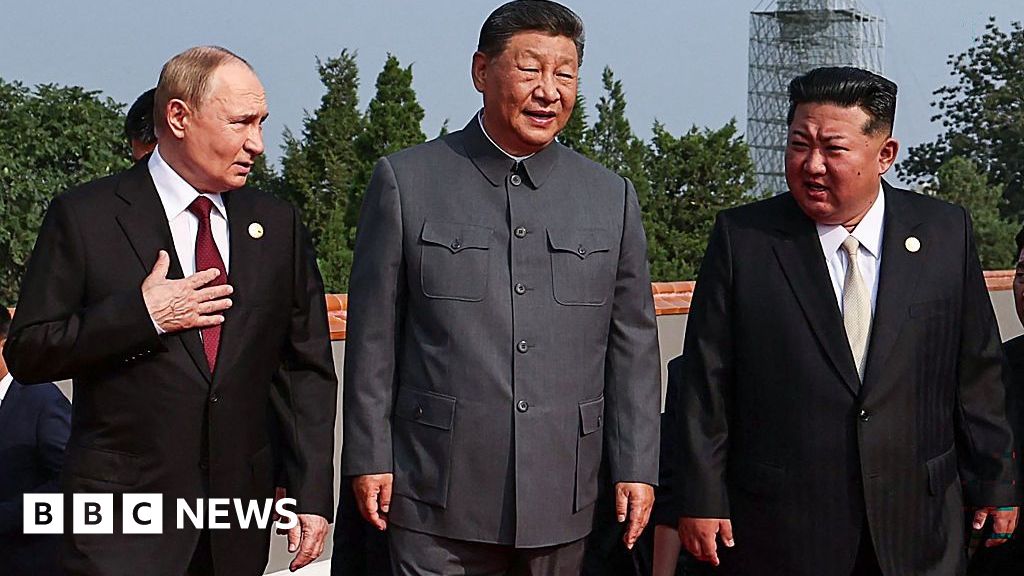
Images of the autocrats at Wednesday’s military parade reflected the shifting global order. But Donald Trump is hastening Beijing’s rise
O
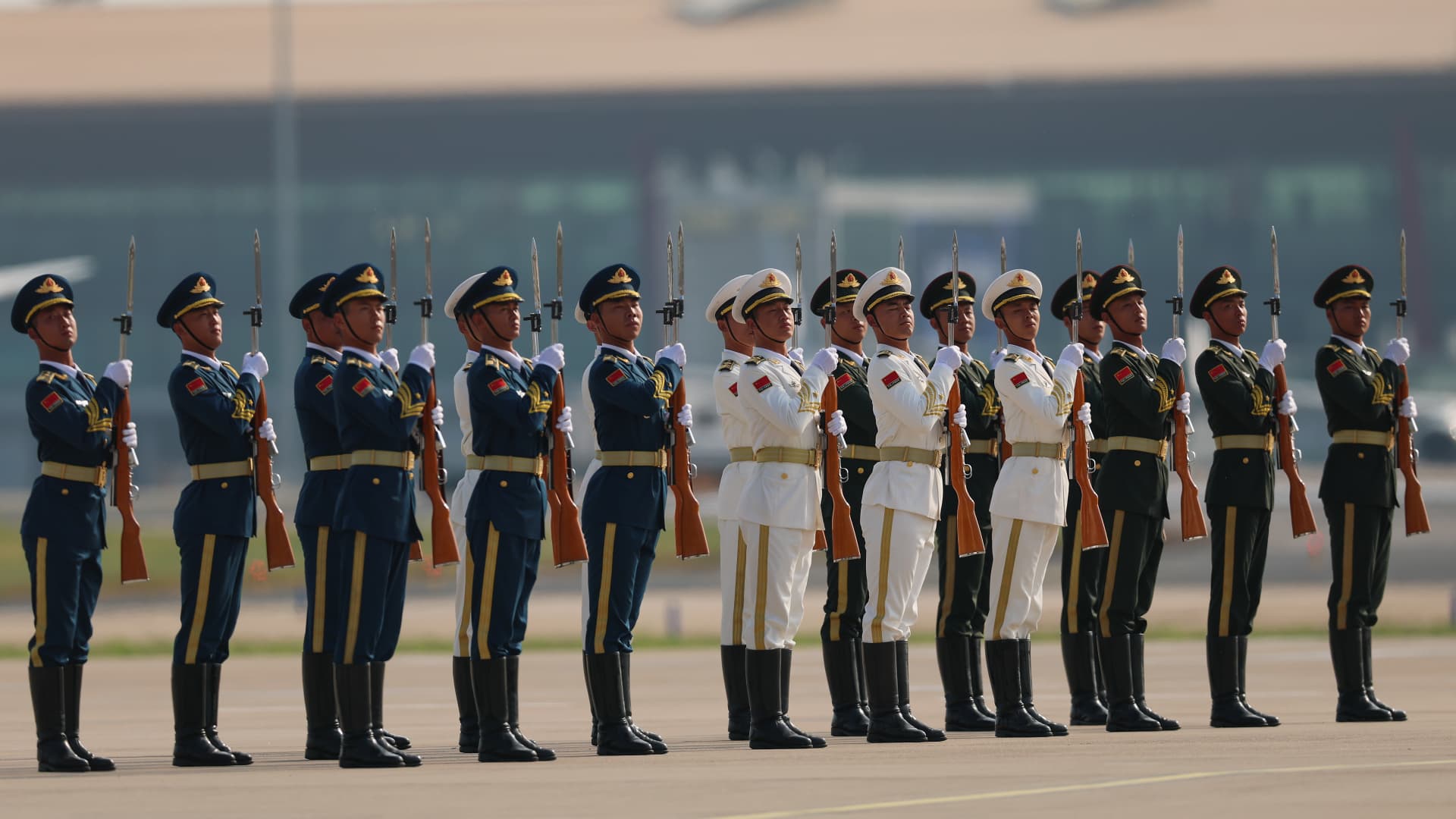
n Wednesday morning, Beijingers living near Tiananmen Square were issued with cold breakfast packs and ordered to refrain from cooking, lest smoke from stoves cloud the skies above the mammoth military parade. China’s Communist party goes to extraordinary lengths to ensure that nothing obscures the message of such performances – in this case, that Xi Jinping is reshaping the global order and that China is, in his words, “unstoppable”.
The parade marked 80 years since the end of the second world war, positioning China as the critical force in victory in the east then, and a force to be similarly reckoned with today as “humanity is again faced with the choice of peace or war, dialogue or confrontation, win-win or zero-sum”, in Mr Xi’s words. China is “not afraid of bullies”.
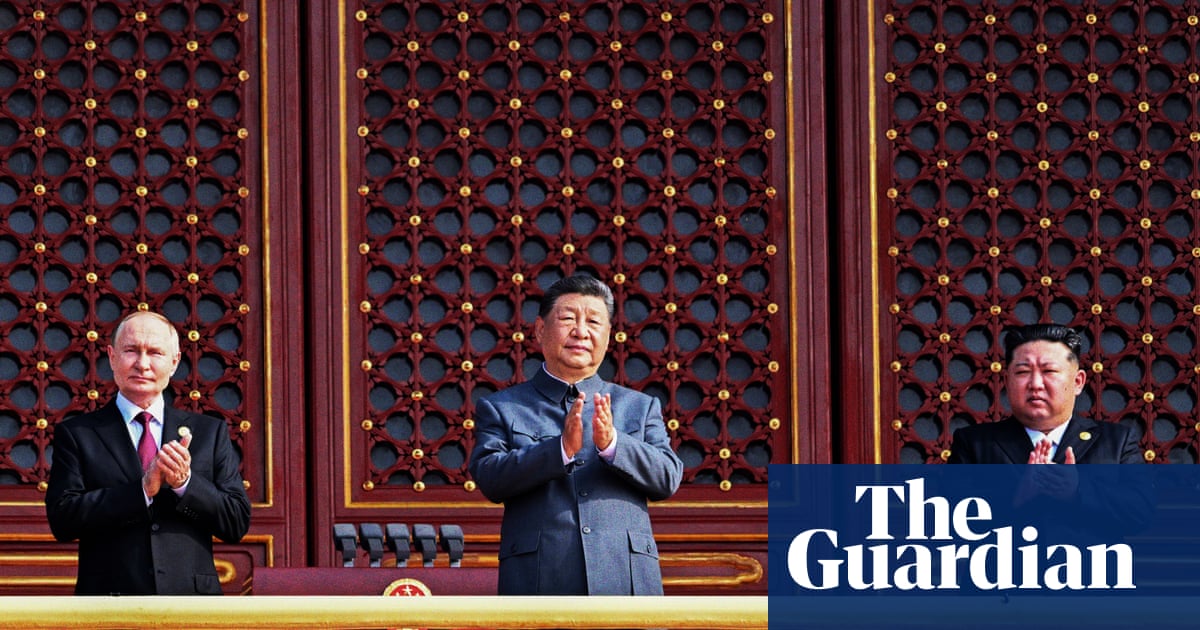
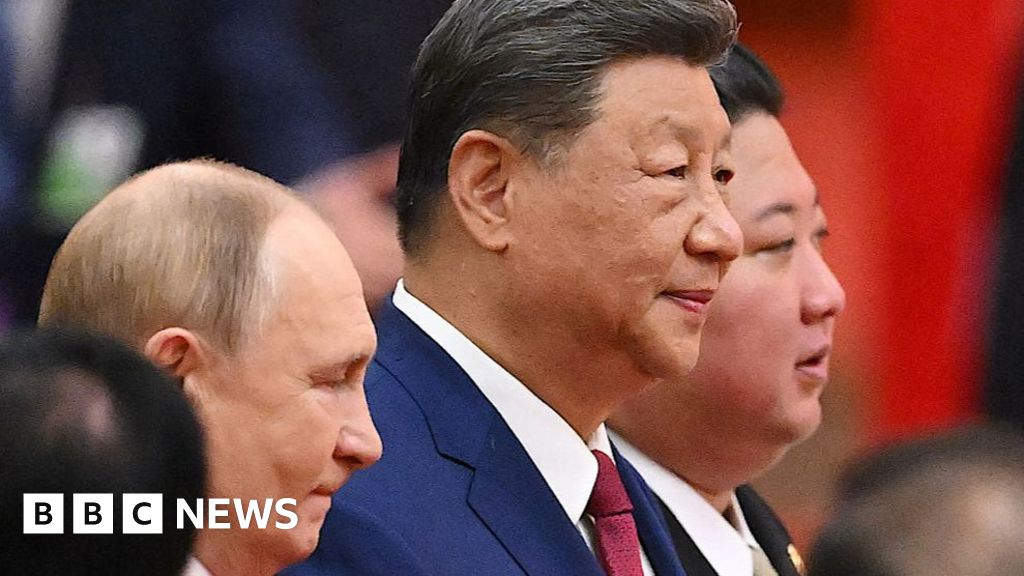
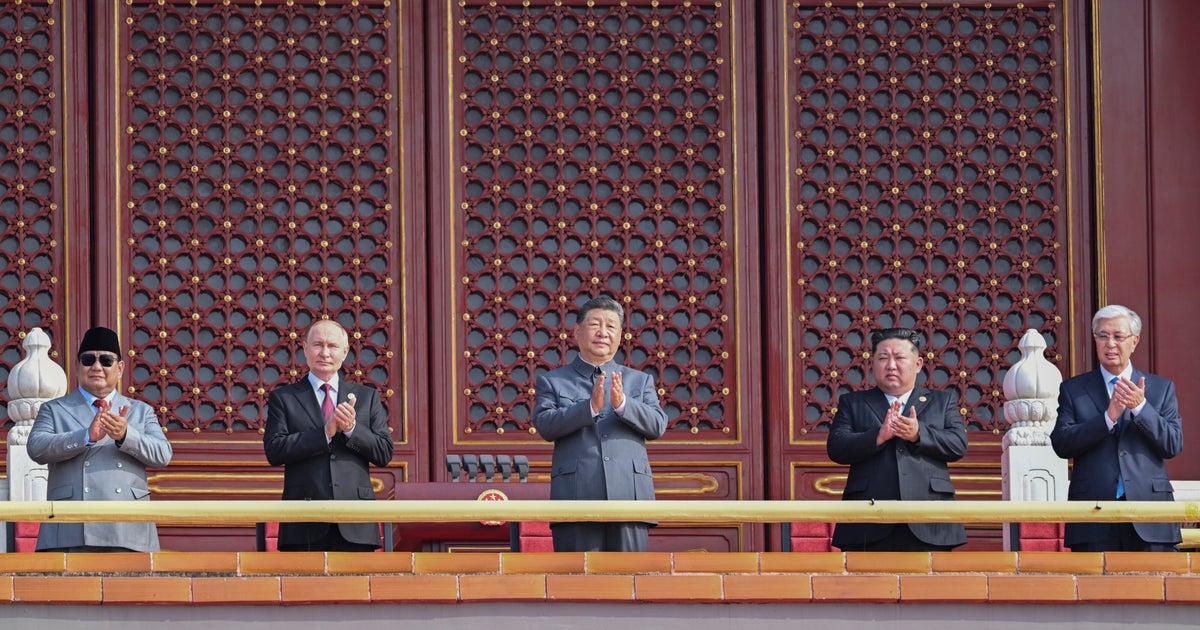
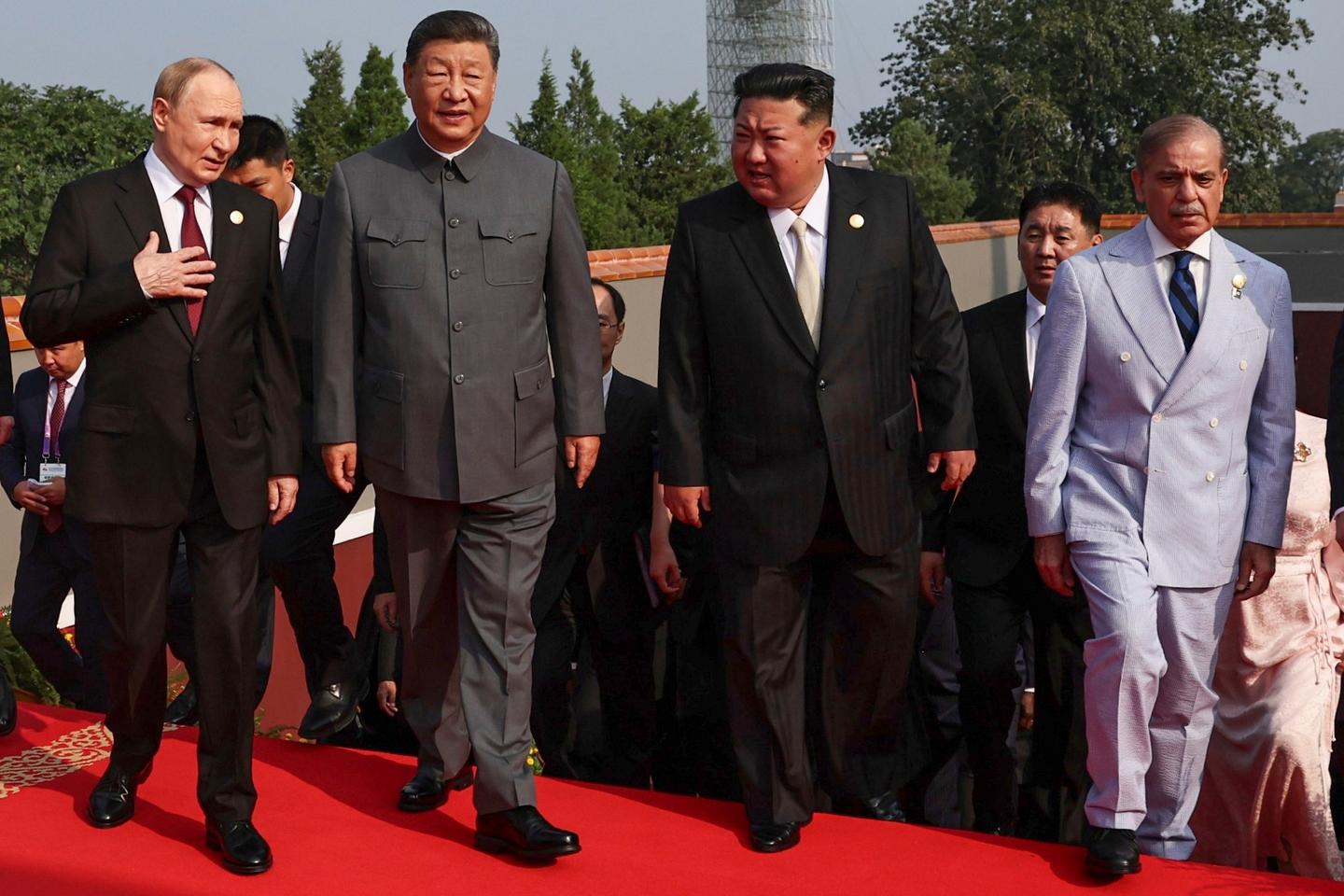
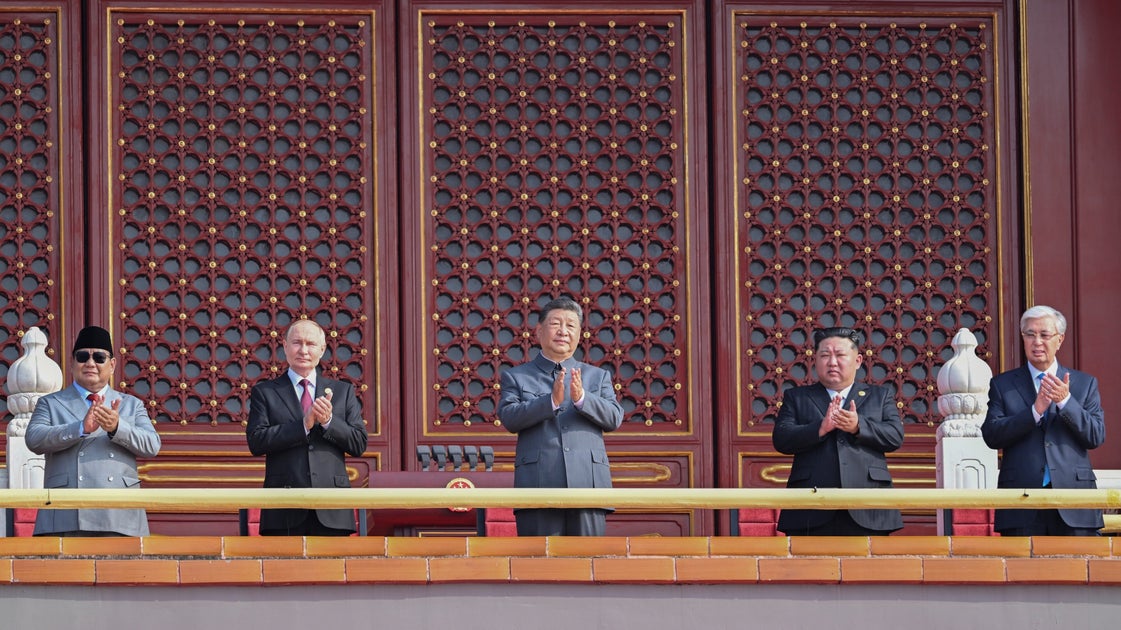
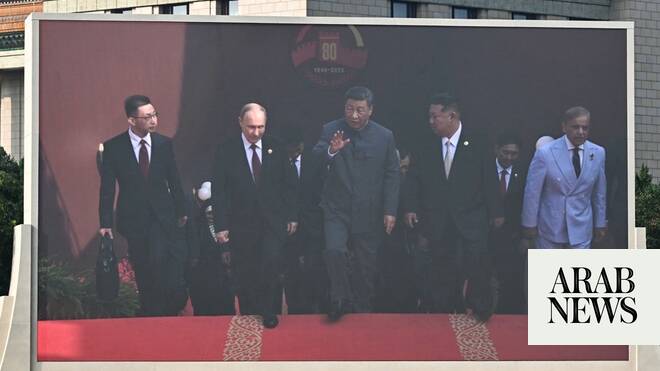
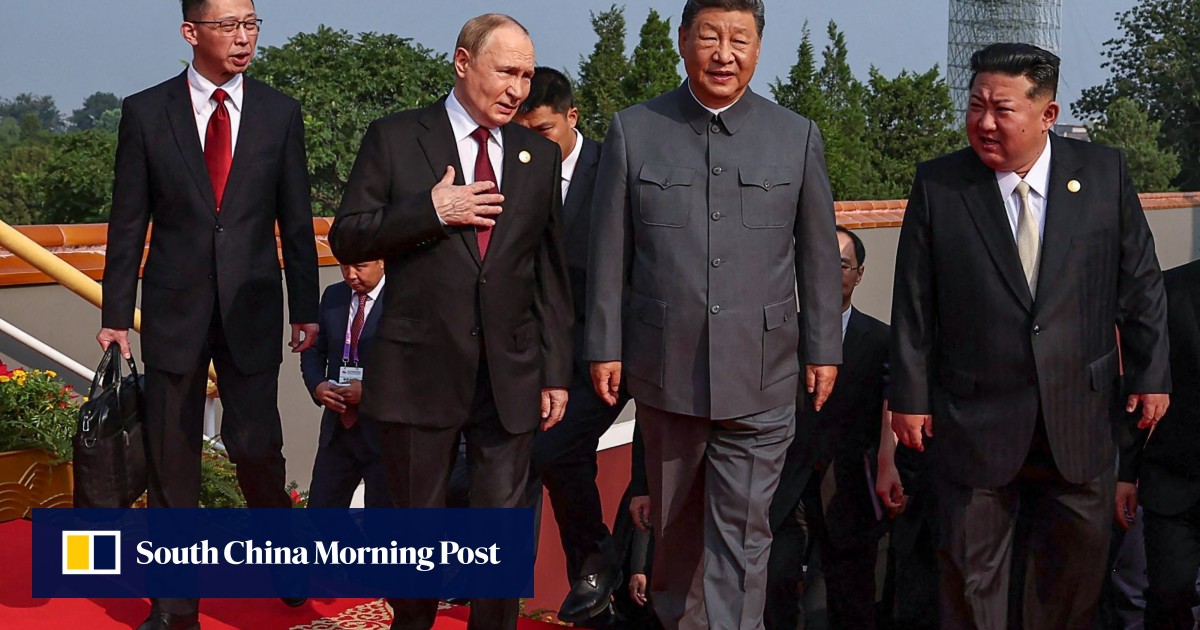
Nationalism has become increasingly central to the party’s domestic message. For international observers, it was the guest list, even more than the sizeable nuclear and conventional arsenal, which spelled out the intent. The images of the Chinese leader flanked by Vladimir Putin and Kim Jong-un, with other autocrats paying court, could hardly have been more striking. It found its intended audience. Donald Trump – his pique perhaps sharpened by the contrast with his own alarming but underwhelming parade in June – accused the trio of conspiring against the United States.