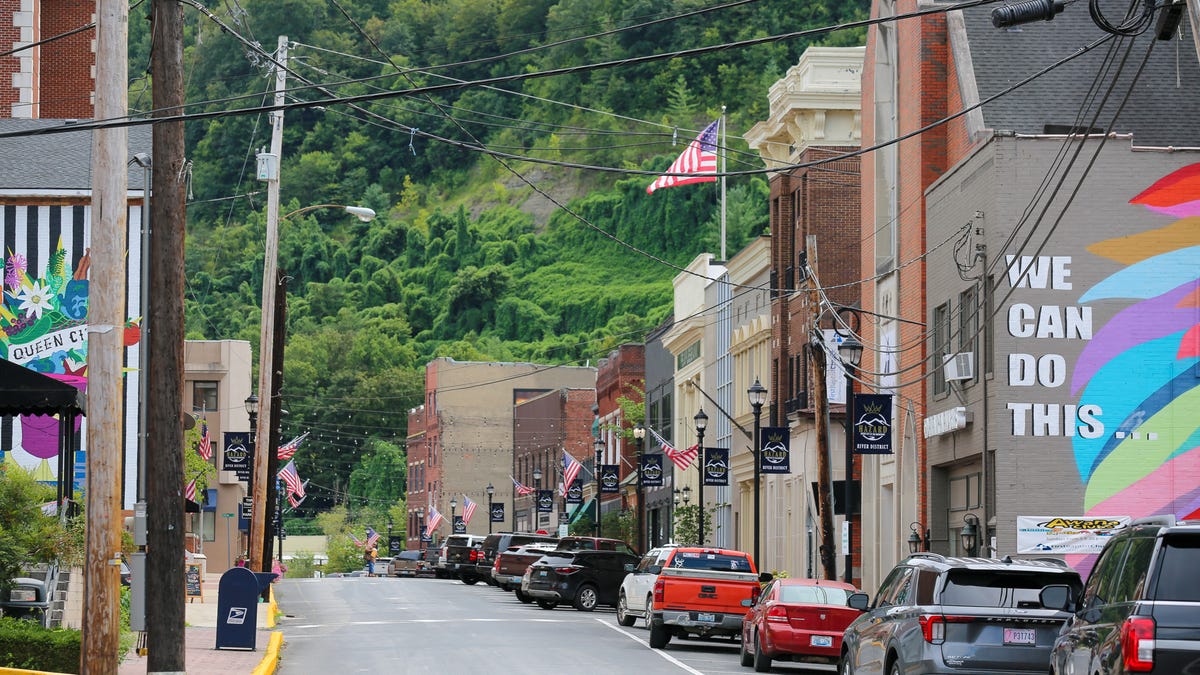
HAZARD, Kentucky – The road to Mike Caudill’s salvation runs alongside a wooded creek, winding through Appalachian hillsides dripping with Kudzu, past a Baptist church and a country gas station before turning through gates with a sign reading “Beacons of Hope.”
Here, in a former metal yard turned residential drug rehabilitation center just outside of town, the 40-year-old arrived after years of addiction that began around the time opioid pain pills flooded into the hardscrabble region’s mountains and valleys.
Caudill once dreamed of playing college basketball. But by high school he’d fallen into drugs.
Over time, his work as a house painter fell away. He stole from relatives. He sold drugs to buy his own. He lived in a house without power, water or heat, disappearing with his kids’ toys or TV to hawk for meth.
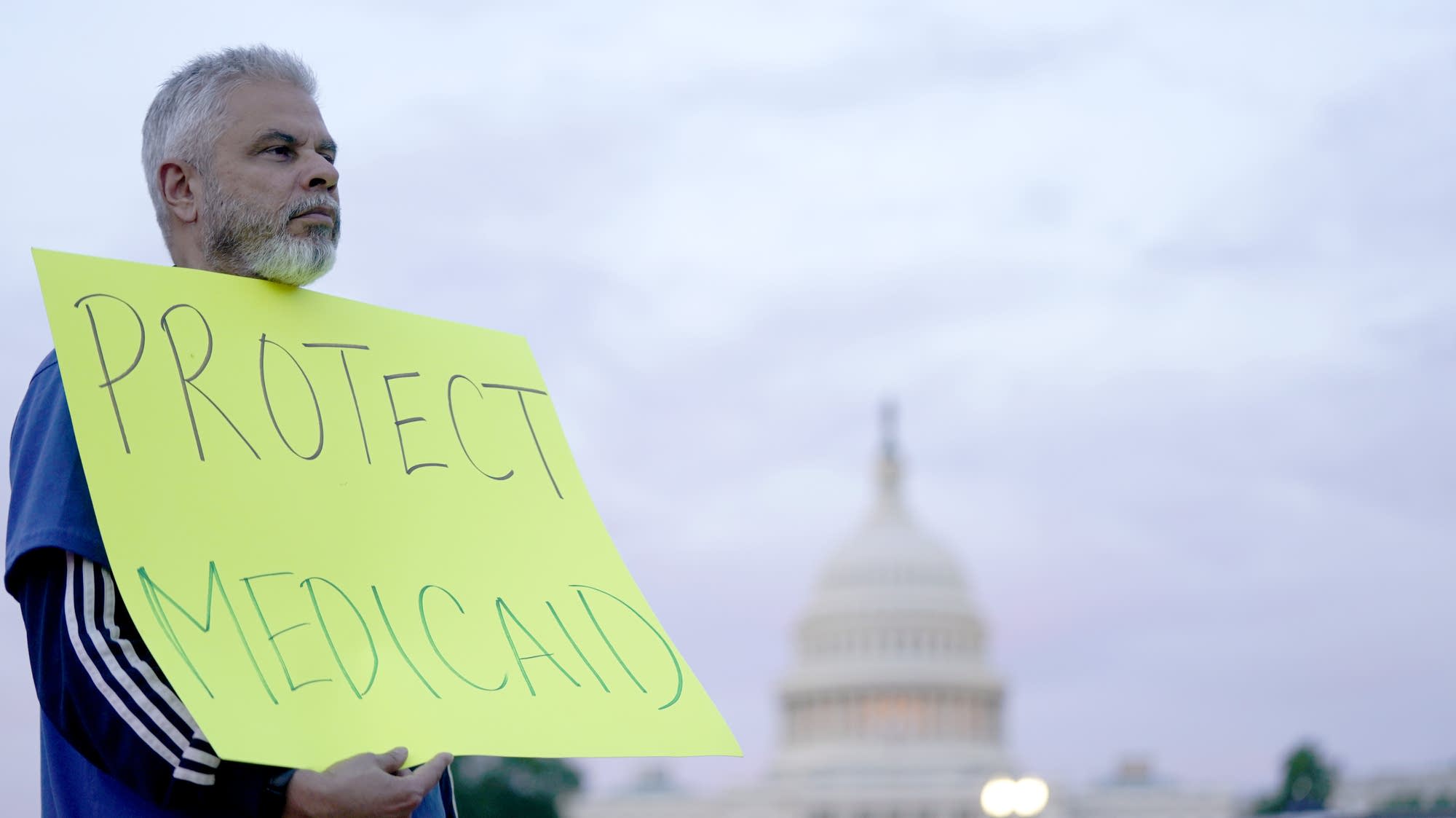
In 2023, after a few previous attempts to quit, he entered a six-month residential treatment program at Beacons and stayed — finally wrenching himself loose from 18 years of addiction. It was a costly recovery only possible, he said, because Medicaid paid for his treatment.