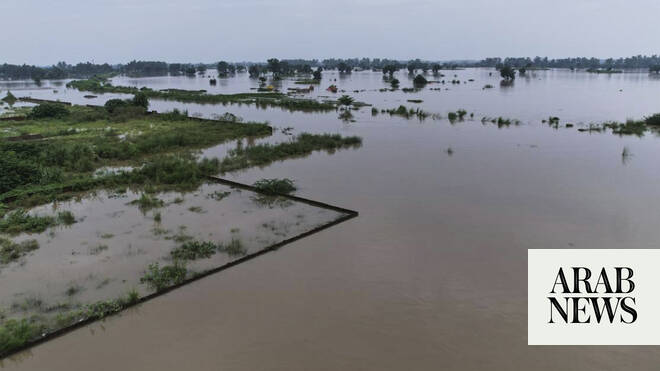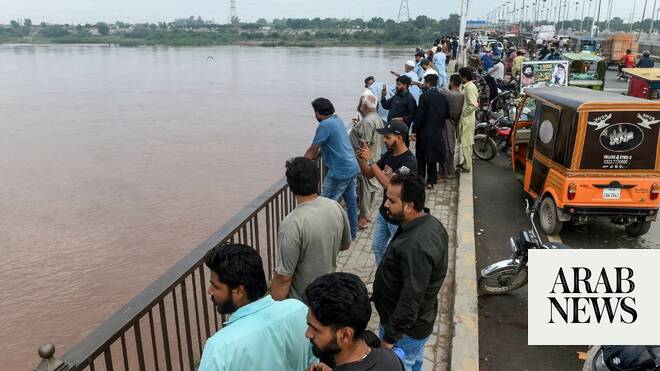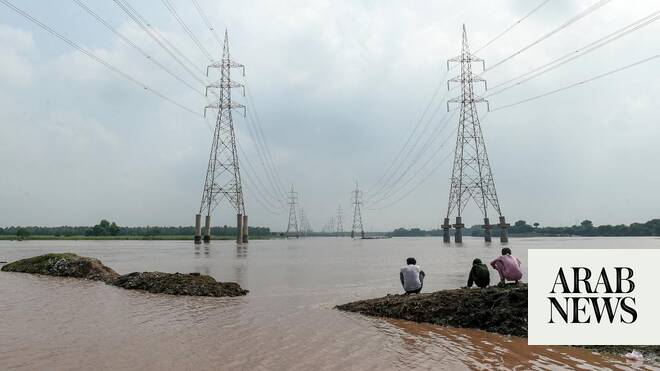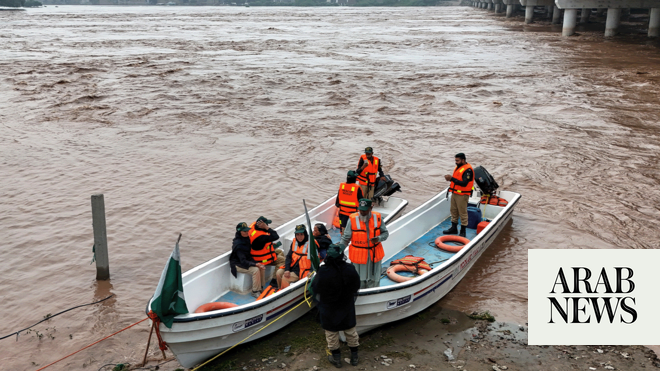
ISLAMABAD: As Pakistan reels from floods that have killed at least 43 people and displaced more than 1.3 million in Punjab this month, a surprise call by Khyber Pakhtunkhwa (KP) Chief Minister Ali Amin Gandapur to build the long-stalled Kalabagh Dam has reignited one of the country’s fiercest water disputes.
The Kalabagh Dam, proposed in 1984 on the Indus River in Punjab’s Mianwali district, is designed to generate 3,600 megawatts of electricity, irrigate farmland and store water to help manage floods. But the $10 billion project has never moved forward because of fierce opposition from the provinces of Sindh and KP, where leaders fear it would divert water southward, submerge districts like Nowshera, and displace thousands of families. Assemblies in the two provinces have passed multiple resolutions against the dam, while successive governments in Islamabad have avoided pushing it for fear of inflaming regional tensions.
For now, Gandapur’s comments appear unlikely to break the deadlock. But the fresh debate underscores Pakistan’s deepening struggle to balance water, energy and climate security — with storage dams seen by some as salvation and by others as relics of a bygone era.
“Future generations will benefit from this project,” Gandapur said this week, urging provinces to set aside reservations.