We and our vendors use cookies and similar methods (“Cookies”) to recognize visitors and remember their preferences. We also use Cookies for a variety of purposes, including analytics, to measure marketing effectiveness and to target and measure the effectiveness of ads. You can accept or reject the use of Cookies for individual purposes below. Some vendors process your data on the basis of their legitimate interest - you can object to such processing below. Your preferences will be saved in a cookie named “fides_consent” for a maximum duration of 12 months, as well as in your registered user account if you are logged in. If you previously accepted these methods through our prior banner, then we will use your data for targeting. Your preferences will apply on nytimes.com, as well as our News, Cooking, Games and Audio apps. Your preferences here are unrelated to Apple’s App Tracking Transparency Framework.
Supported by
The ruling marked a victory for Harvard in its battle with the president, but the judge’s decision may not be the final word.
By Alan Blinder
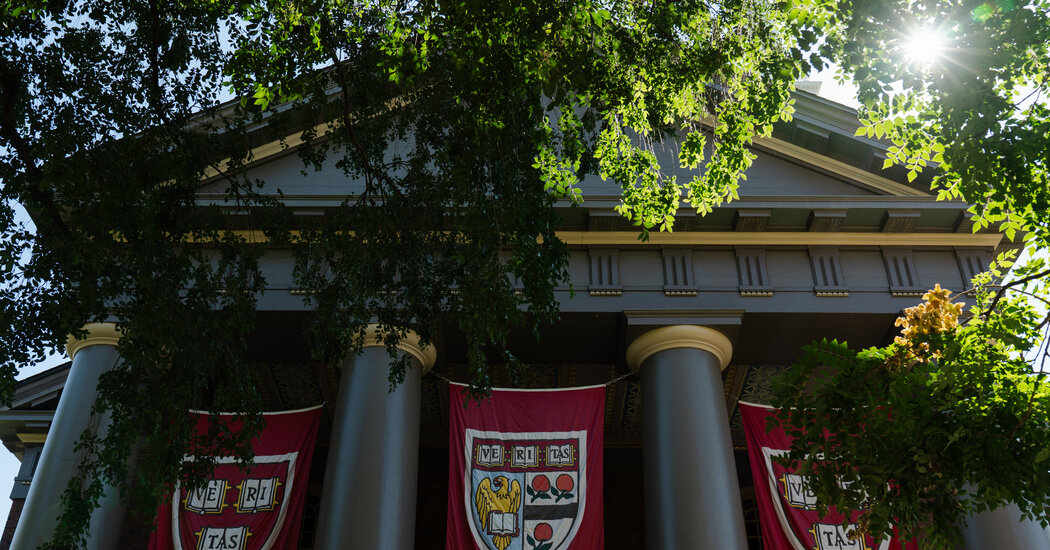
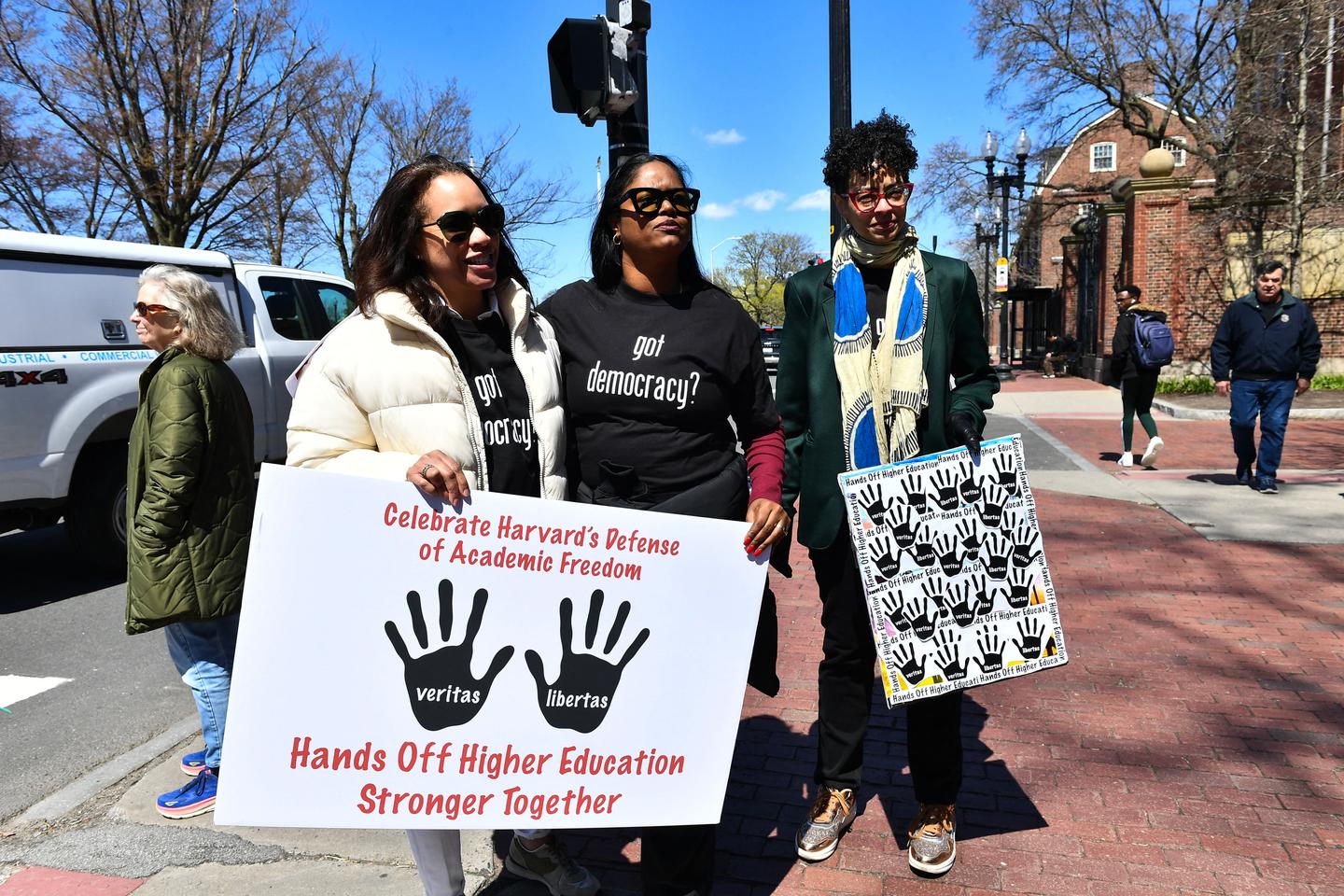
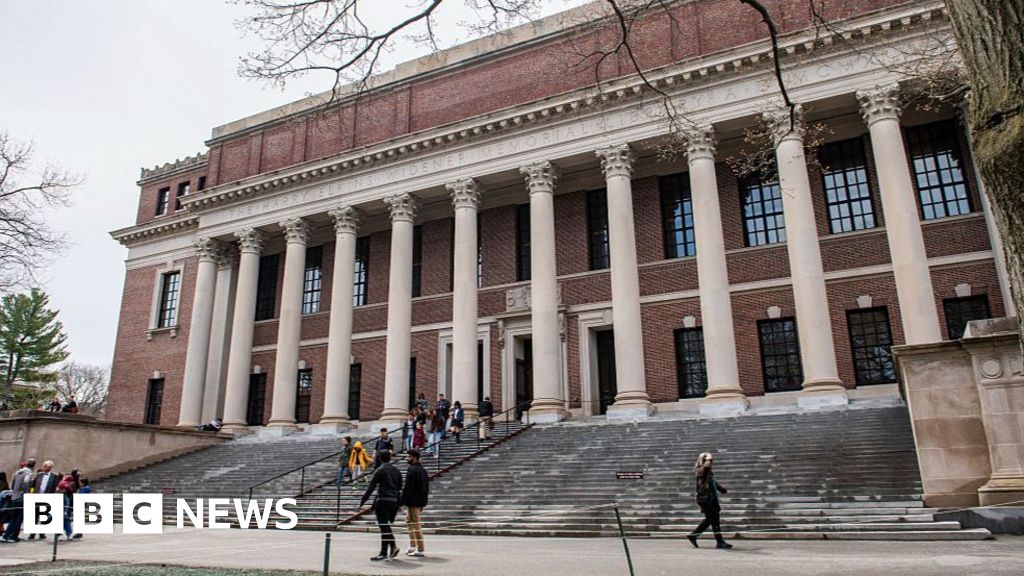
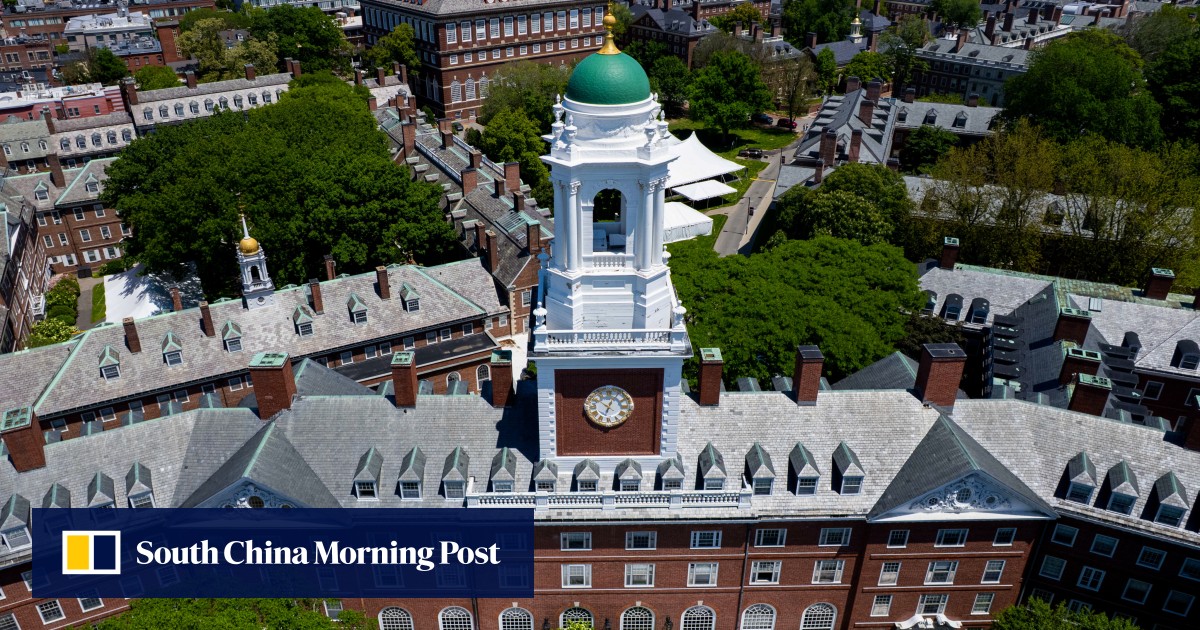
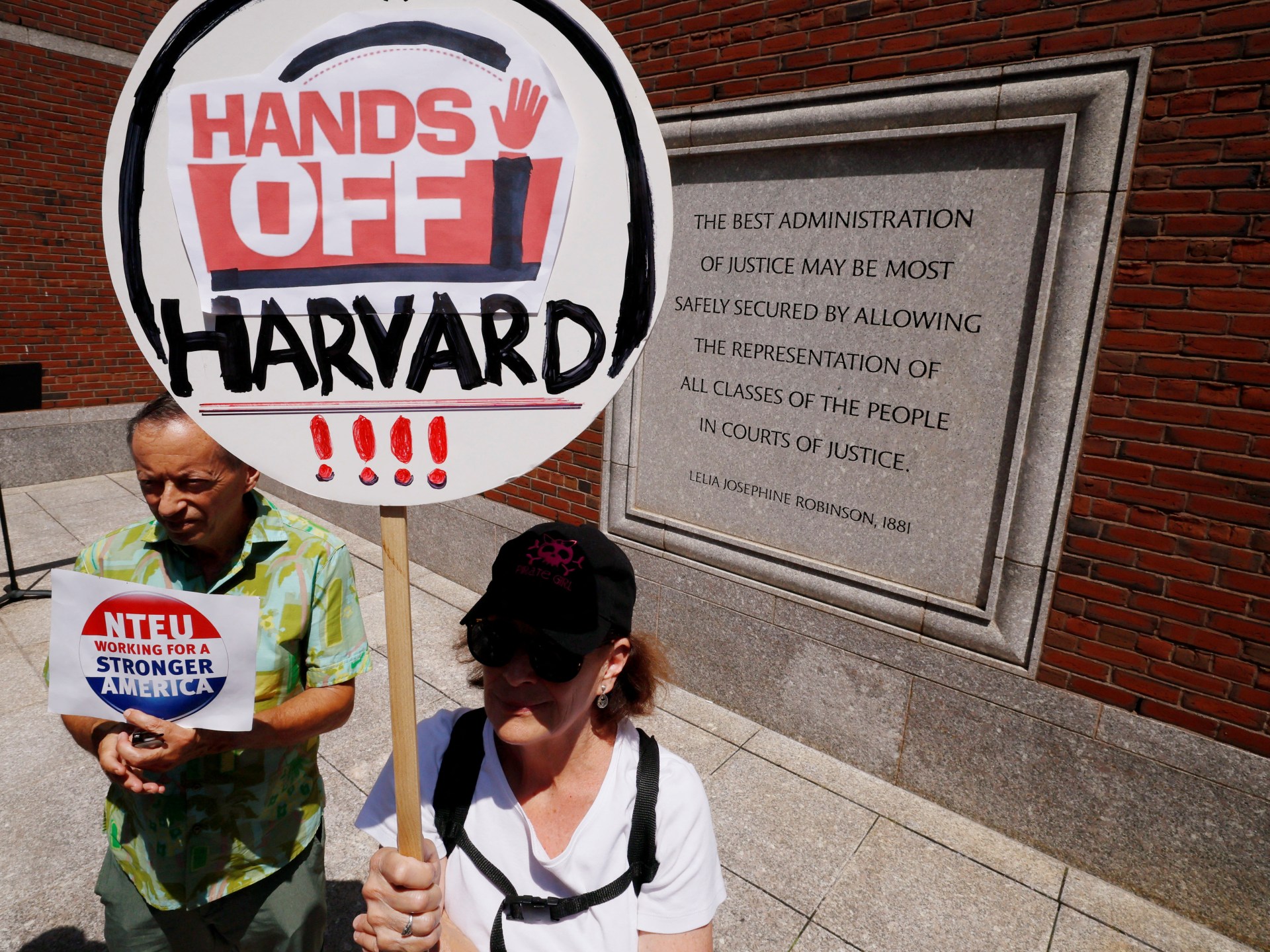
Harvard University won a crucial legal victory in its clash with the Trump administration on Wednesday, when a federal judge said that the government had broken the law by freezing billions of dollars in research funds in the name of combating antisemitism.