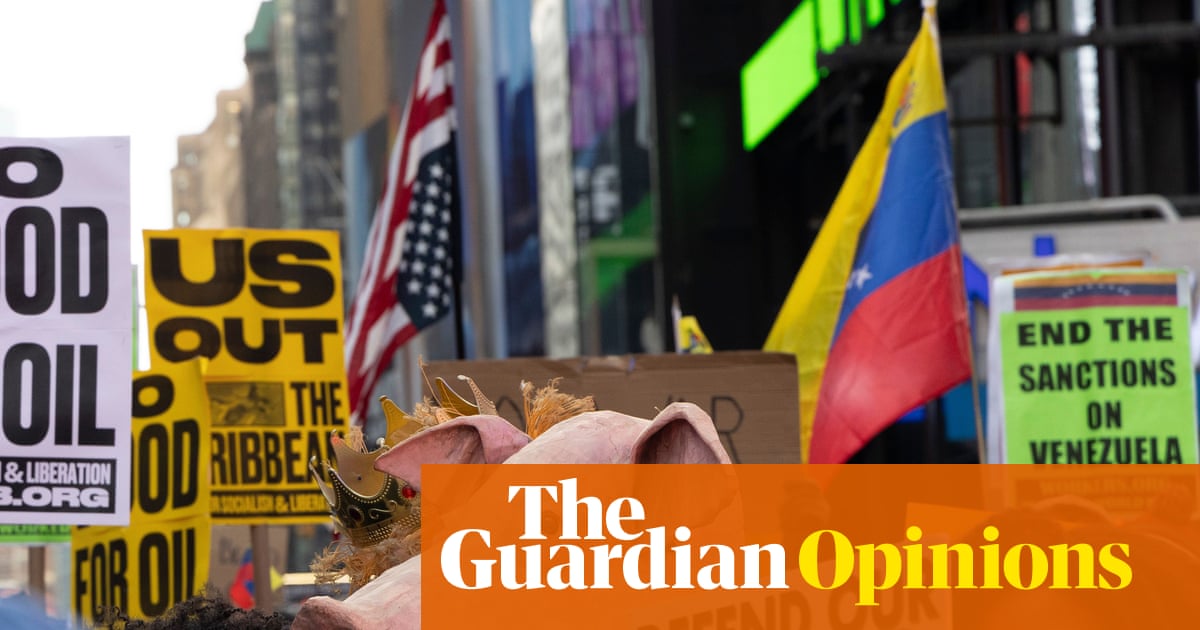
Far from a peaceful tool, these measures weaponise hunger and deprivation to enforce Western dominance.
By Jason Hickel, Dylan Sullivan and Omer Tayyab
The United States and Europe have long used unilateral sanctions as a tool of imperial power, to discipline and even destroy Global South governments that seek to shake off Western domination, chart an independent path, and establish any kind of meaningful sovereignty.
During the 1970s, there were, on average, about 15 countries under Western unilateral sanctions in any given year. In many cases, these sanctions sought to strangle access to finance and international trade, destabilise industries, and inflame crises to provoke state collapse.
For instance, when the popular socialist Salvador Allende was elected to power in Chile in 1970, the US government imposed brutal sanctions on the country. At a September 1970 meeting at the White House, US President Richard Nixon explained the objective was to “make [Chile’s] economy scream”. The historian Peter Kornbluh describes the sanctions as an “invisible blockade” that cut Chile off from international finance, created social unrest, and paved the way for the US-backed coup that installed the brutal right-wing dictatorship of Augusto Pinochet.