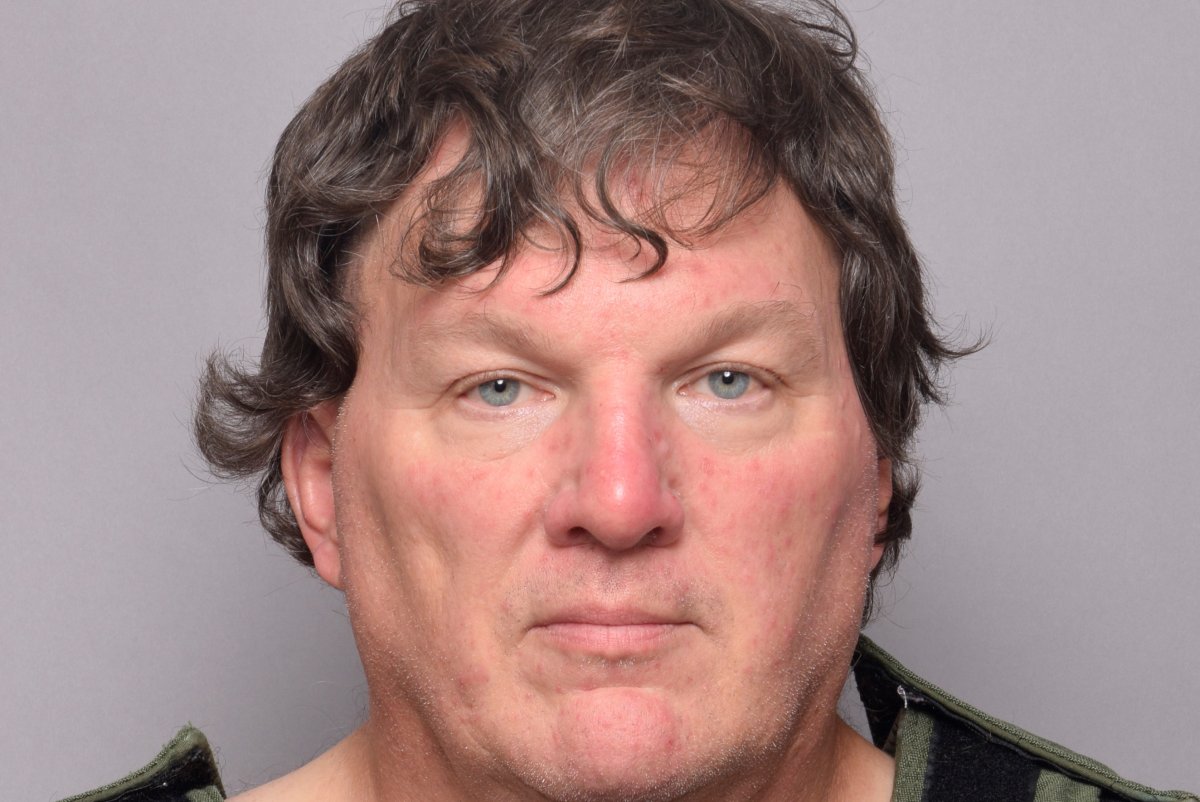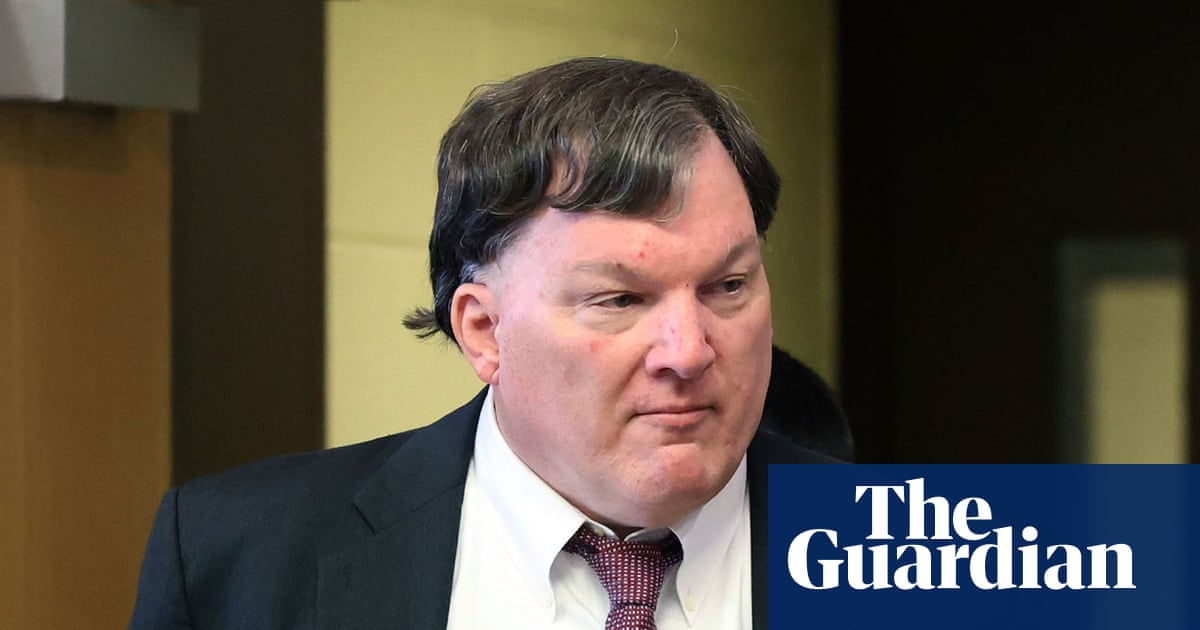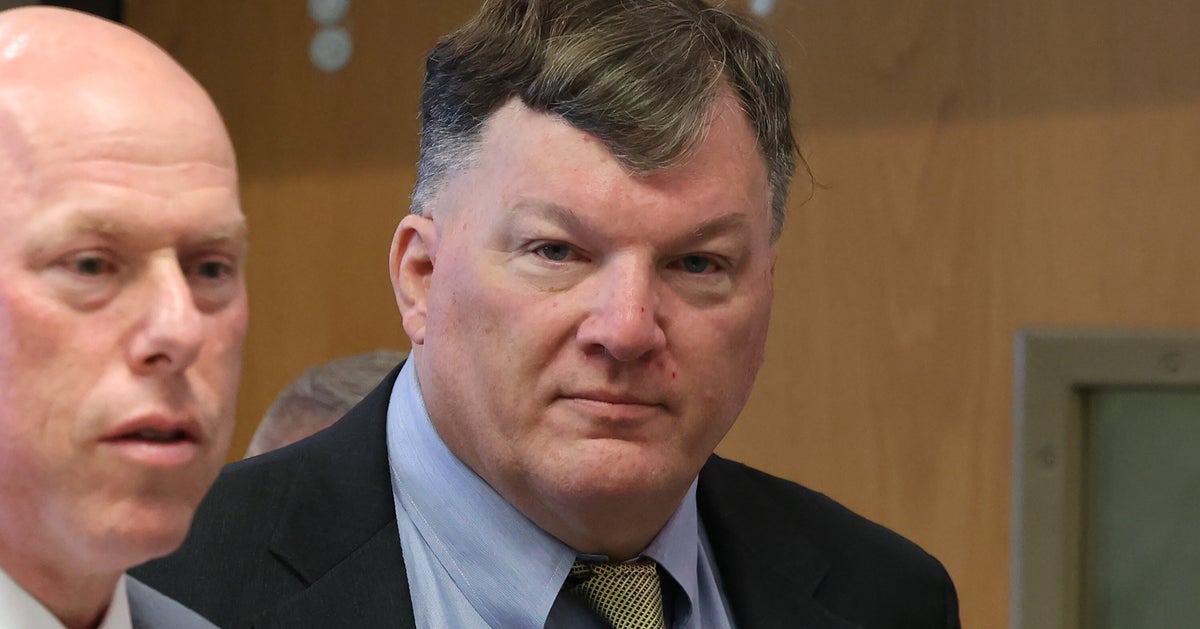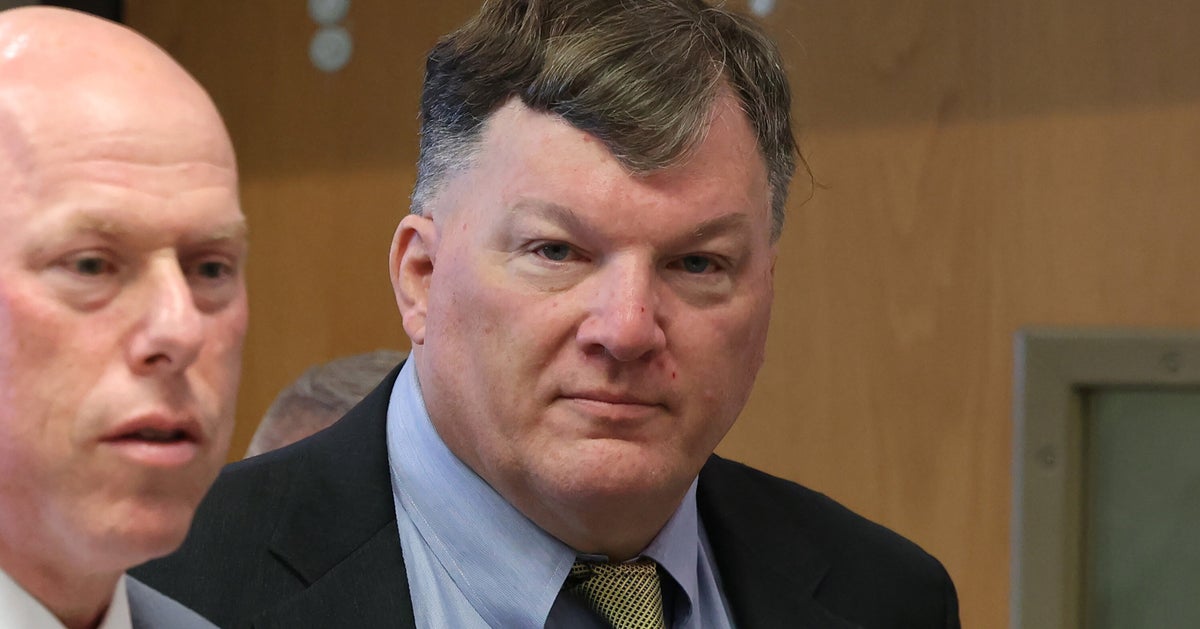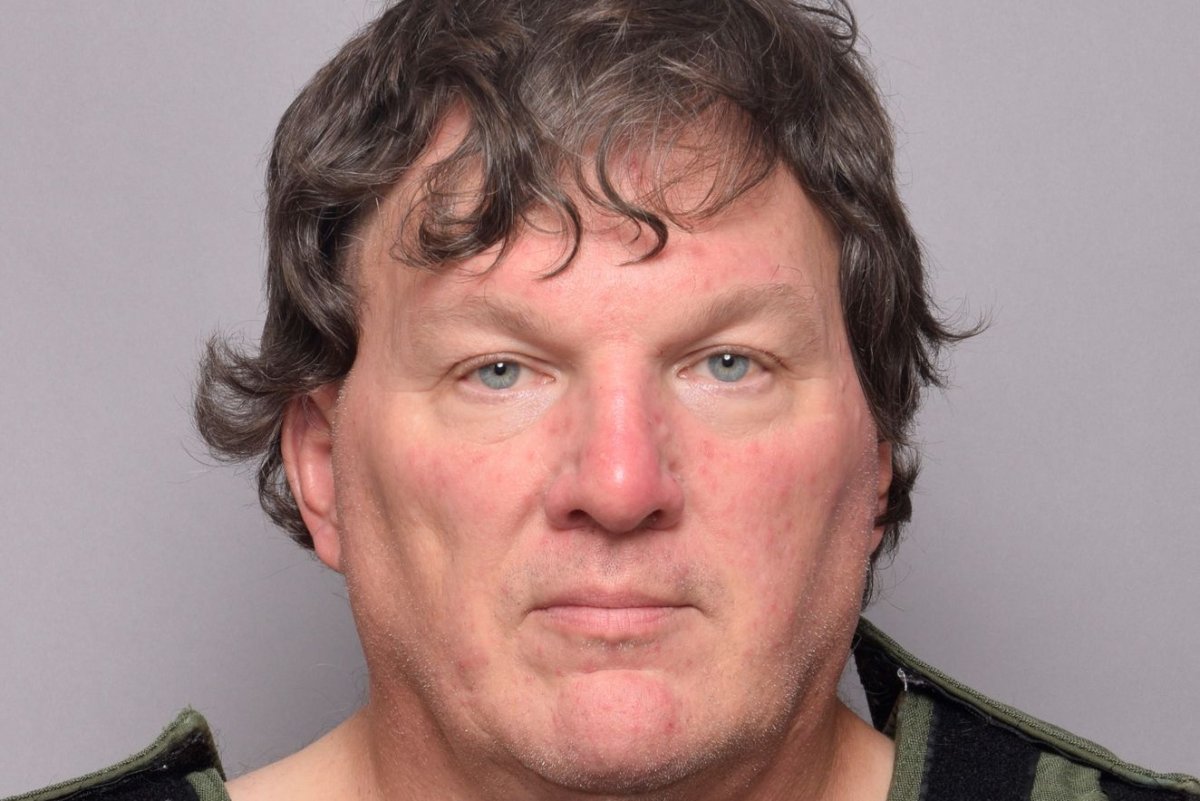
Sept. 3 (UPI) -- A New York judge Wednesday said prosecutors in the Gilgo Beach murders on Long Island can use evidence derived from a new DNA technology.
Lawyers for Rex Heuermann, who is accused of killing seven women, argued against allowing the evidence because the method, known as whole genome sequencing, had never been used in a New York court.
The victims were all suspected sex workers whose remains were discovered in a remote spot along Ocean Parkway near Gilgo Beach and parts of eastern Long Island.
The DNA evidence was derived from hairs recovered from six of the victims: Maureen Brainard Barnes, Megan Waterman, Amber Costello, Sandra Costilla, Jessica Taylor and Valerie Mack. Heuermann is also accused in the death of Melissa Barthelemy.
Prosecutors argued the technology, which analyzes rootless hairs recovered from the victims, was taken via accepted scientific methods, ABC News reported. They argued the defense motion to dismiss the evidence should be denied because the method is "generally accepted in the scientific community" and is based on technology "relied upon in a wide variety of scientific and forensic settings."