Some seven million pensioners are set to miss out on the 5 per cent boost to the state pension that others will get from April.
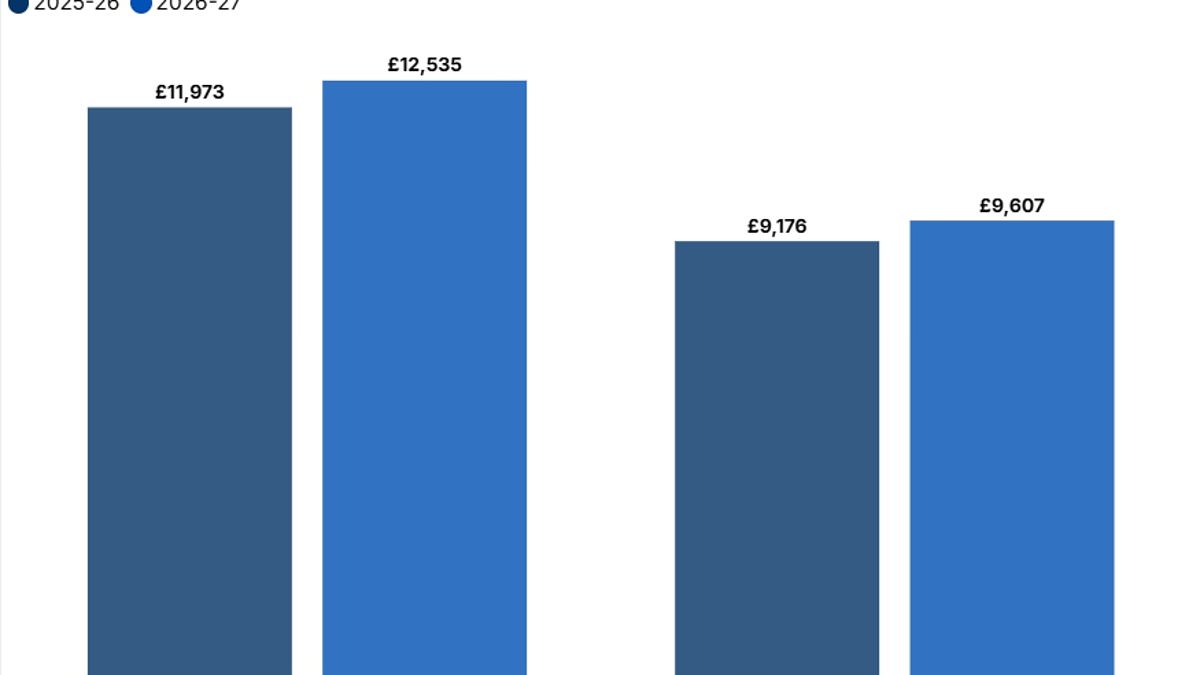
That’s because they are on the old state pension, where they get an additional earnings-related pension — known as Serps or the state second pension — which is not covered by the government’s triple lock. The lock, introduced in 2011, guarantees that the state pension increases each year by average wage growth, inflation or 2.5 per cent — whichever is highest. Wages went up the most this year, so from April the full new pension is likely to rise £599 (5 per cent) from £11,973 to £12,572 a year.
The state second pension, however, goes up in line with inflation, which at the moment is sitting at 3.8 per cent. The old basic state pension, which those on the old system get in addition to the second pension, will go up in line with the triple lock, which could mean a 5 per cent rise from £9,175 to £9,634 a year.
• Read more money advice and tips on investing from our experts
Steve Webb, a former pensions minister who is now a partner at the consultancy LCP, said the split system could, this year, leave many older pensioners worse off than those who retired after 2016 and are on the new unified system. Since 2011 the state pension has gone up with inflation seven times, by 2.5 per cent three times and in line with wages five times.