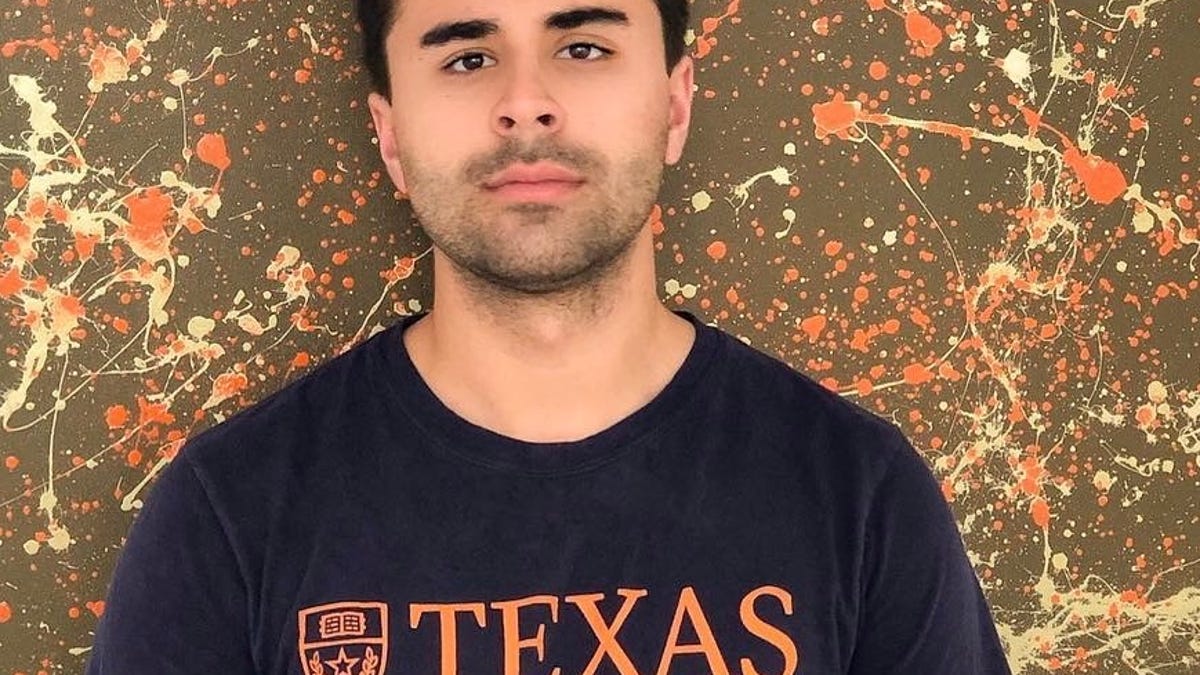
On an August night in Texas, Pablo Pratt put his 1-year-old son to sleep and sat down with his wife, trying to make the numbers work. Their rent was due, daycare costs were piling up, and now, after changes to popular repayment options, $582 in student loan interest had quietly hit his account.
Pratt, 28, was one of millions enrolled in the Biden administration’s Saving on a Valuable Education (SAVE) plan who were charged interest for the first time in a year. His family was already living paycheck to paycheck when the surprise interest charge added additional stress.
“We're barely just coasting by,” Pratt says. “It spirals and then one thing leads to another, you can go from something good to something really bad, really fast.”
With $130,000 in student loan debt, Pratt scrambled to make up the extra payment. He sifted through their garage and listed old coffee makers and an XBox on Facebook Marketplace. His wife looked to pick up extra babysitting shifts. In the end, it wasn’t enough, and they got a loan from Pratt's parents.
Gen Z, the cohort born between 1997 and 2012, is navigating a quickly-changing student loan landscape. Under the Trump administration, elimination of popular repayment options and changes to federal aid are destabilizing some young people’s financial futures and in other cases, pushing them out of higher education altogether. Young people feeling the impacts say they’re panic applying to jobs, experiencing anxiety and in extreme cases, discussing moves out of the country.