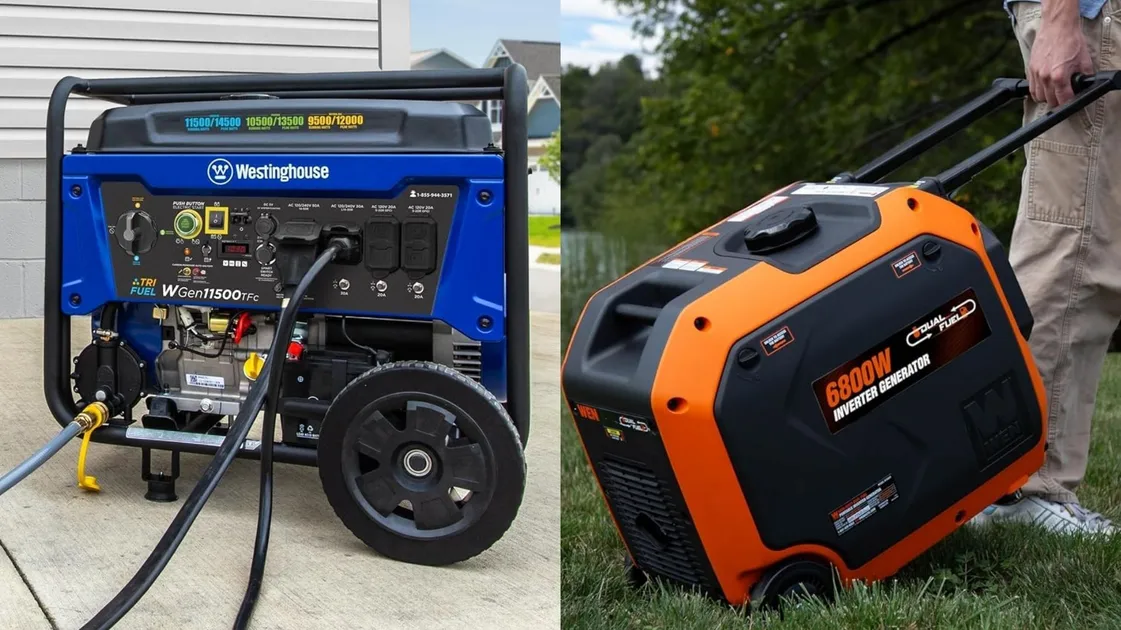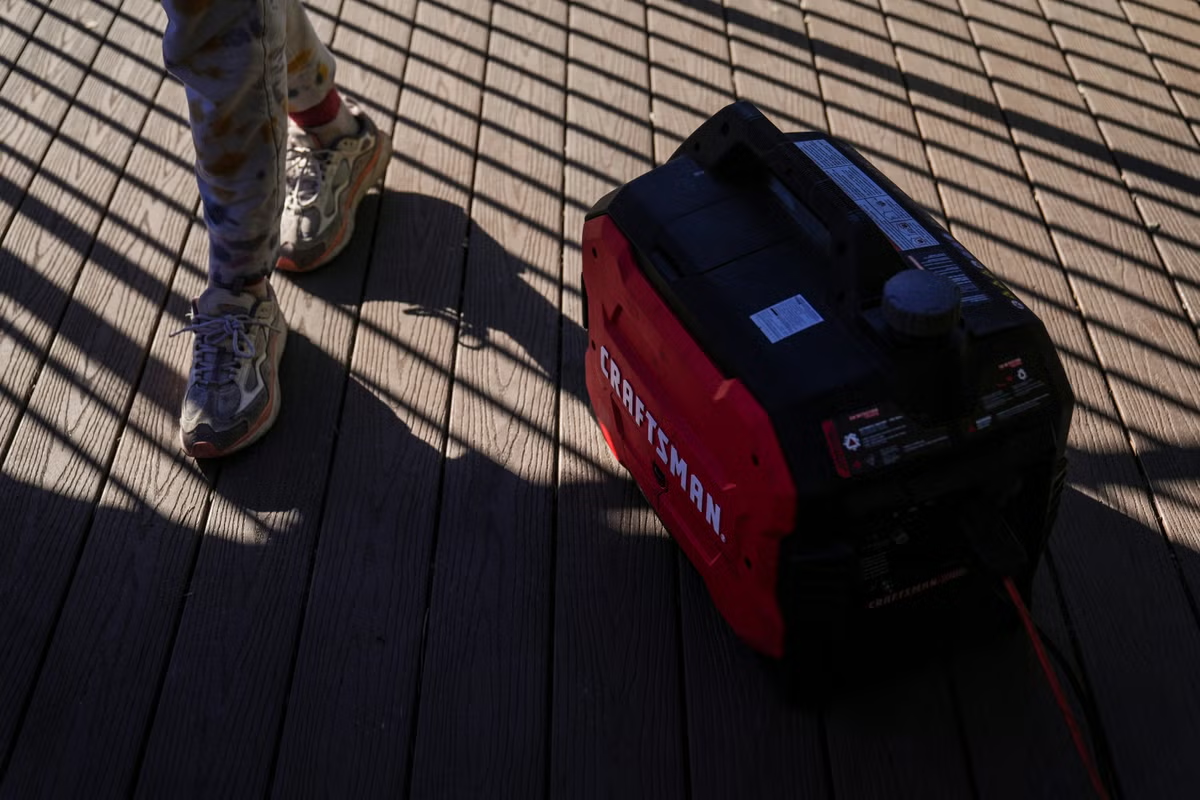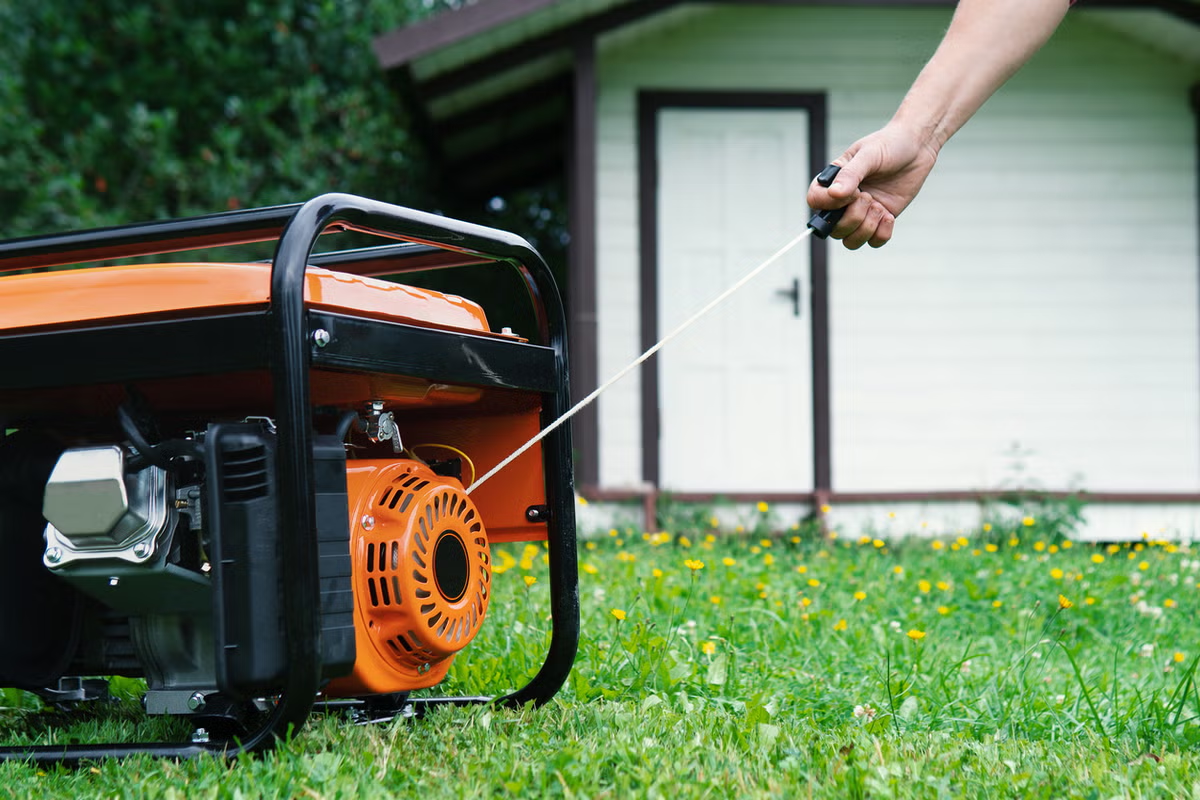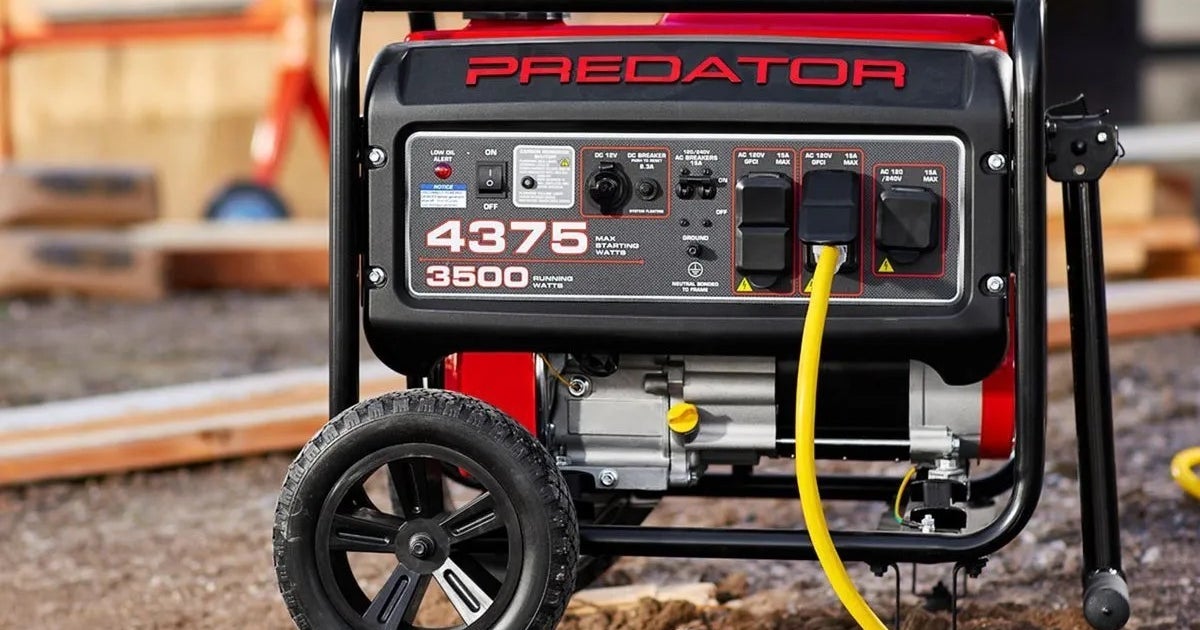
With all the outlets, inputs, buttons and switches, home generators can be overwhelming. If you’re not a trained electrician or someone who works closely with wires and power, these backup power devices can seem like some sort of cryptic 3D puzzle. Yet, if you live in a hurricane-prone area or if you like to be prepared during a power outage, getting a portable generator of your own can be a huge help. And according to the experts we consulted, home generators are less confusing than they may seem.
Generators Versus Power Banks And Power Stations
First things first, what is a home generator? And is it the same thing as a portable power bank? (Spoiler: No.)
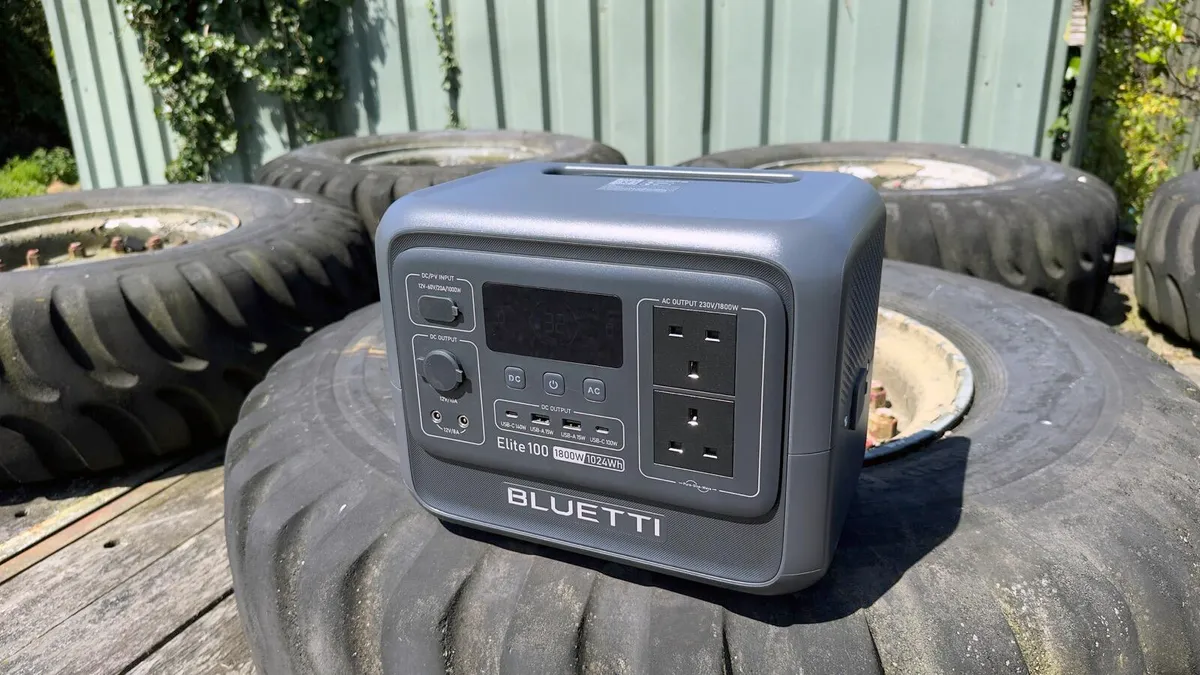
“A generator uses a fuel source to convert it to electrical energy,” said Aaron Willeford (also known as “Aaron the TikTok Handyman”), a regional maintenance director in McKinney, Texas. “[A] power station [is] a battery bank which provides power without the need for fuel or moving parts, only recharging.”
Willeford said generators typically range from 1,000 to 40,000 watts and are used for longer-term power for homes and larger appliances, like air conditioners and refrigerators. Because they run on fuel, they can run as long as there is a fuel source.