WILLISTON PARK, New York − A pristine, evergreen lawn has long been the dream of American suburban homeowners, but in recent years, a new ideal has begun to sprout in yards across the country.
Some call it re-wilding and say it cuts down on water bills, reduces flooding, restores habitats and supports helpful bugs. Others see the lawns as messy, weedy and even illegal.
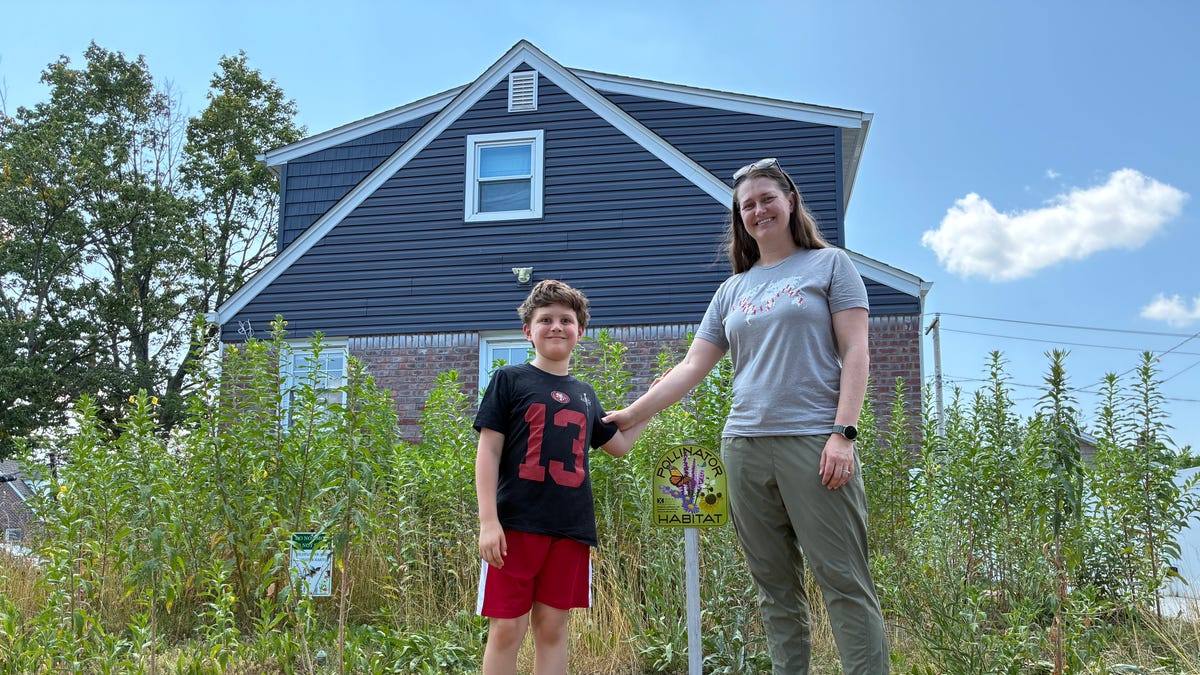
The issue is coming to a head this summer in a suburb outside New York City, where one science teacher is defending her family's native plants against an onslaught of criticism from village officials as she awaits her first-ever court appearance September 3.
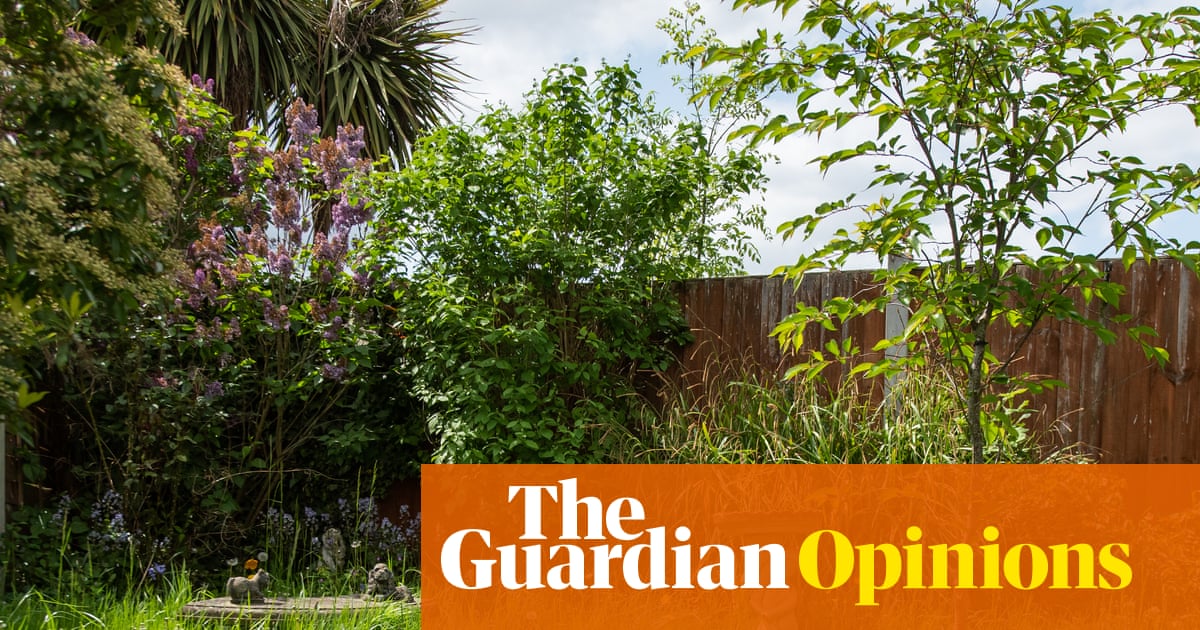
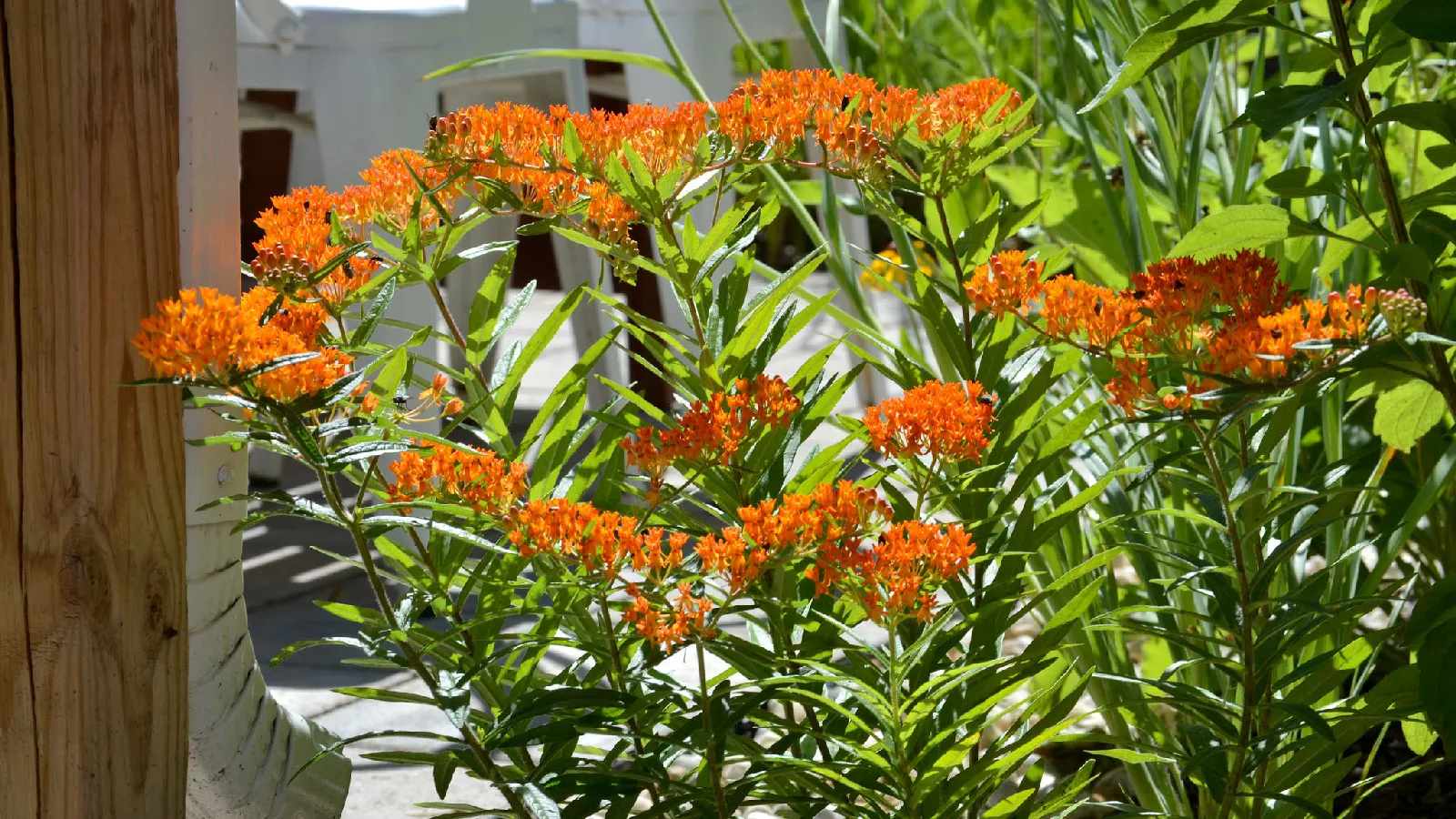
The tickets and warnings she's received represent "an outdated mindset" by the village of Williston Park, said Aimee Kemp, 37. Her corner property, which once featured a standard lawn, now blooms with milkweeds, perennials and even fruit trees. She and her husband still maintain a smaller lawn in the backyard.
"People don't know because they've grown up in areas with lawns their entire lives," Kemp said. "They don't know what the alternative could be, and that it's something that is actually very beneficial."