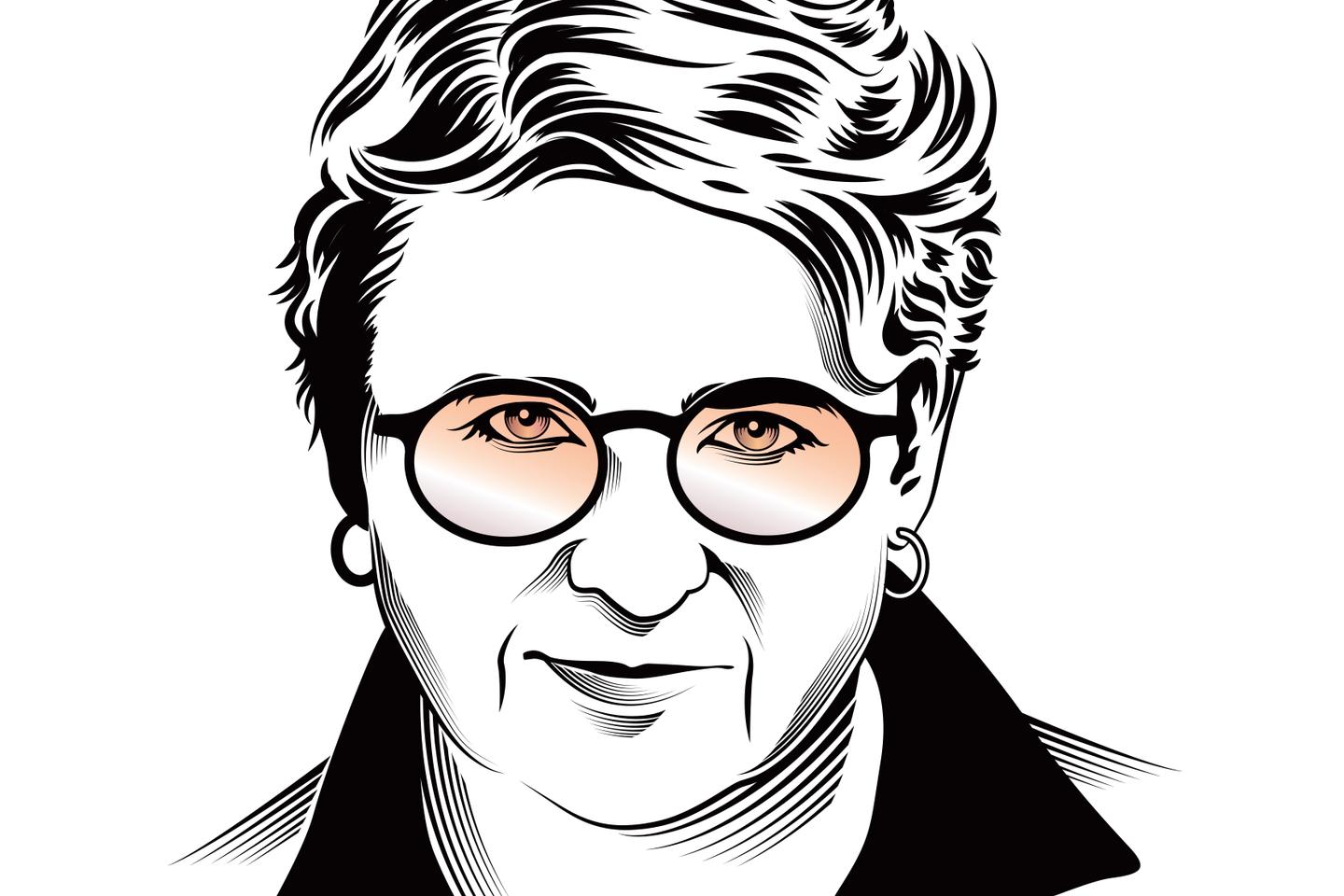
Born in 1941 in Charleville-Mézières, in northern France, Arlette Farge is a historian specializing in the 18th century. She is a director of research at France's National Research Organization, attached to the School for Advanced Studies in the Social Sciences (EHESS). Her works include Délinquance et criminalité. Le vol d'aliments à Paris au XVIIIe siècle ("Delinquency and Crime: The Theft of Food in Paris in the 18th Century," 1974), a thesis that opened the way to numerous studies on the history of poor populations through police archives, as well as Vivre dans la rue à Paris au XVIIIe siècle ("Living on the Streets in Paris in the 18th Century," 1979), which led her to co-author Le Désordre des familles (Disorderly Families: Infamous Letters from the Bastille Archives, 1982) with Michel Foucault. Farge is also the author of Vies oubliées ("Forgotten Lives," 2019) and Le Goût de l'archive (The Allure of the Archives, 1989), a work that left its mark on the history of sensibilities. Most recently, she wrote Le Hasard amoureux ("The Chance of Love," 2023). The researcher and feminist has expressed alarm at the early onset of violence among some young people, as well as at a system of incarceration that fosters repeat offenses.
Arlette Farge, historian: 'Today's isolated and abandoned youth do not know where their future lies'
'May '68 Thinkers Reflect On Trump Era' (3/6). The researcher and feminist expresses concern about the early emergence of violence among some young people, as well as about a system of incarceration that fosters repeat offenses.
304 words~1 min read