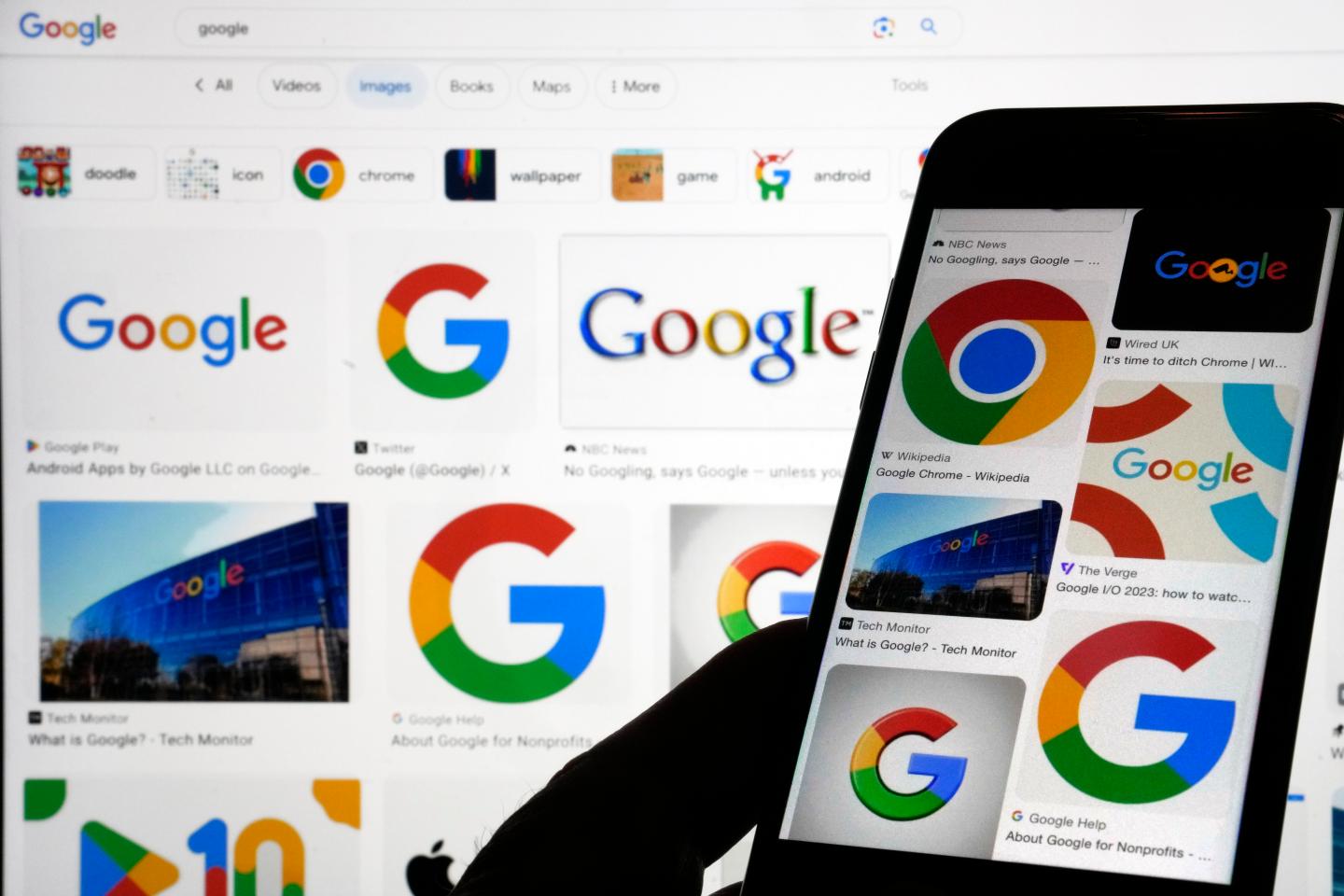
Various Google logos are displayed on a Google search, Monday, September 11, 2023, in New York. RICHARD DREW / AP
A US judge on Tuesday, September 2, rejected the government's demand that Google sell its Chrome web browser as part of a major antitrust case but imposed sweeping requirements to restore competition in online search. The landmark ruling came after Judge Amit Mehta found in August 2024 that Google illegally maintained monopolies in online search through exclusive distribution agreements worth billions of dollars annually.
Judge Mehta's decision in the Google case represents one of the most significant rulings against corporate monopoly practices in two decades, and could have fundamentally reshaped the tech giant's future.
The US government pushed for Chrome's divestment, contending that the browser serves as a crucial gateway to internet activity and facilitates a third of all Google web searches. But in his ruling, Mehta warned that a Chrome divestiture "would be incredibly messy and highly risky" and said US government lawyers had overreached in making that request.
'Competition is intense'