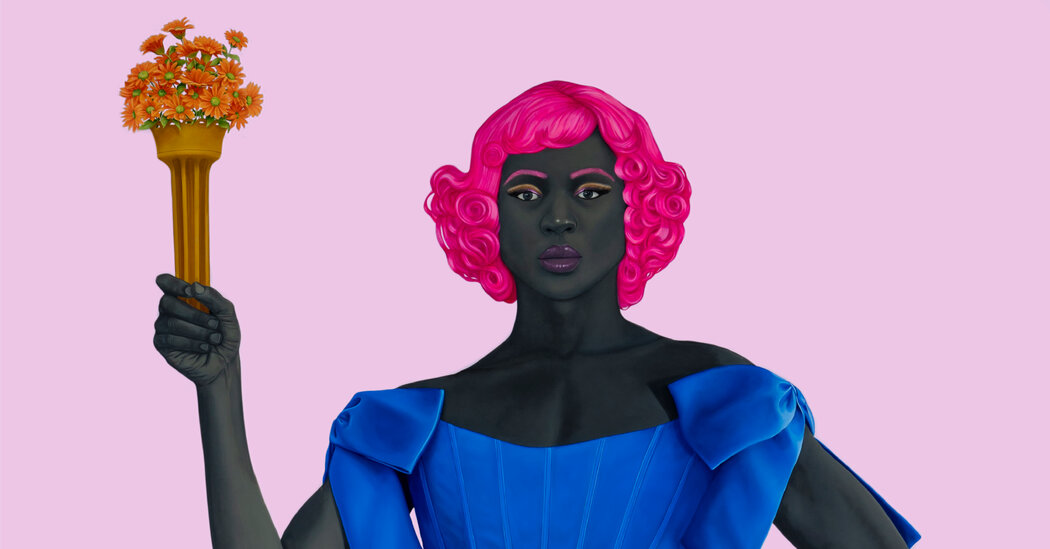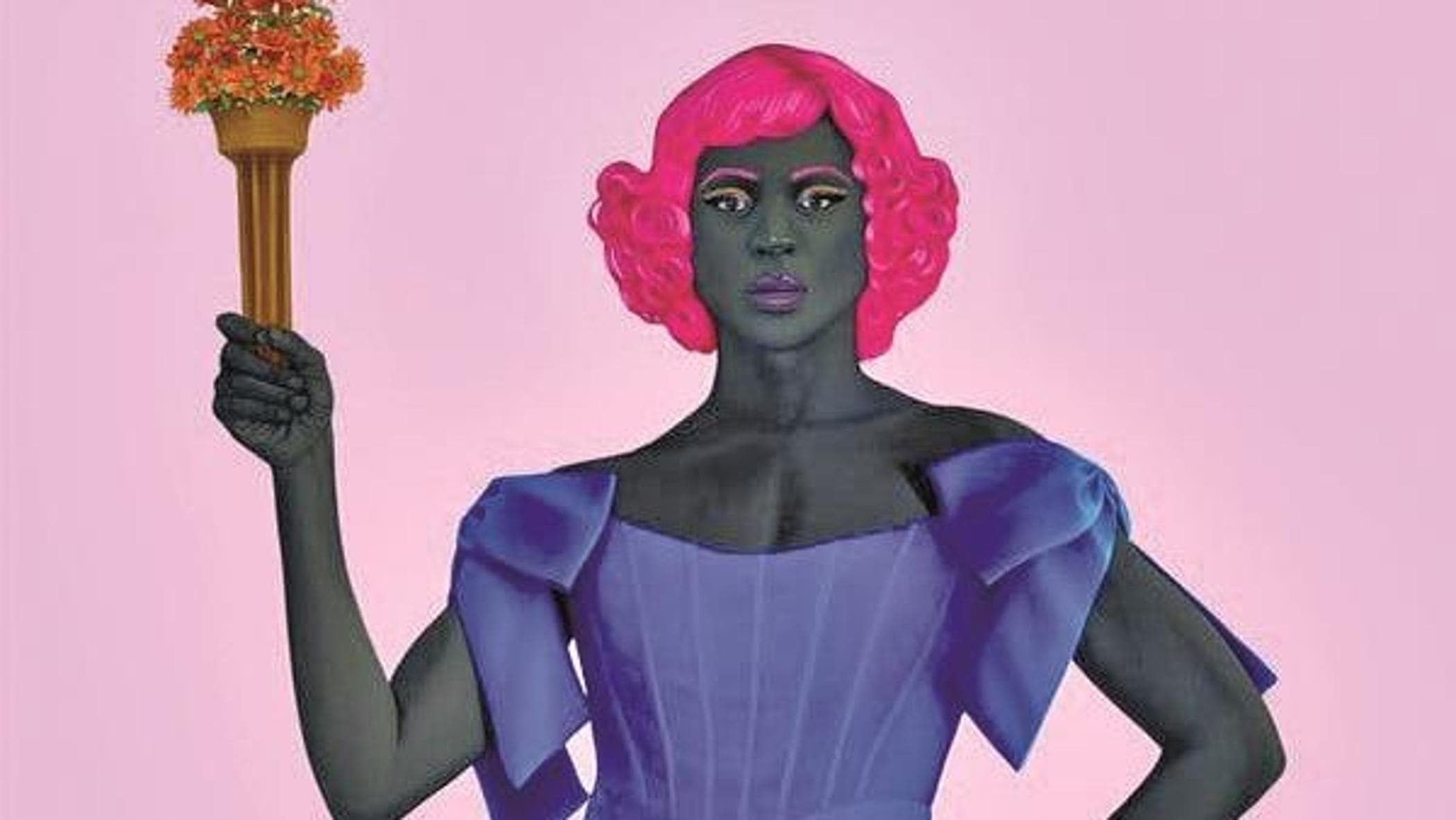
After the controversy over Amy Sherald’s portrait of a trans Statue of Liberty, trans artists speak about why their work speaks to an important moment
P
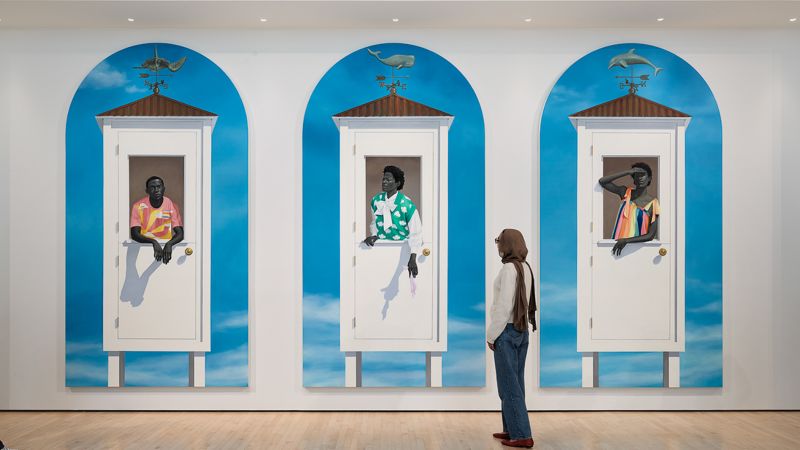
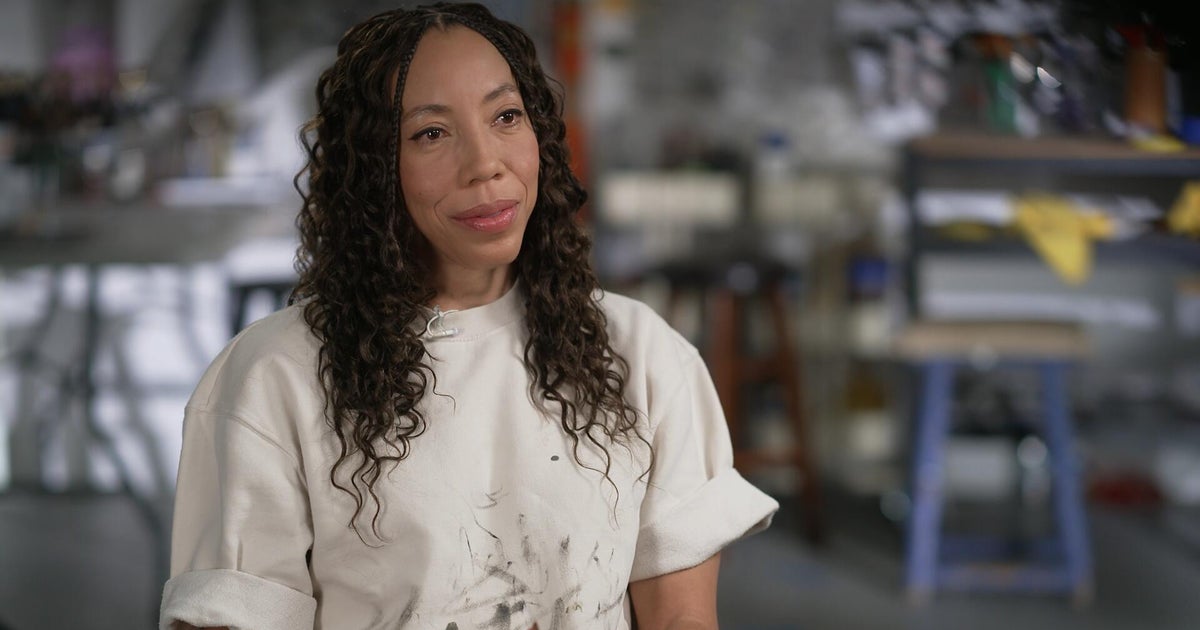
art of the magic of portraiture is how it renders so much of the human experience accessible to us, things we might never see otherwise. This has been very much on Black artist Amy Sherald’s mind. When I spoke to her in advance of the debut of her exhibition American Sublime, she told me that Black representation was foundational to her practice: “I developed this idea that, when I look at art history, for the most part I don’t see portraits of people that look like me. So it started there.”
That exhibition’s curator, Sarah Roberts, also spoke about Sherald’s passion for representing the LGBTQ+ community: “Amy has thought a lot about her role as an artist and the need for representation, and she has long been a champion of LGBTQ+ rights. This work is thinking about who gets depicted as being American.”
It was no surprise, then, that Sherald would have a very strong reaction when the Smithsonian attempted to censor Trans Forming Liberty, a portrait that she made of the Black trans woman Arewà Basit, out of American Sublime in advance of its arrival there. As Sherald told the New Yorker: “Trans Forming Liberty challenges who we allow to embody our national symbols – and who we erase. It demands a fuller vision of freedom, one that includes the dignity of all bodies, all identities … This portrait is a confrontation with that truth.”