We and our vendors use cookies and similar methods (“Cookies”) to recognize visitors and remember their preferences. We also use Cookies for a variety of purposes, including analytics, to measure marketing effectiveness and to target and measure the effectiveness of ads. You can accept or reject the use of Cookies for individual purposes below. Some vendors process your data on the basis of their legitimate interest - you can object to such processing below. Your preferences will be saved in a cookie named “fides_consent” for a maximum duration of 12 months, as well as in your registered user account if you are logged in. If you previously accepted these methods through our prior banner, then we will use your data for targeting. Your preferences will apply on nytimes.com, as well as our News, Cooking, Games and Audio apps. Your preferences here are unrelated to Apple’s App Tracking Transparency Framework.
Supported by
By Peter Schwartzstein
Mr. Schwartzstein has been writing about climate and conflict for more than a decade and is based in Athens.
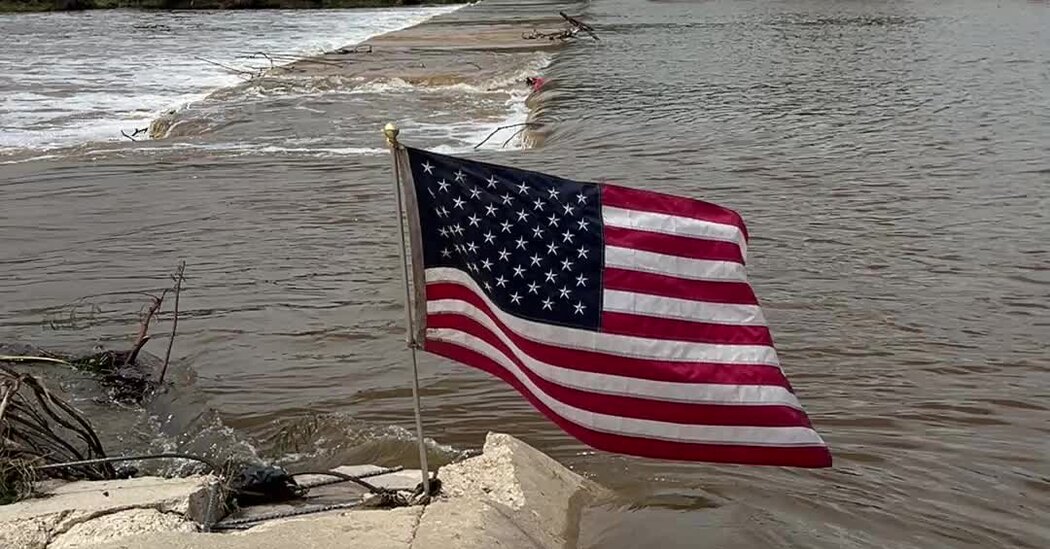
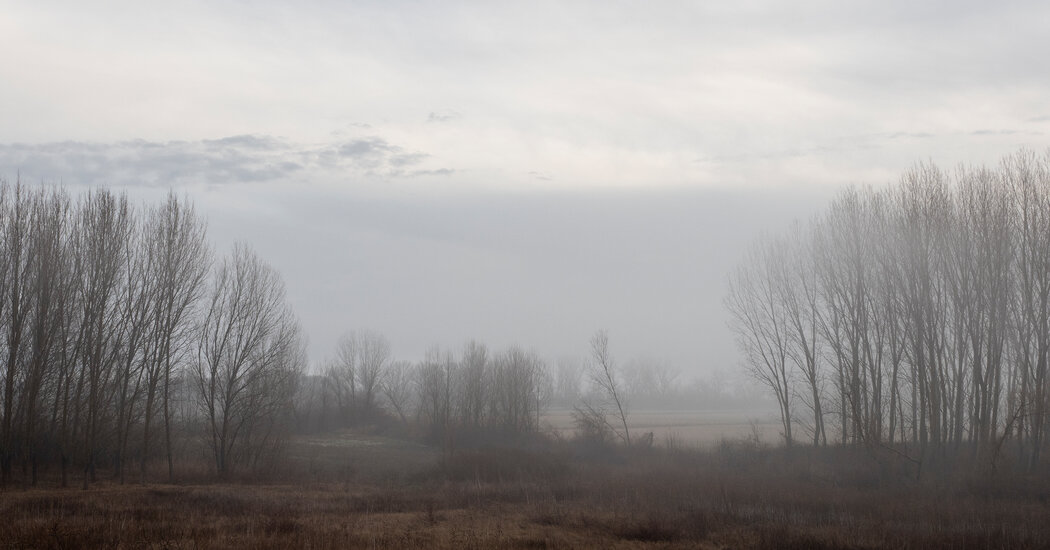
In recent years, Greek soldiers on patrol along the Evros River have found themselves at times unsure of which country they were in. Sometimes extreme rain swells the river, which forms most of the Greece-Turkey land border, enough to obscure telltale markers. On other occasions drought reduces it in places to a patchwork of stagnant puddles, with little discernible water separating the two sides. On other occasions, thick smoke from nearby wildfires has covered the river, also known as the Meriç or the Maritsa, in an all-concealing haze.