Aug. 27 (UPI) -- The Long Walk, in theaters Sept. 12, is a faithful adaptation of the early Stephen King novel, originally released under the pseudonym Richard Bachman. Though published in the '70s, the dystopian tale proves evergreen, and perhaps even more relevant now.
The story opens 19 years after a war decimated the American economy. Each year, the government holds an annual Long Walk, where 50 slots are given to lottery winners who walk until there is only one person standing. The winner receives whatever they want for life, while the others are killed.
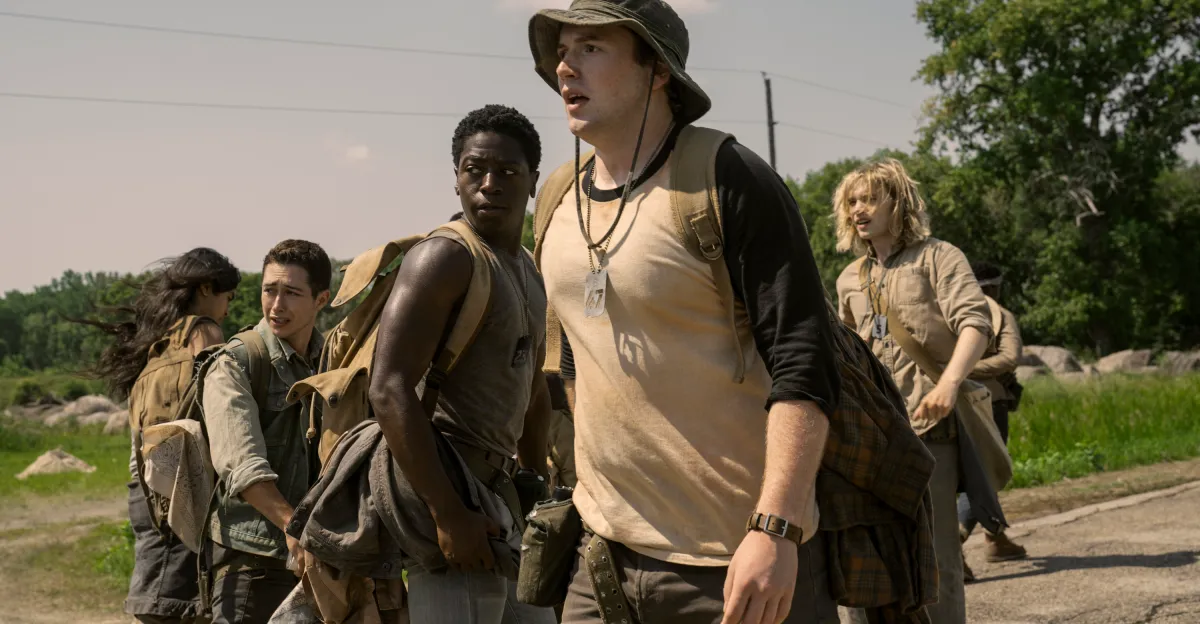
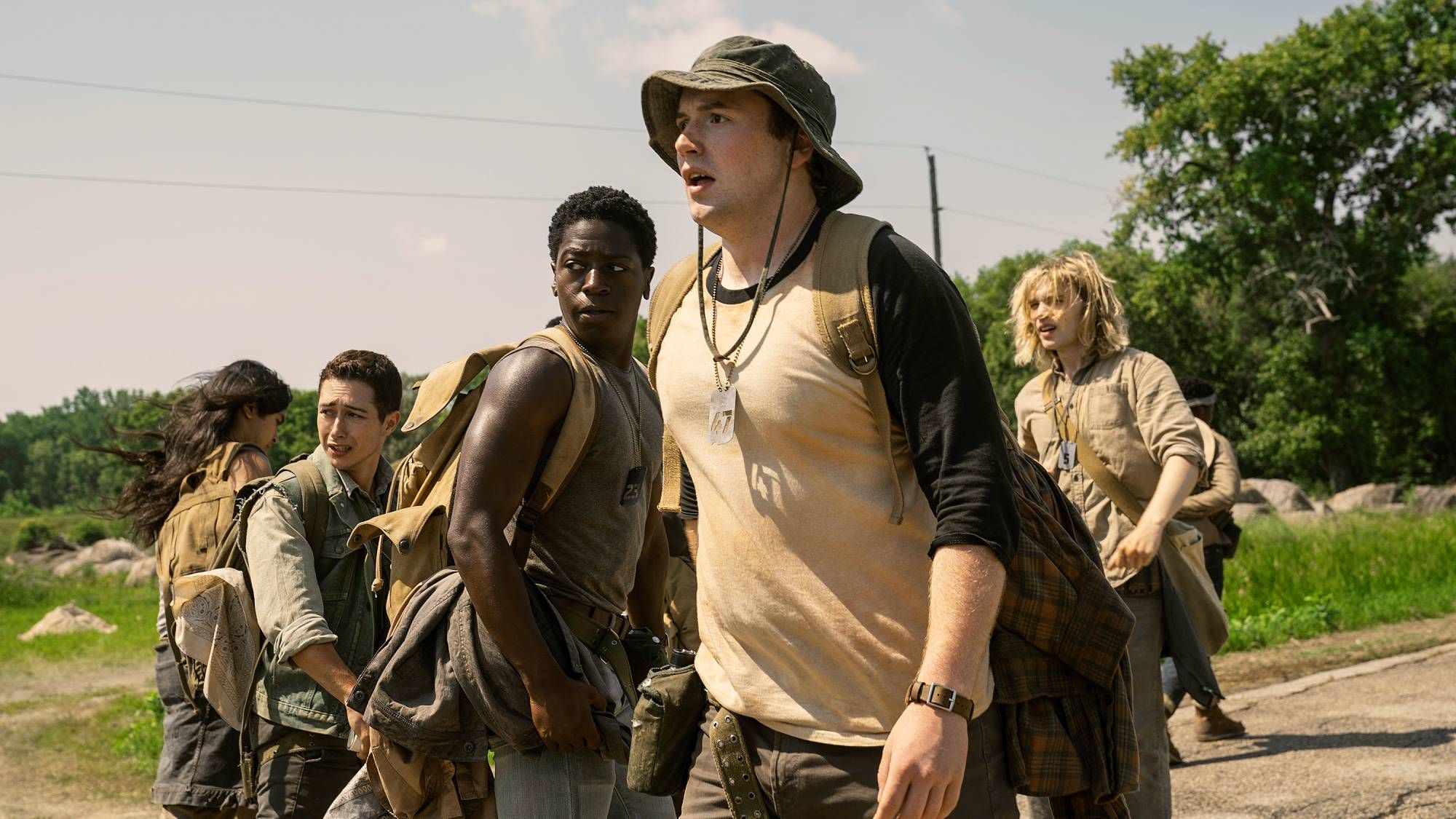
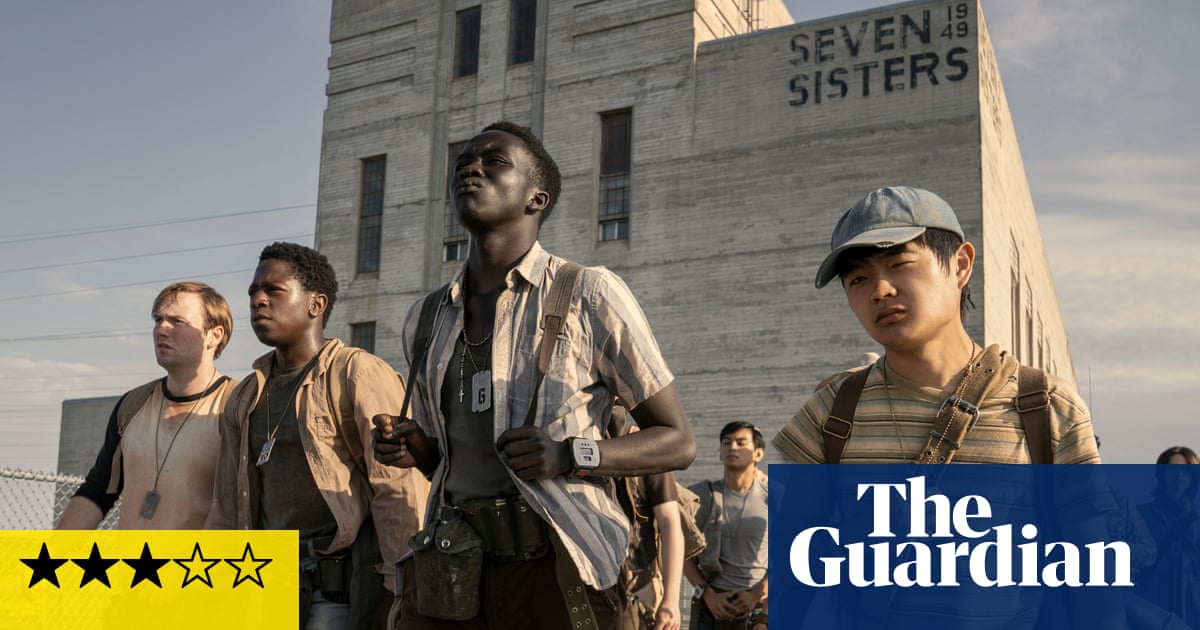
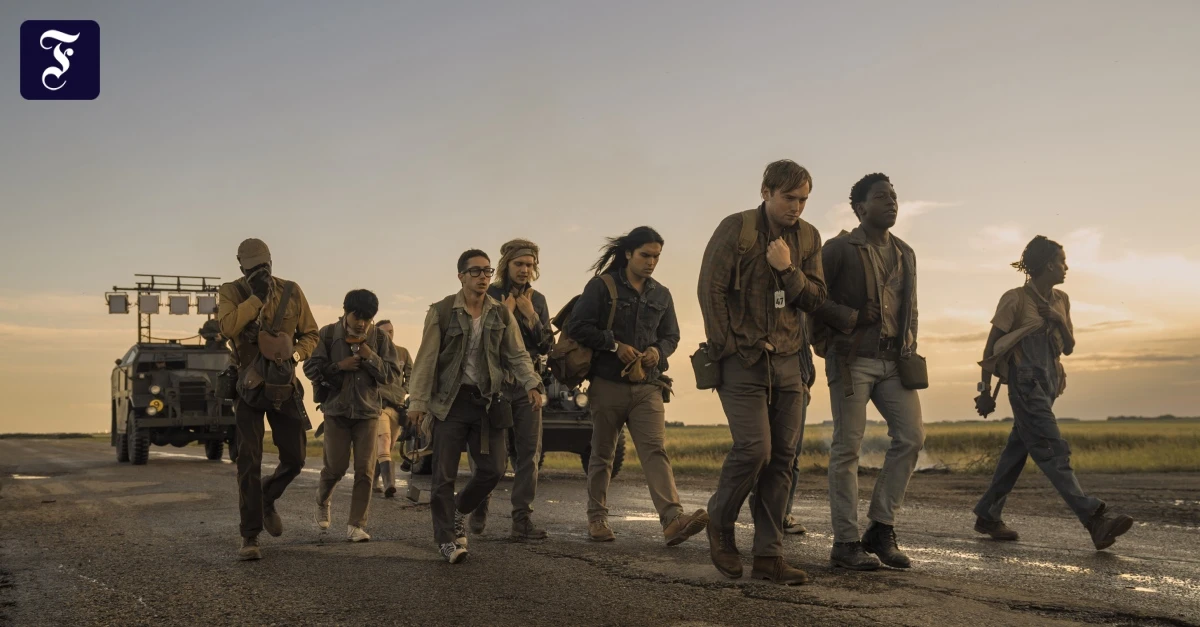
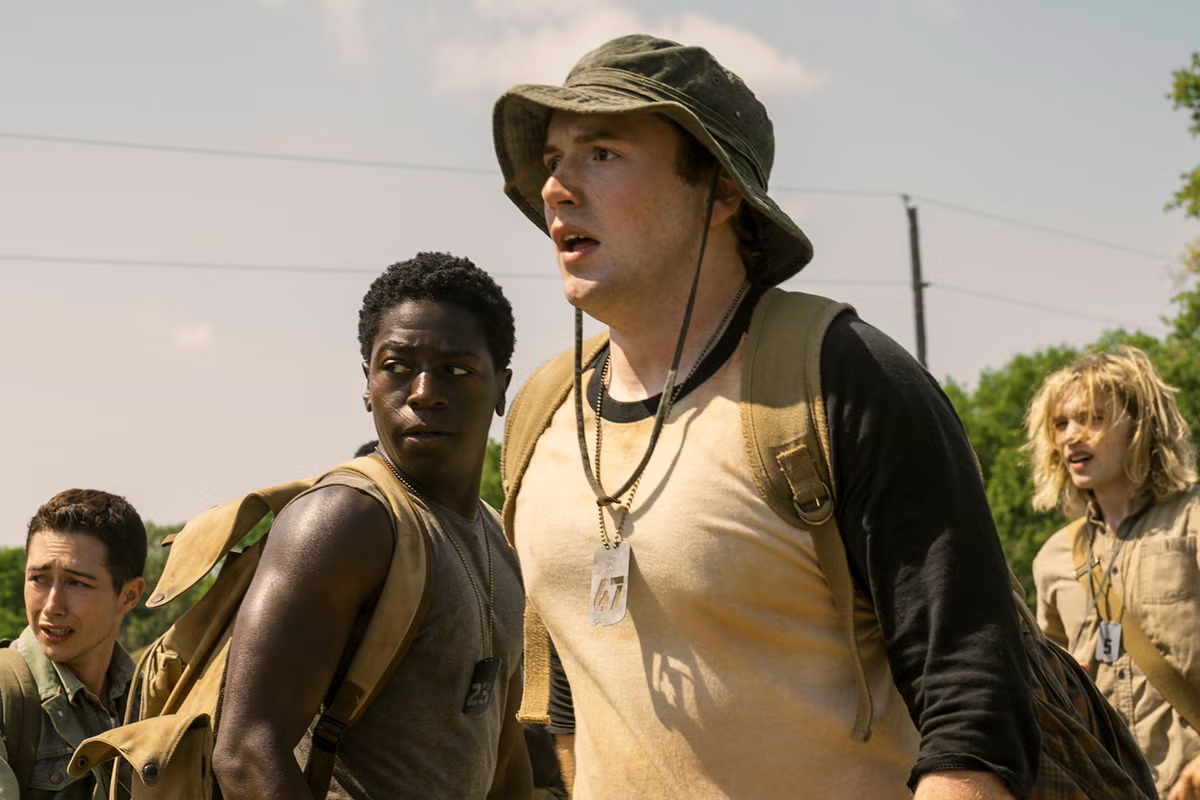
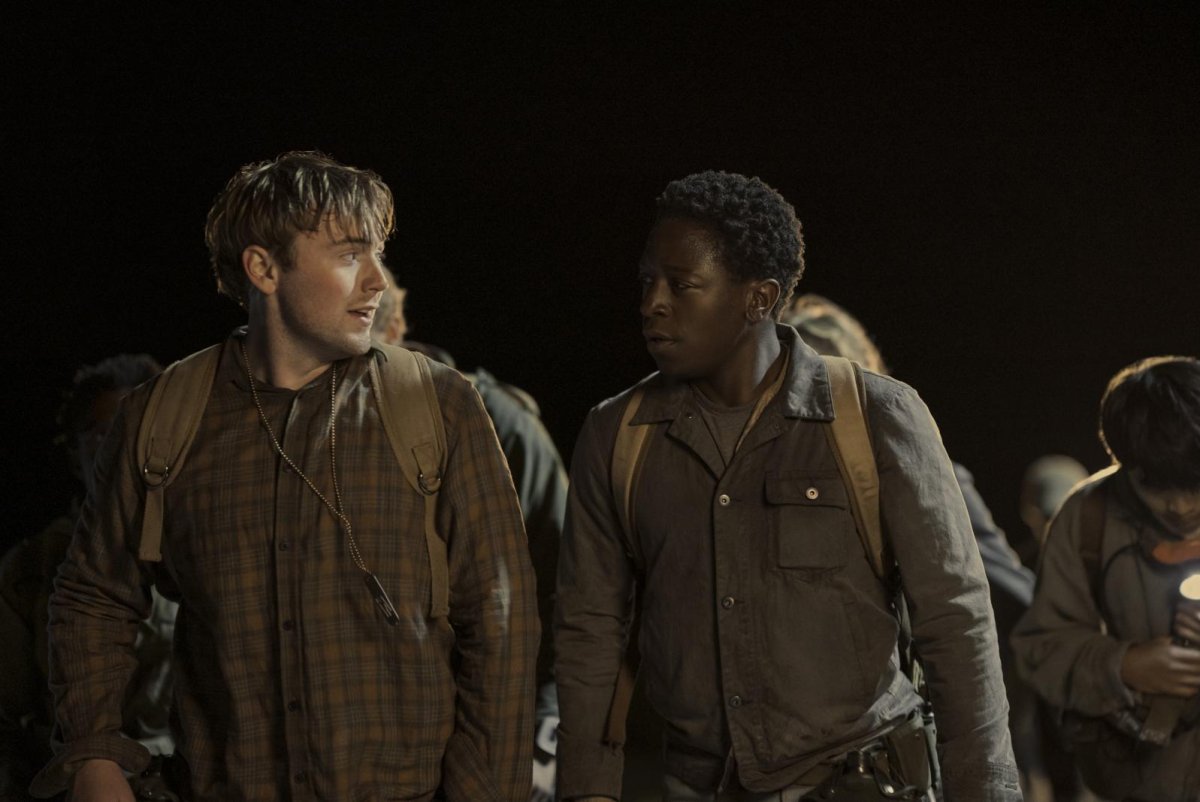
Ray Garraty (Cooper Hoffman) enters the contests despite his mother Ginny's (Judy Greer) tearful objections. The film focuses on Ray's walk with Peter McVries (David Jonsson) and the other 48 contestants, who occasionally keep pace, move ahead or trail behind.
The idea of a society so desperate to escape financial straits that people would risk almost certain death for a small chance of erasing debt and lifting one's station might seem more believable in 2025 than it did in the '70s. Some enter the race confident they can win, while others enter sure they will not.
Like King's novel, JT Mollner's film adaptation explains the rules up front. The Major (Mark Hamill) instructs the walkers their pace must be kept above 3 miles per hour and they must remain on the paved road.