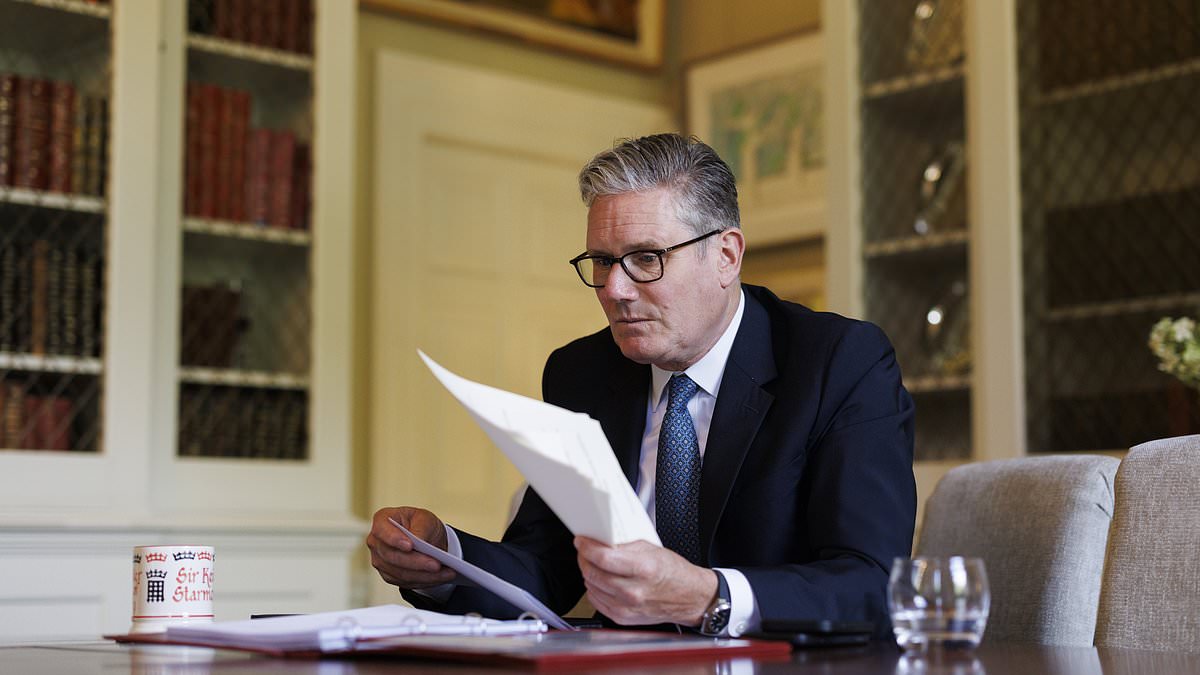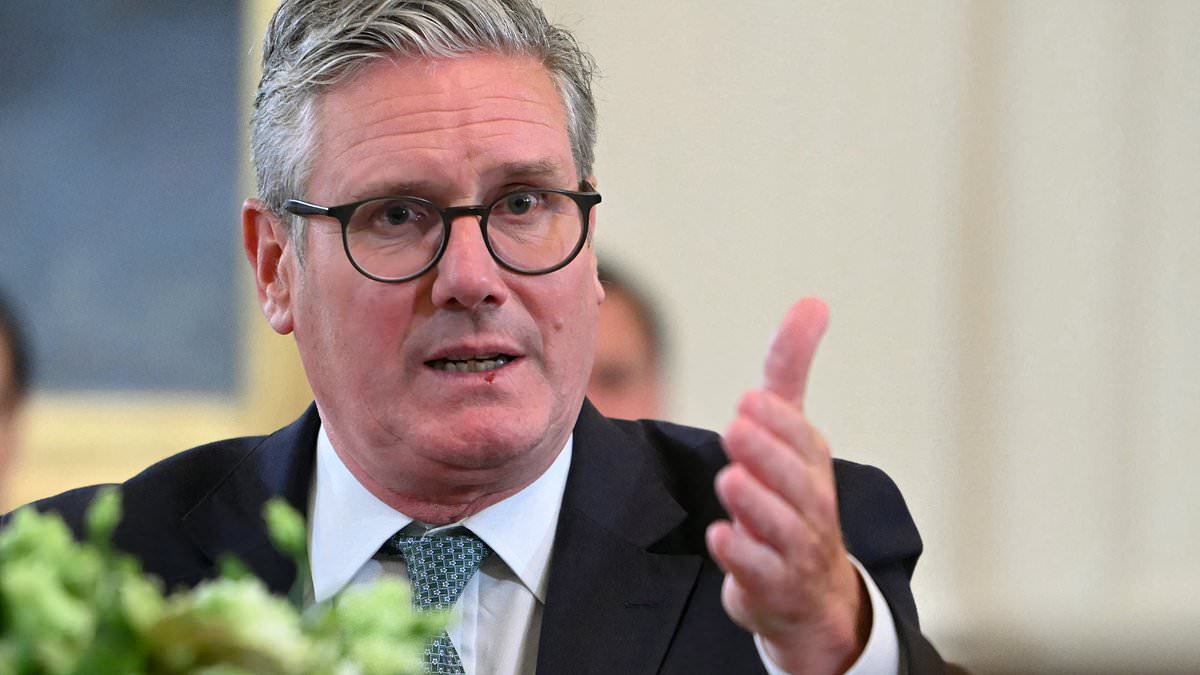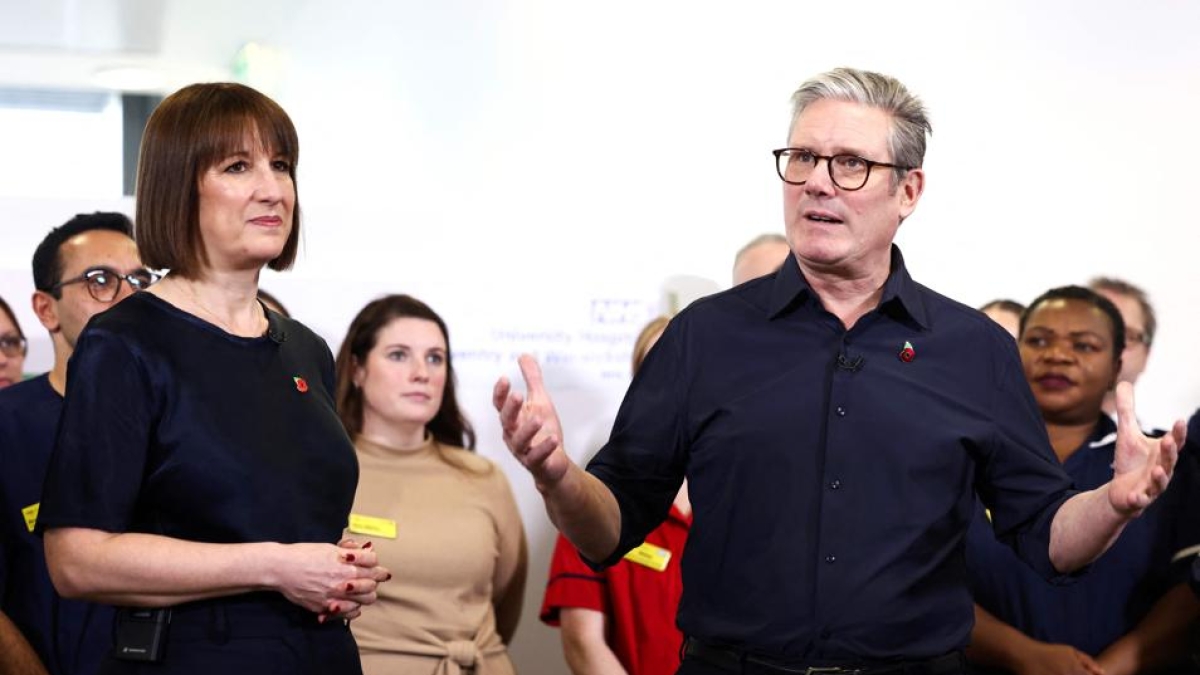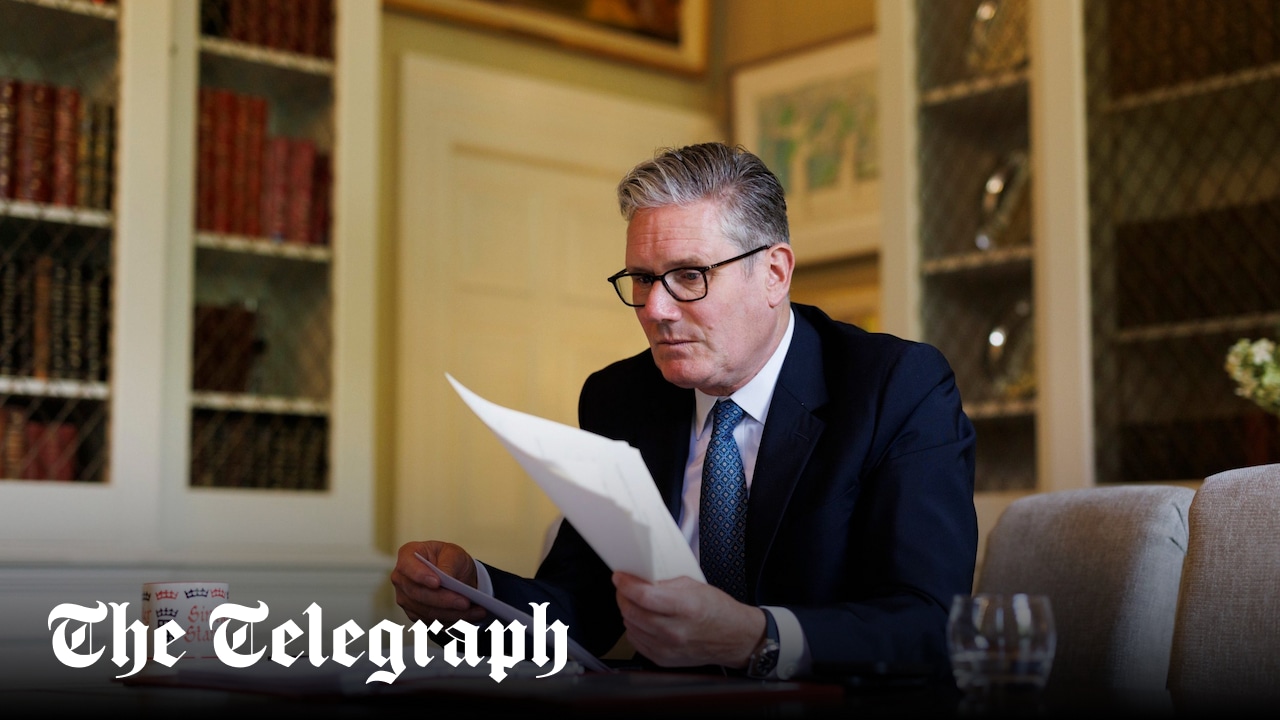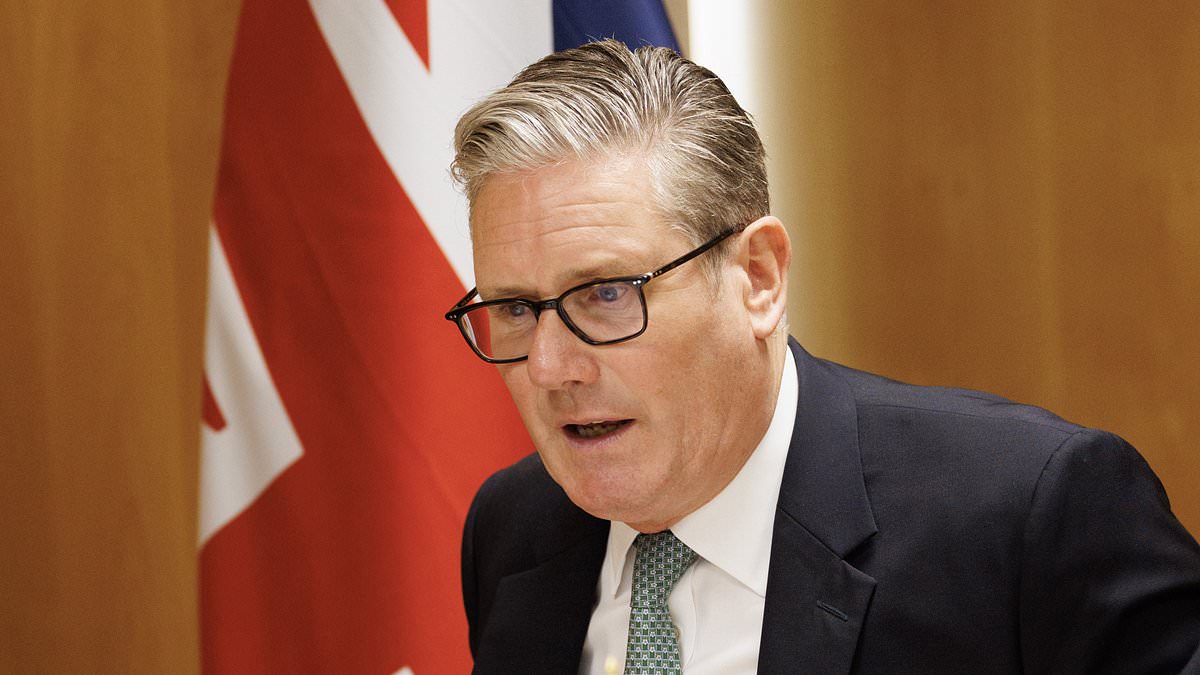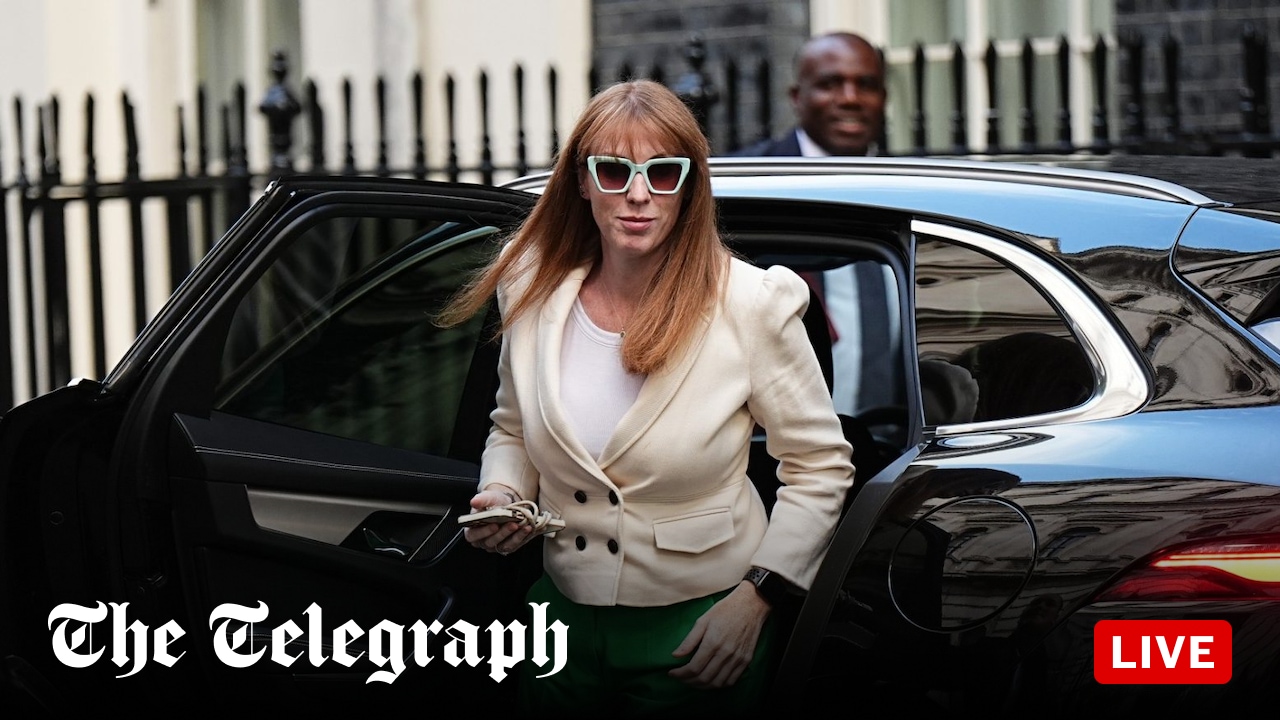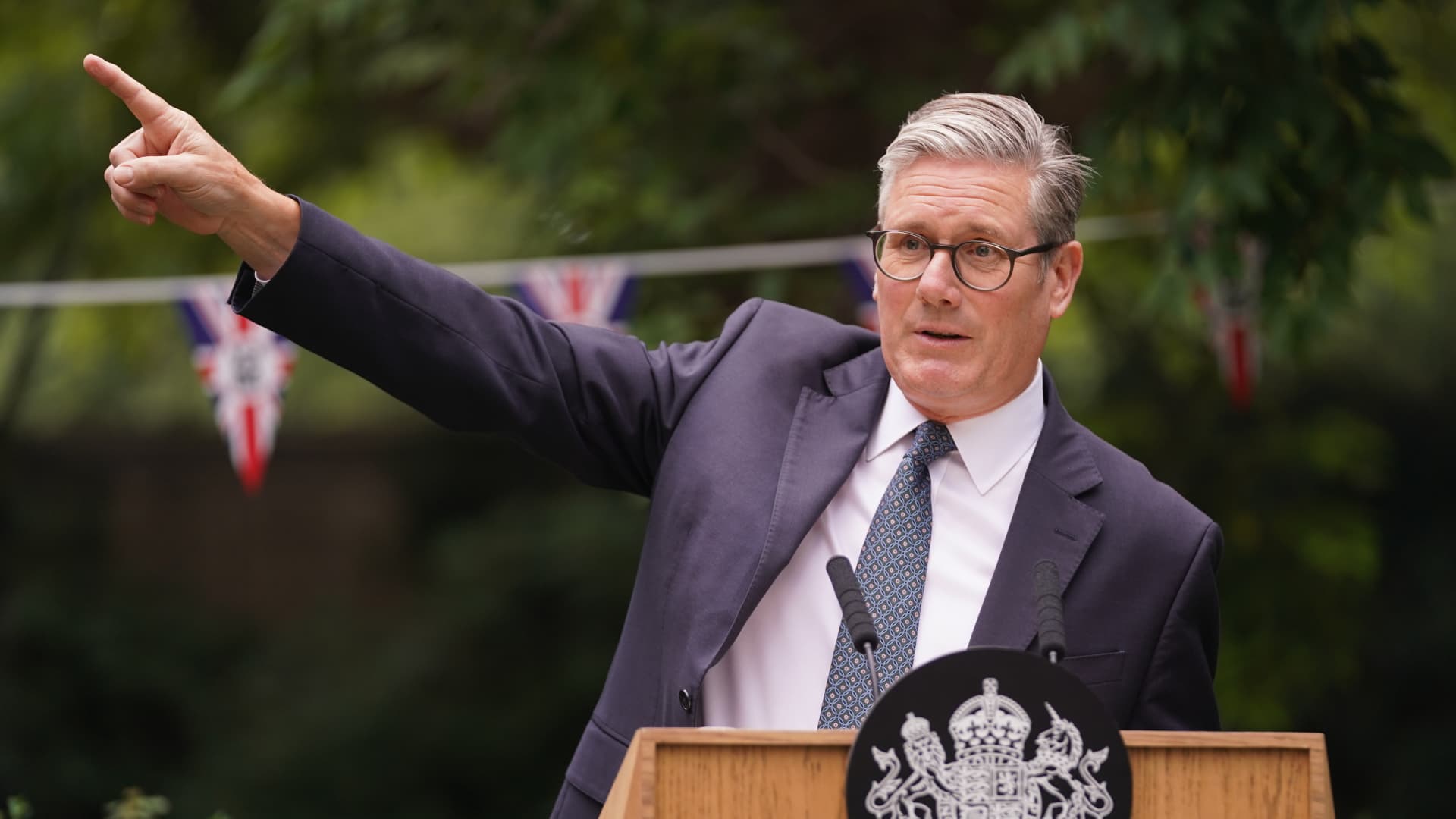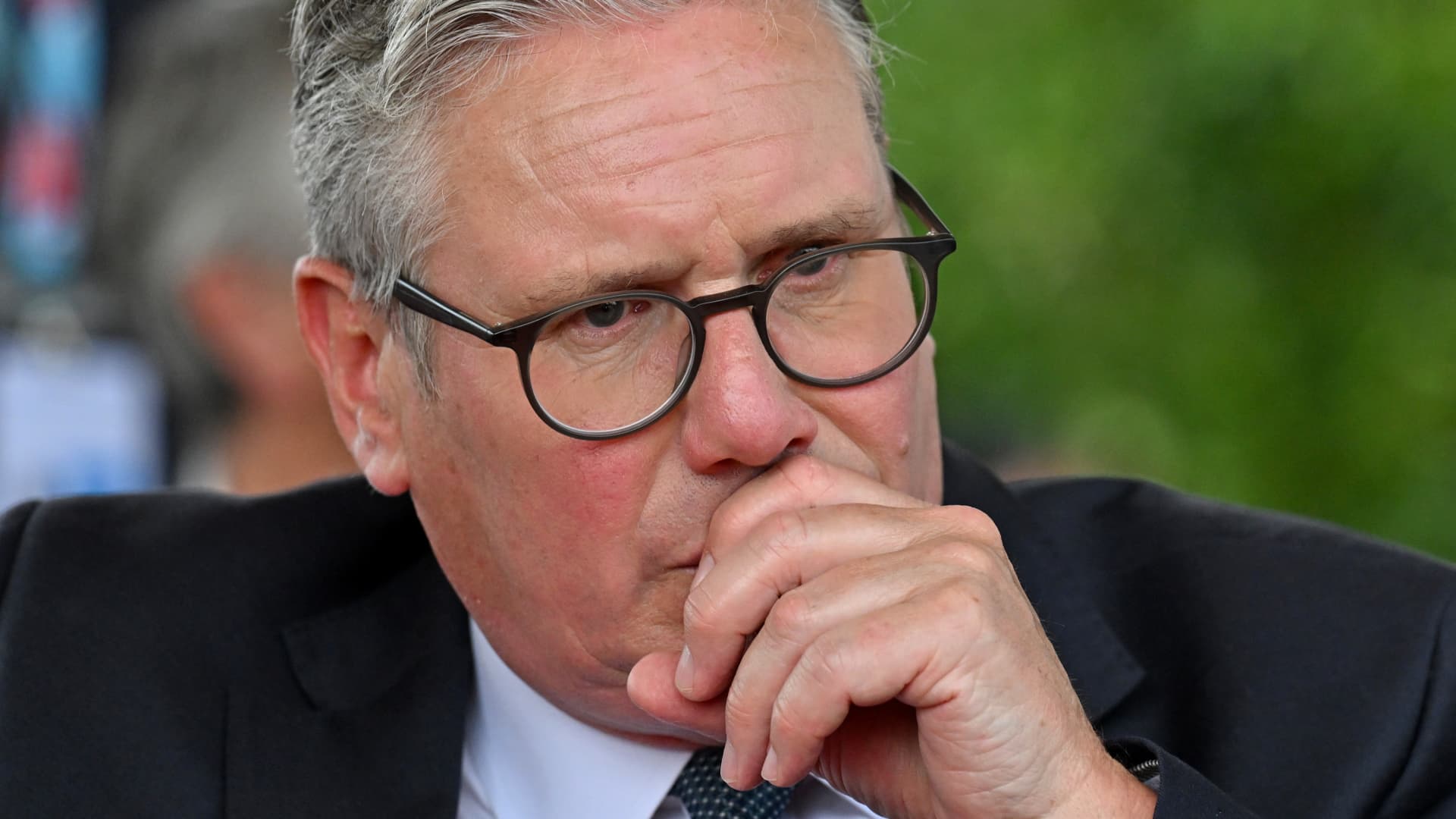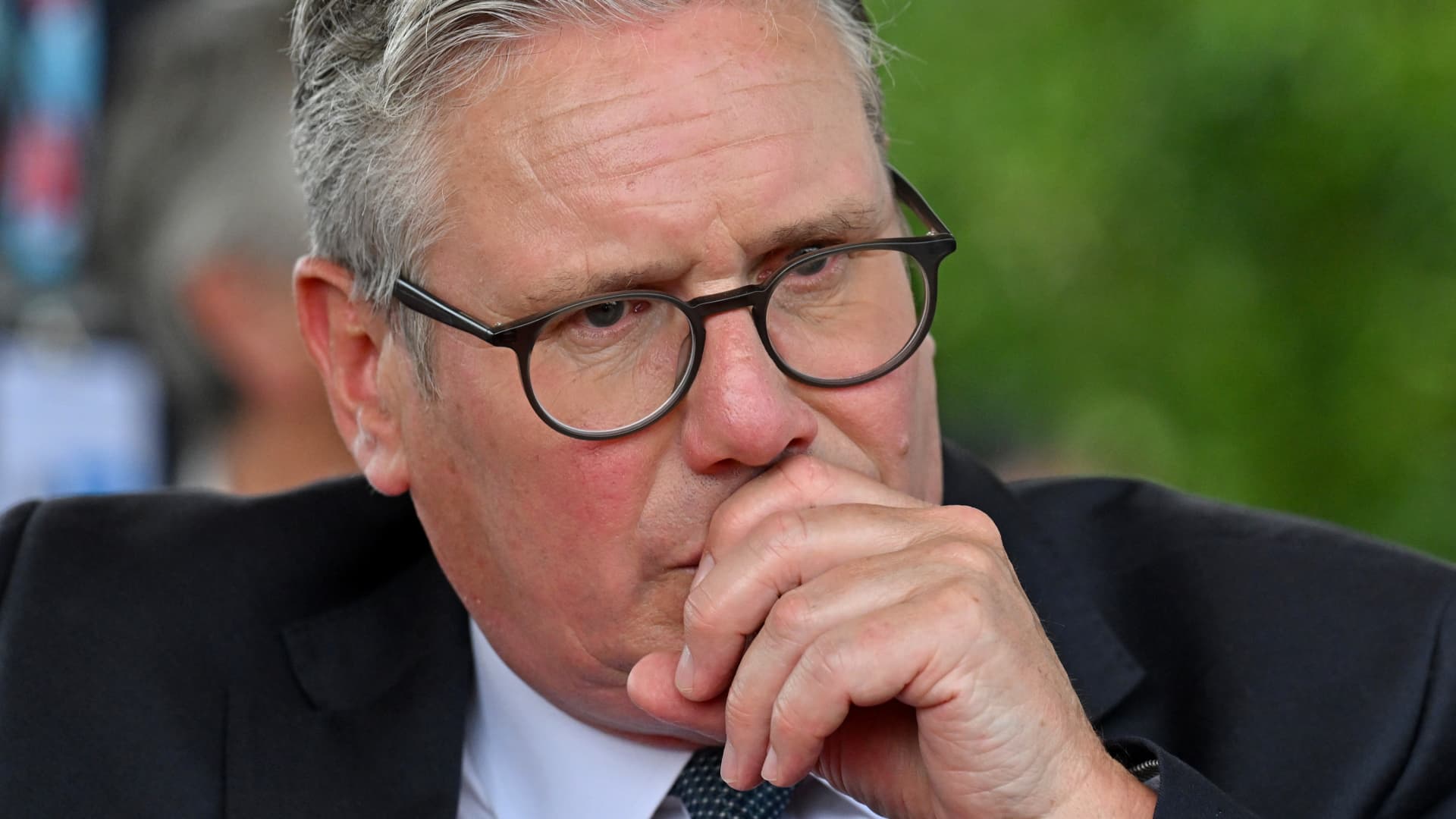
Smoke signals came out of U.K. Prime Minister Keir Starmer’s office in Downing Street this week, after a shake-up in his and Finance Minister Rachel Reeves’ top advisory teams. Analysts now say the move mark an urgent attempt to boost the government’s economic credentials ahead of a tricky Autumn Budget.
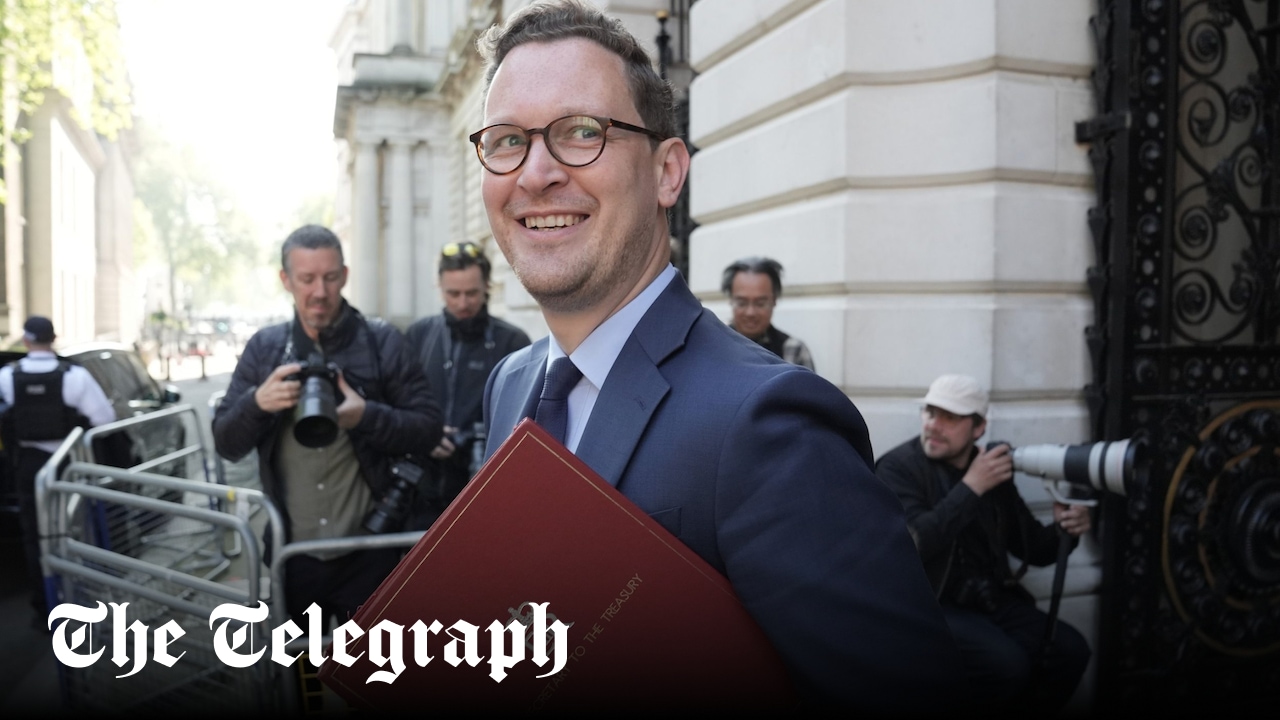
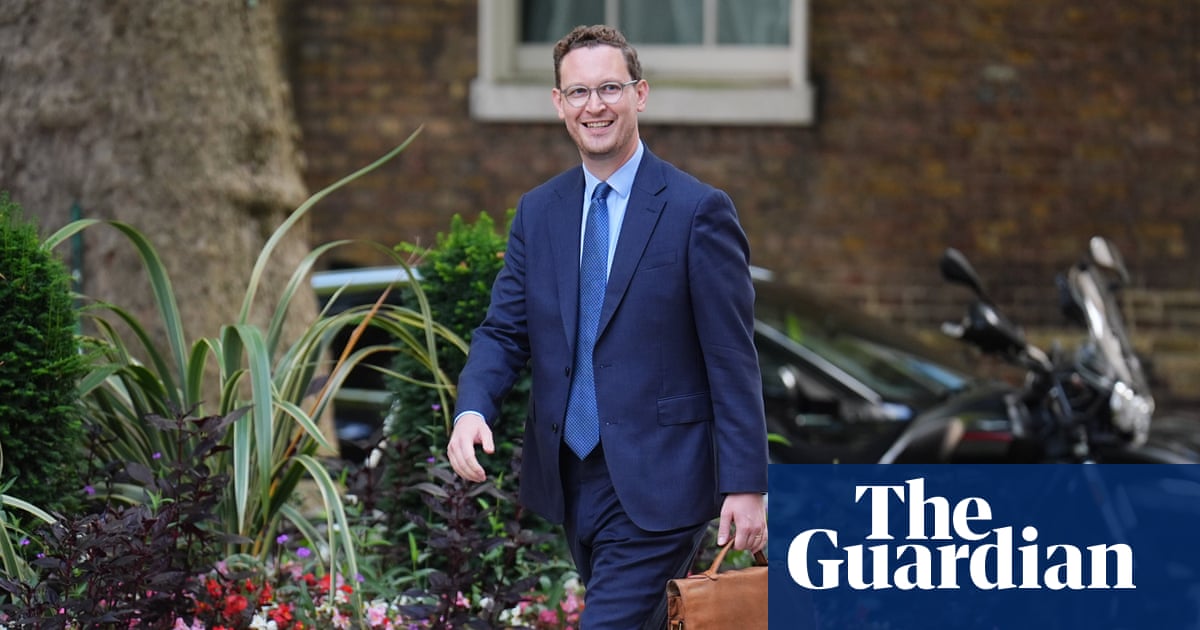
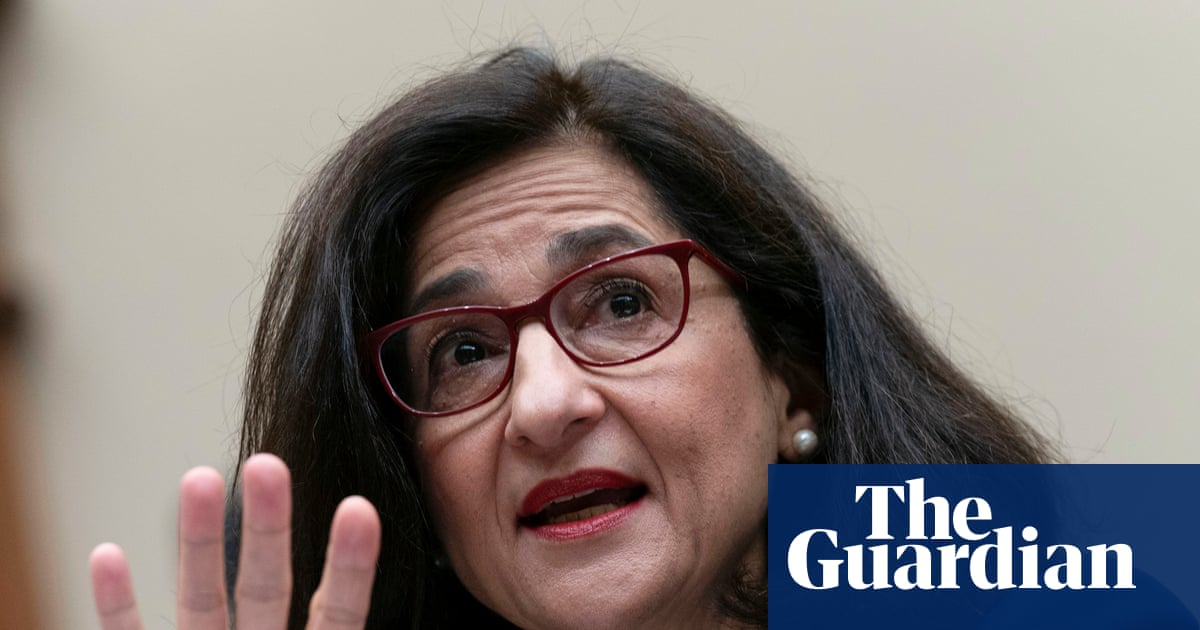
Among the most prominent shifts were the appointment of the Bank of England’s former Deputy Governor Minouche Shafik as Starmer’s chief economic adviser. Starmer also moved Darren Jones — who was previously effectively Reeves’ deputy — Downing Street to become the PM’s chief secretary.
The operations shake-up has been widely interpreted as a humiliation for Reeves and a bid by Starmer to get things moving for a government that has promised to deliver change and economic growth for the British people. It also comes as the government’s approval rating wallows at 13% (with 67% of respondents disapproving), according to YouGov data.
The next big test for Starmer and Reeves comes later this fall, with the release of the the next Autumn Budget that sets out plans for the economy, taxation and spending.
After outlining wide-ranging public spending plans and announcing fiscal rules on reducing debt and constraining borrowing, Reeves is widely expected to raise taxes in her bid to stick to her self-imposed fiscal rules and balance the budget.