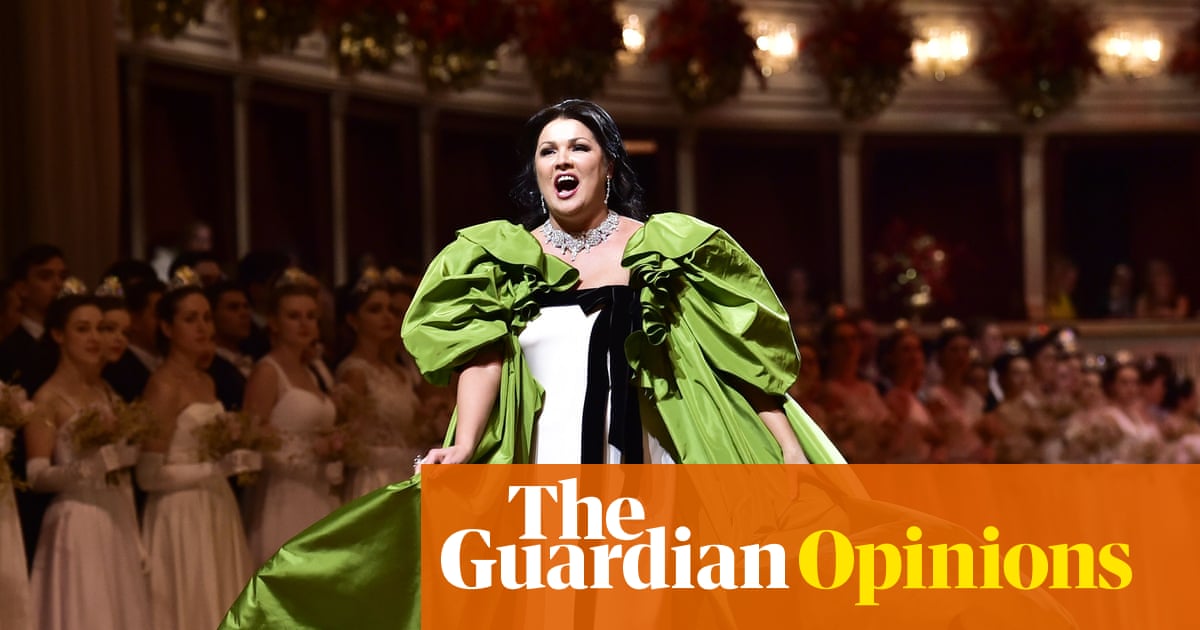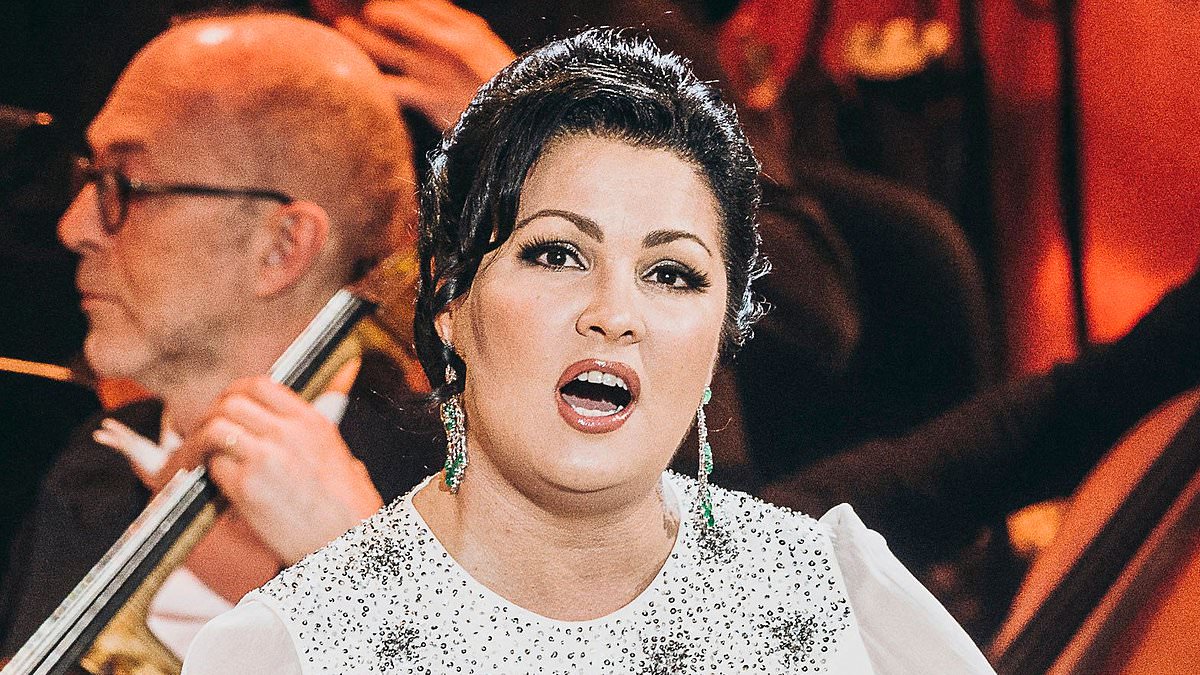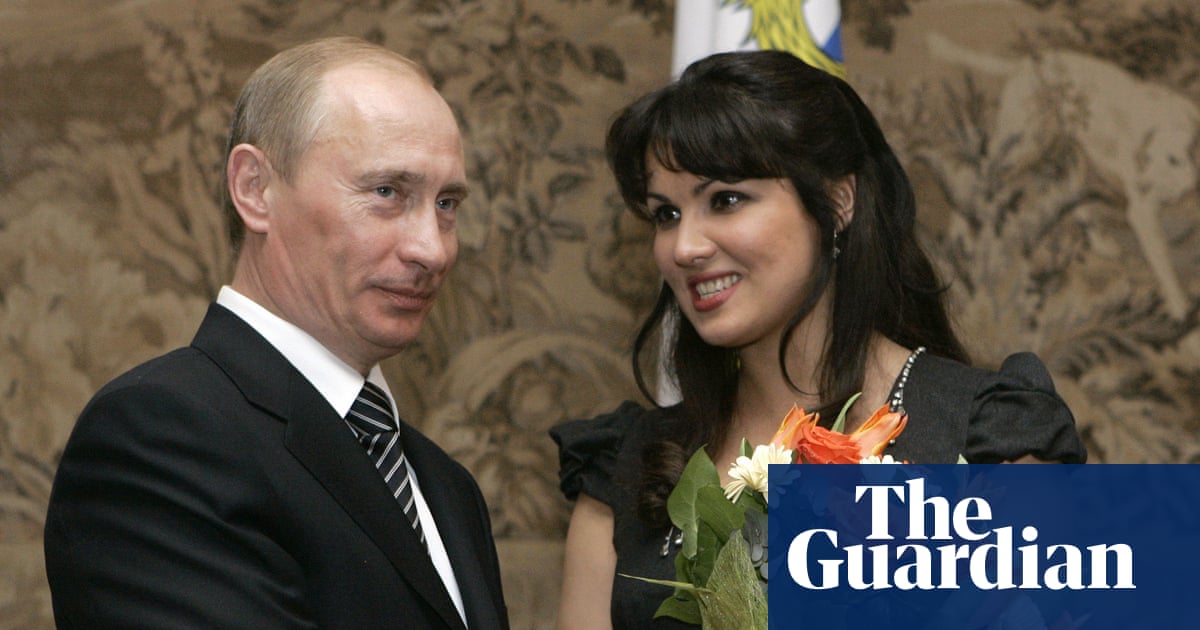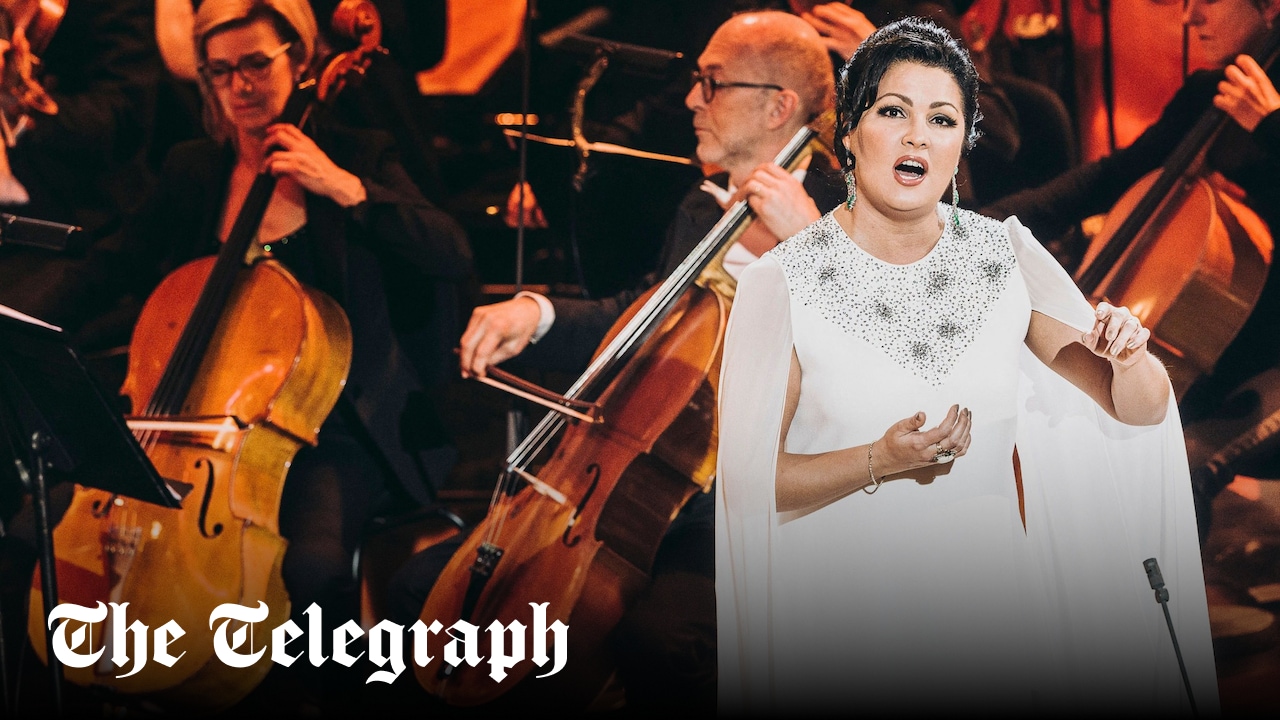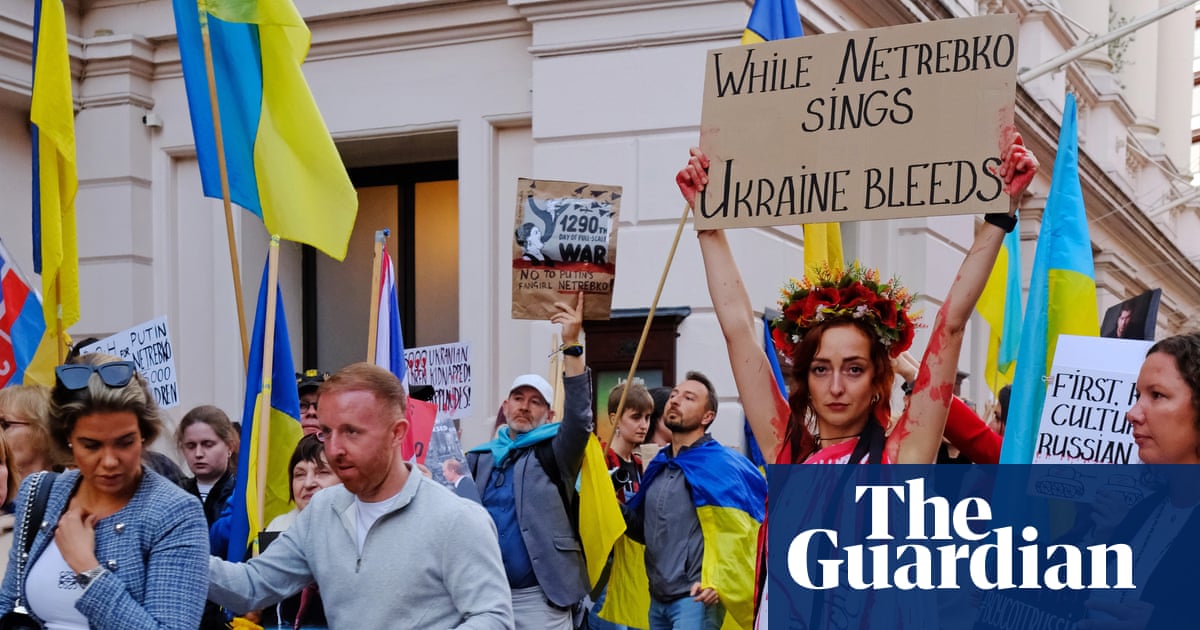
The arts and politics are bound to mix, but they are not the same thing. In the cold war, Soviet artists performed in the west. Should the Russian soprano, who has condemned the Ukraine invasion, be blocked from singing in London?
I
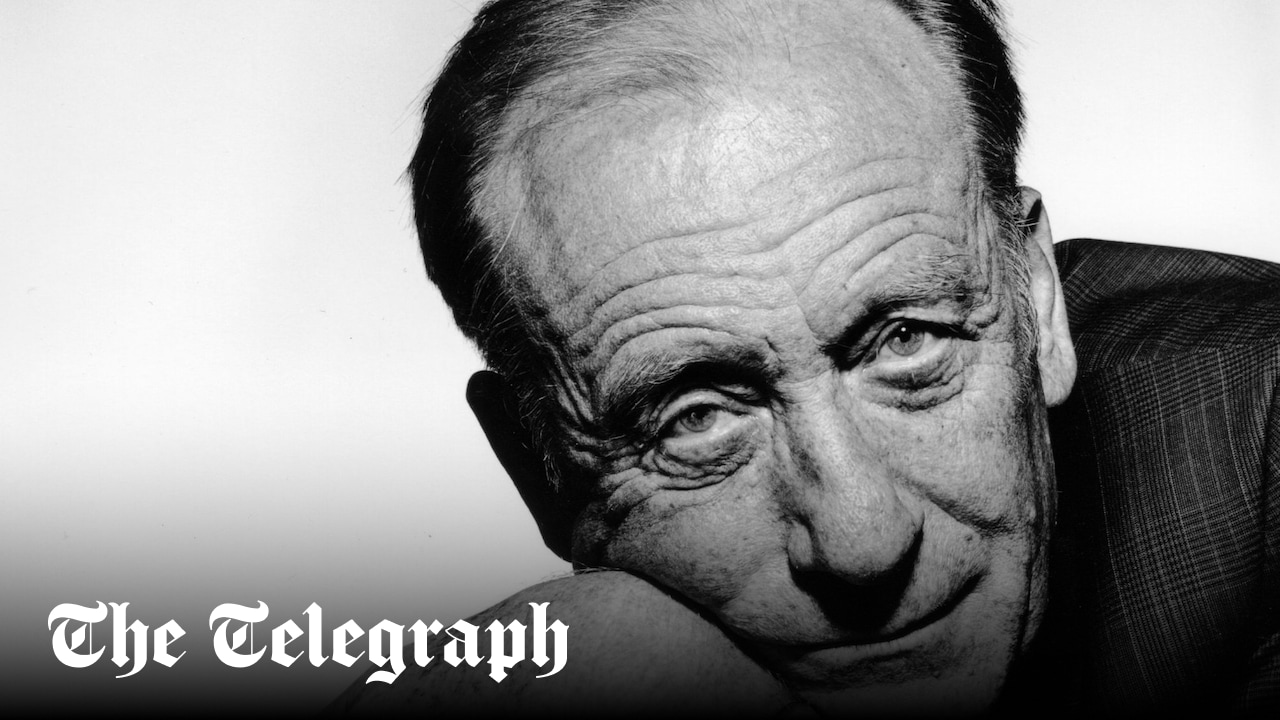
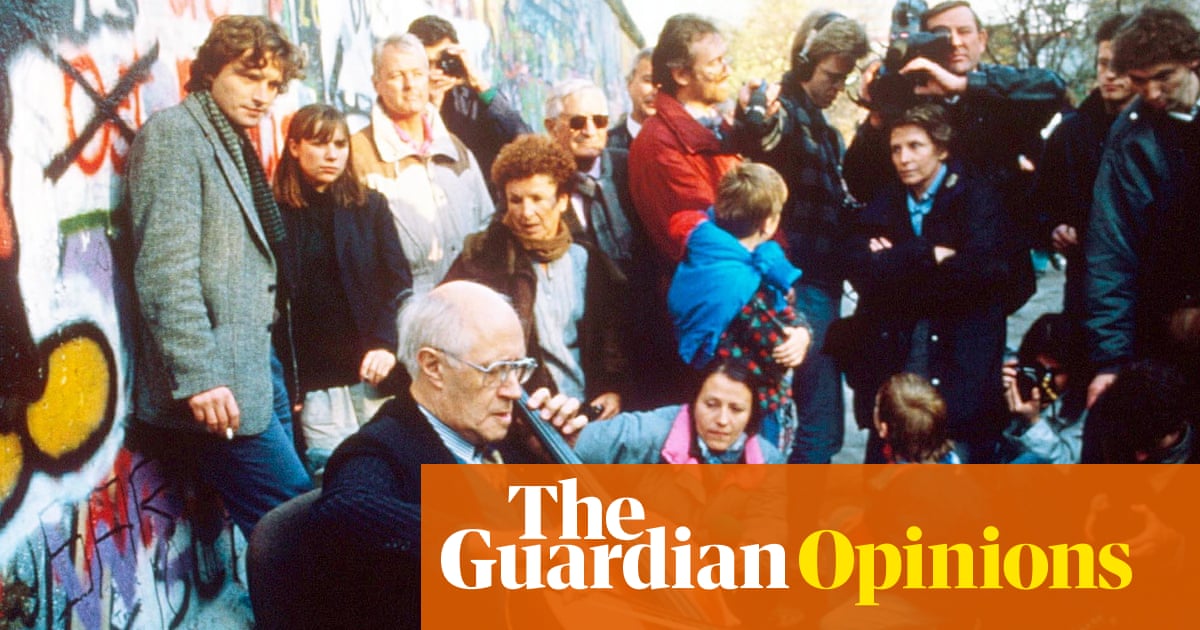
t is one of my very earliest concert memories. In October 1965, my father drove us to Manchester to hear Mstislav Rostropovich play in the Free Trade Hall. Rostropovich played Dvořák’s cello concerto with the Moscow Philharmonic, who began the concert with a symphony by Tikhon Khrennikov and ended it with one by Brahms. I was smitten by Rostropovich’s noble playing. I had never heard a musician like him before.
This was, though, a concert taking place slap-bang in the middle of the cold war. The Cuban missile crisis had taken place less than three years earlier. The Berlin Wall was still fairly new. The Vietnam war was deepening. That summer I had read The Spy Who Came in from the Cold. The movie version of Le Carré’s novel, with Richard Burton, was due out by the year’s end.
So a concert visit by a Soviet orchestra, opening their programme with a piece by a notorious Soviet cultural apparatchik, and featuring a superstar cellist whose oppositional support for human rights was at that stage not widely known, certainly not by me, but whose biography casually mentioned his award of a Stalin prize, was a freighted event. It could have been depicted as a visit from the enemy, and certainly as a political act as well as an artistic one.