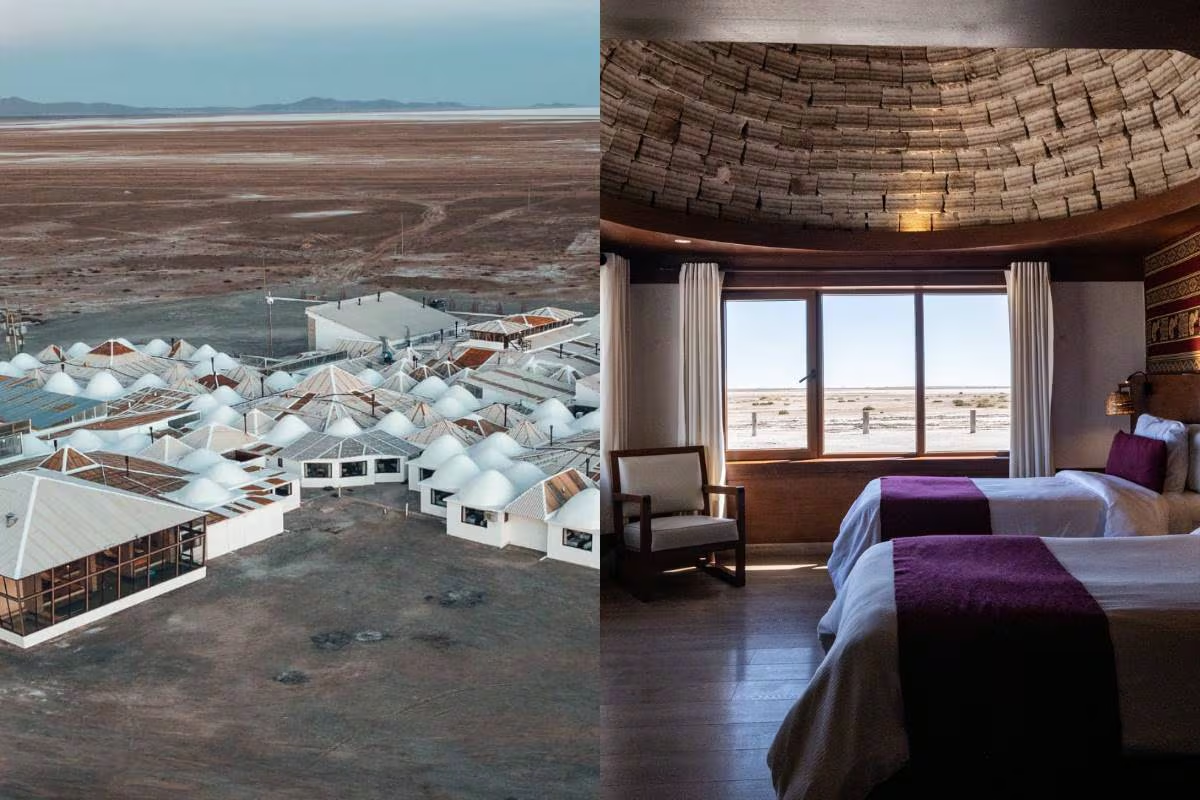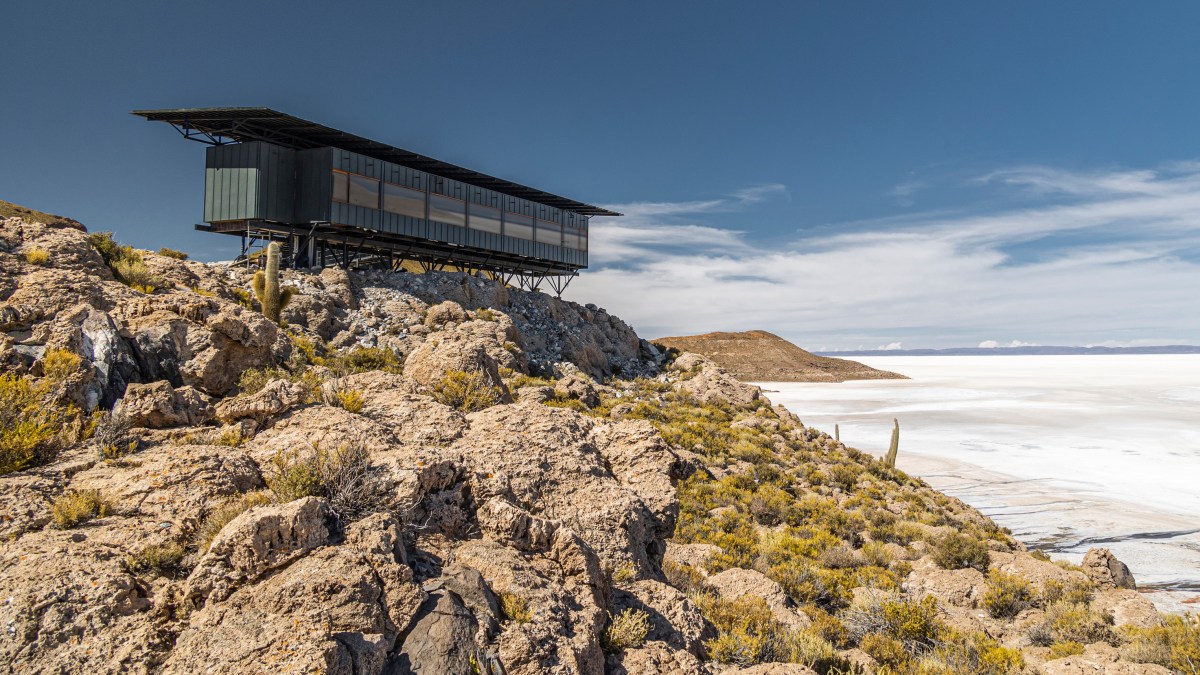
It was 11pm, and although I was tucked up in one of the most comfortable beds imaginable in Bolivia’s newest luxury lodge, Jirira, I just couldn’t sleep.
My body, unaccustomed to being at 3,700m above sea level on the Bolivian Altiplano, had been behaving strangely all day: my heart thundering, my head thudding, my lungs panting. But that night it wasn’t just me that seemed topsy-turvy. Looking out from my window, on a hillside above the Uyuni Salt Flats, the world outside felt like it was too.
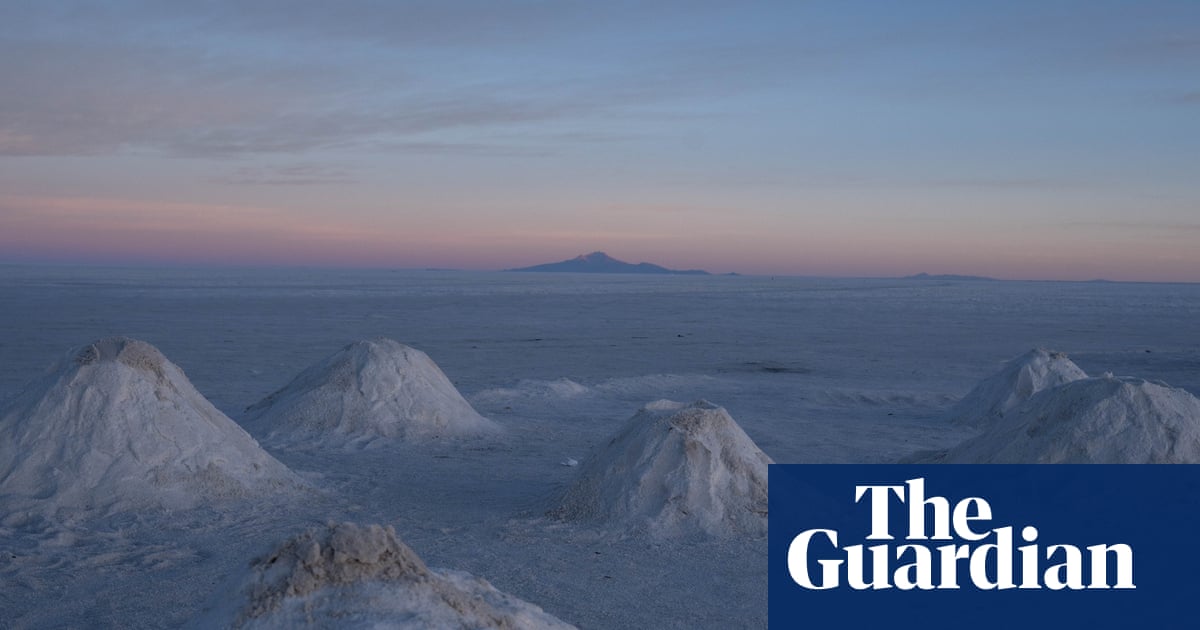
For a start, thanks to millions of glimmering stars outside — including Sirius, whose celestial beams were so clear that my sheets glowed white — it looked as if it was day, with star beams illuminating the huge green arms of a prickly cactus and lighting up bluey volcanoes on the horizon. Above, galaxies looked as if they were right above my head: the giant purple and gold ribbons of the Milky Way twirling amid clouds of twinkling silver. And out in front lay the Uyuni Salt Flats, shimmering in the starlight like an infinite snowfield or a moonscape, an eerie landscape of white.
It wasn’t just the look of it all but the make-up that was befuddling: the fact that this great white expanse looked like snow but was in fact billions of tonnes of compressed sodium chloride; that aeons ago this was the site of a prehistoric lake estimated to have been 100m deep, now gone; and that although it was freezing cold, many of the surrounding volcanoes spewed hot sulphurous gas and gurgling boiling mud. I didn’t need to sip local coca tea to feel as if I was on one mind-bending trip. My brain had already been blown.