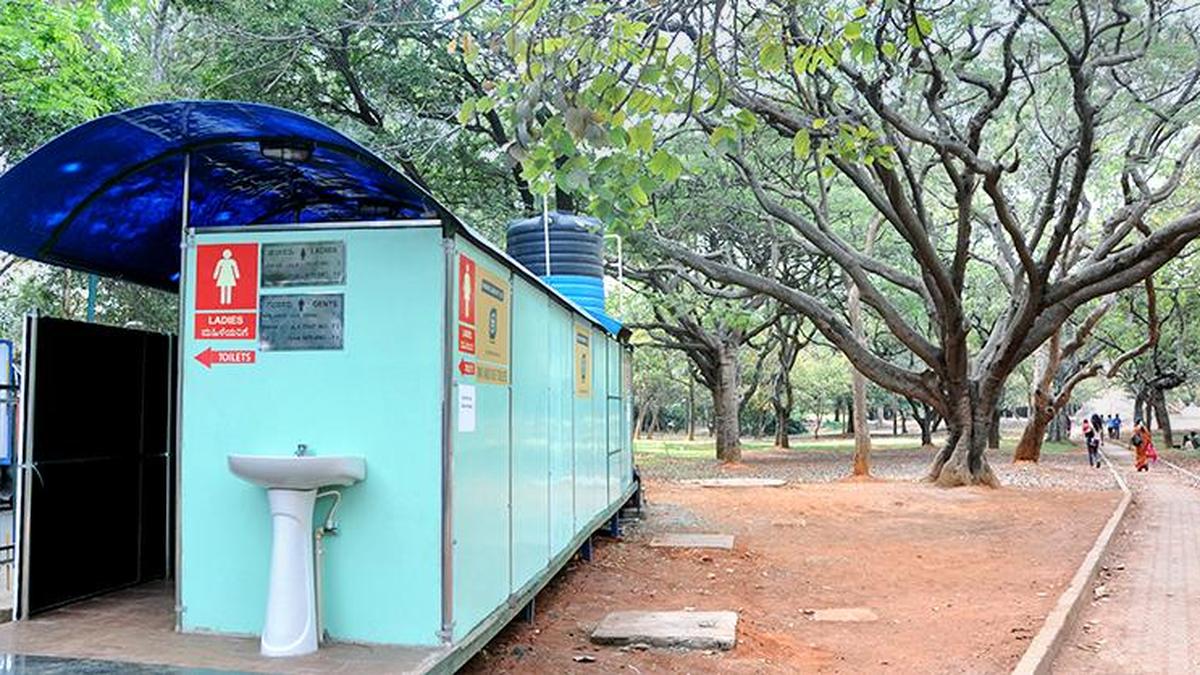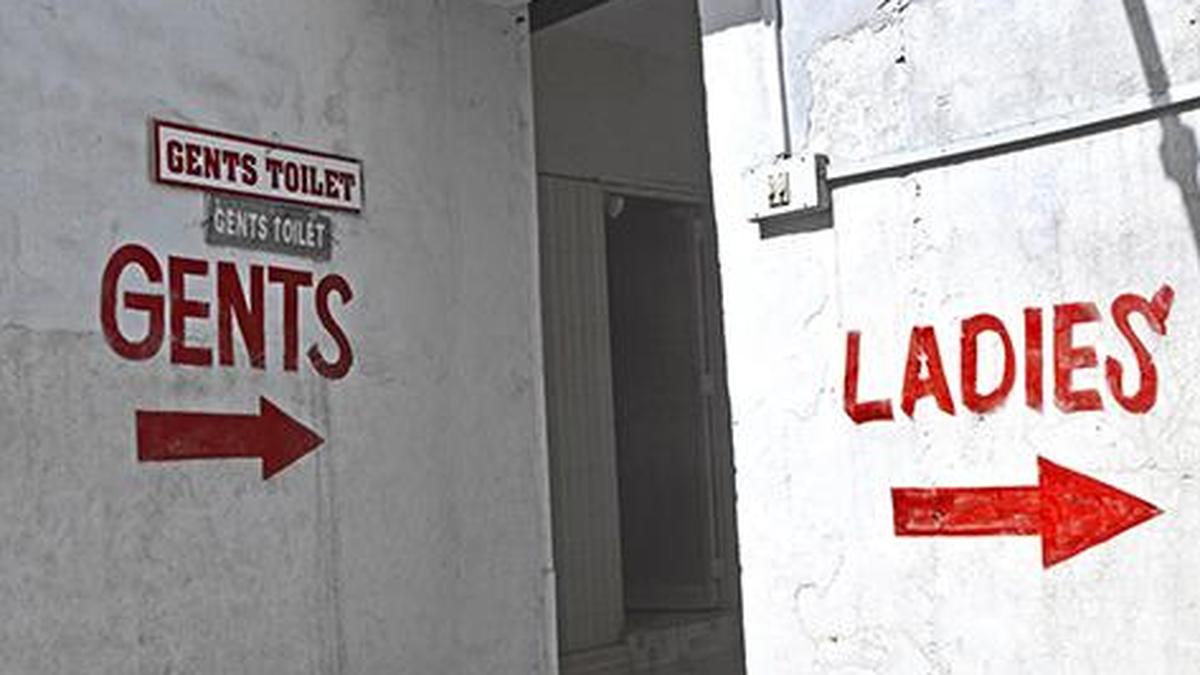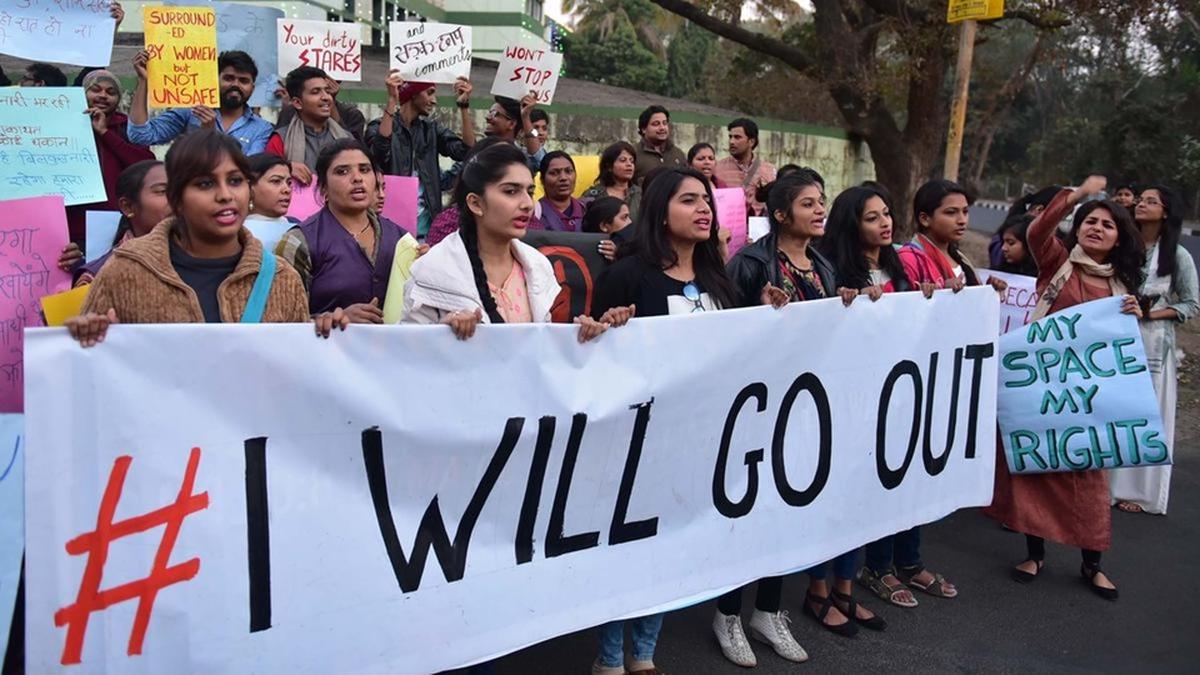
A report on the access of women to public toilet infrastructure in Kolkata have revealed a stark spatial disparitysuggesting an infrastructural bias that favours more affluent areas over lower-income neighbourhoods.
The report titled “Status of Public Toilets for Women and Trans Queer Persons in Kolkata” pointed out that out of 144 wards in Kolkata Municipal Corporation, at least 23 wards had no access to public toilets for women. The wards where the researchers found absence of any toilet facilities were often characterised by lower-income populations with significant concentrations of marginalised communities, including Muslims and Scheduled Castes (SCs).