Research shows arrhythmogenic cardiomyopathy can be detected up to five years before diagnosis by other means
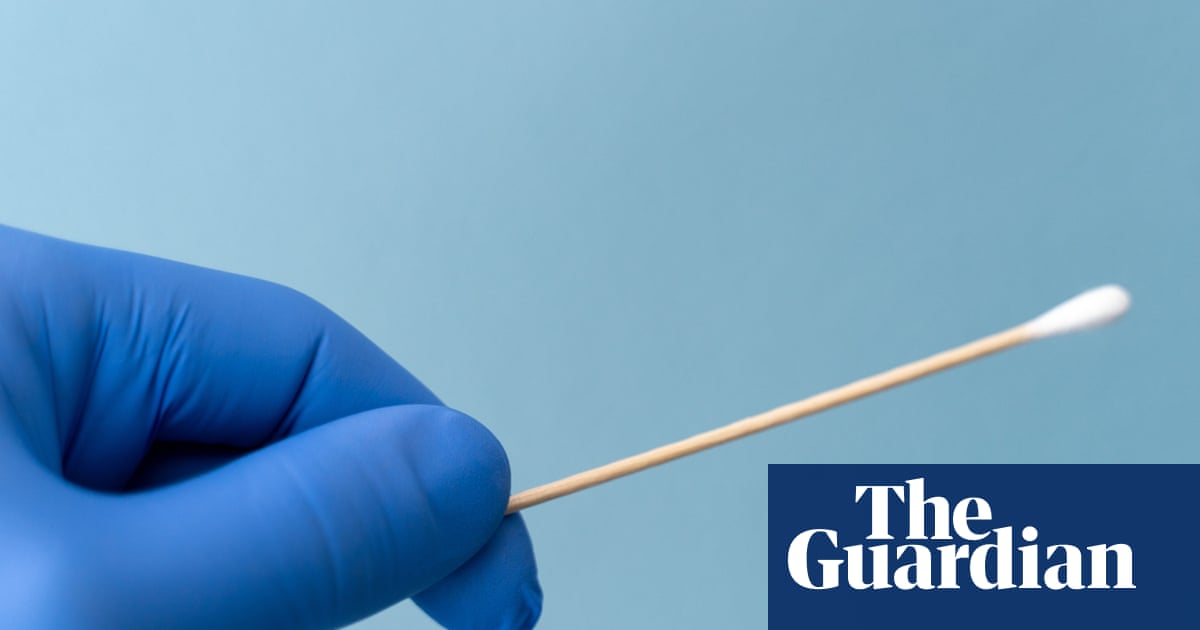
A simple cheek-swab test can identify children with a potentially deadly heart condition, five years before they would normally be diagnosed, research has found.
Arrhythmogenic cardiomyopathy (ACM), which is typically genetic, is responsible for more than 10% of sudden cardiac deaths in children.
The condition is caused by abnormalities in the proteins between heart cells, which lead to problems in the structure and electrical activity of the heart. ACM can often develop and strike without warning.
But research shows abnormalities in the proteins can also be seen in the lining of the cheeks, which can reveal what is happening in the heart. Now doctors have developed a two-minute cheek swab to detect ACM up to half a decade before a child may otherwise be diagnosed.