https://arab.news/4nm9u
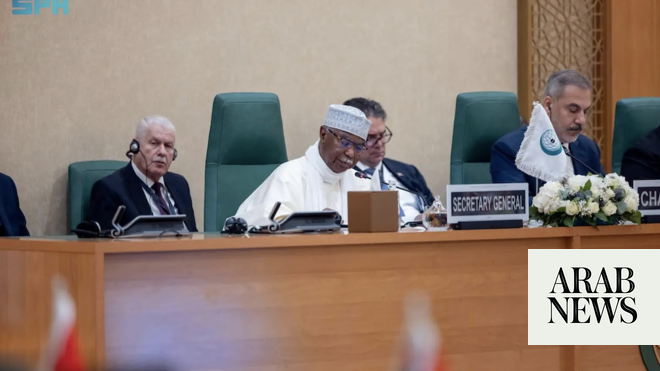
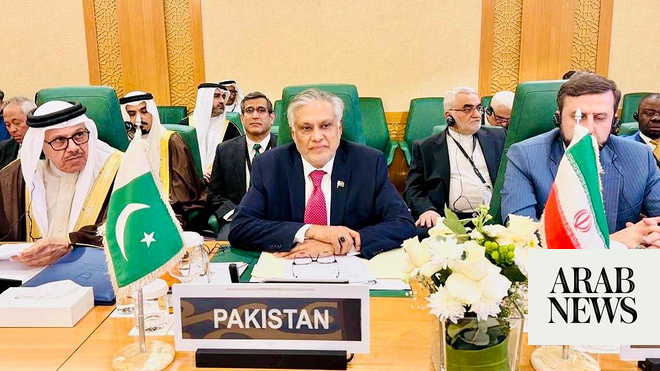
The emergency session of Organization of Islamic Cooperation foreign ministers held in Jeddah last Monday transcended routine diplomatic proceedings. Convened during one of the Gaza war’s most brutal chapters, the gathering highlighted how Palestinian affairs have evolved beyond regional politics into a litmus test for the global commitment to justice and legal principles.
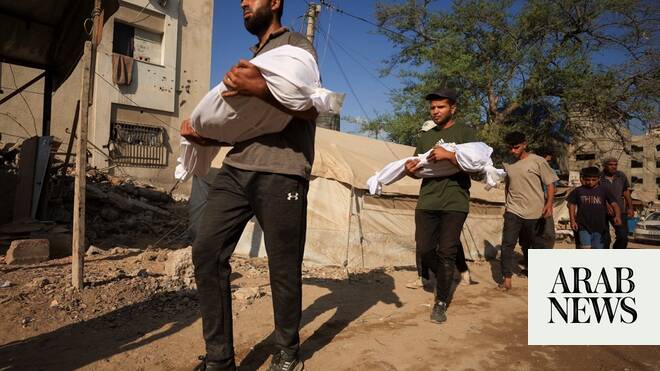
The summit’s closing declaration employed unusually blunt language, denouncing “Israeli schemes for the total occupation and military dominance of Gaza,” while characterizing “blockades, forced starvation and mass expulsions as severe breaches of humanitarian law constituting war crimes, crimes against humanity and genocide.” Beyond demanding the immediate cessation of hostilities and unrestricted humanitarian corridor access, delegates called for sanctions and Israel’s UN suspension — language reflecting documented legal assessments rather than political rhetoric.
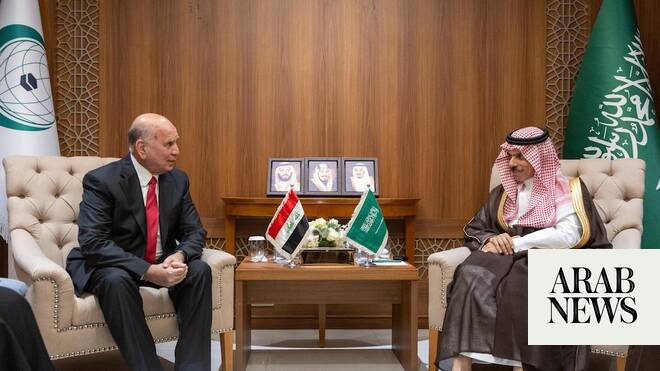
Saudi Arabia assumed a pivotal conference role. Foreign Minister Prince Faisal bin Farhan condemned the “occupation forces’ most abhorrent practices, including murder, starvation and forced displacement,” and demanded “the termination of Gaza’s siege and urgent, adequate crossing openings for relief supplies.” He rejected the “Greater Israel concept,” while reaffirming the Kingdom’s commitment to “Palestinians’ historic right to statehood within the 1967 boundaries with East Jerusalem as capital.”