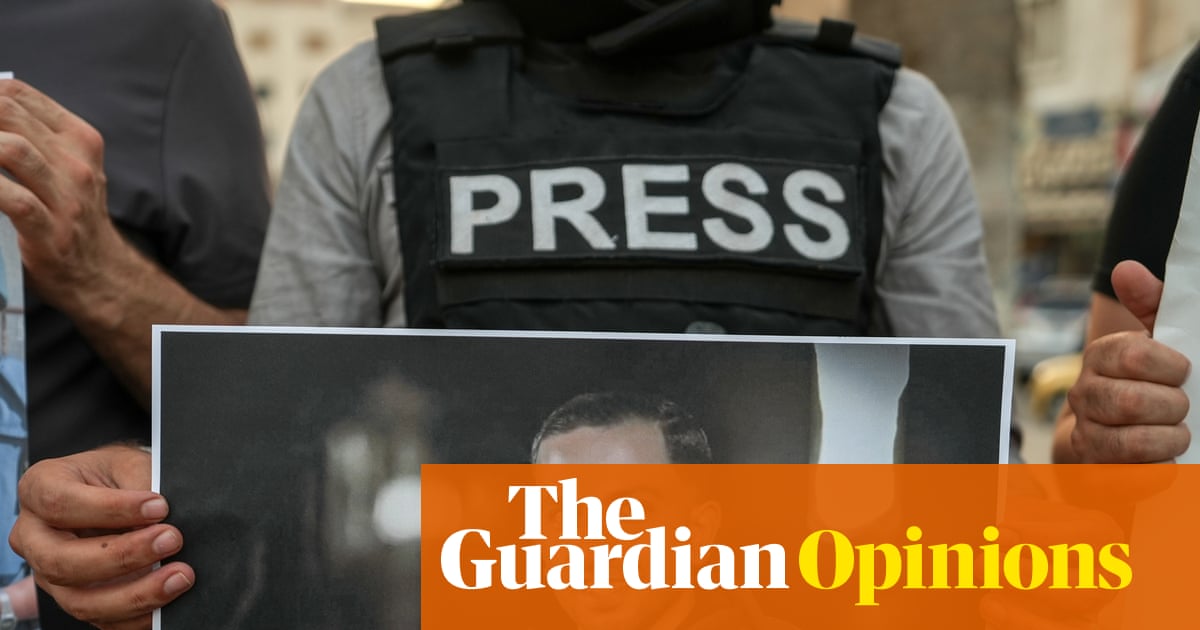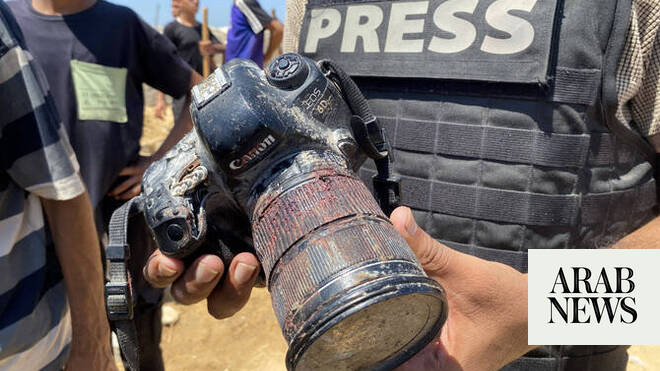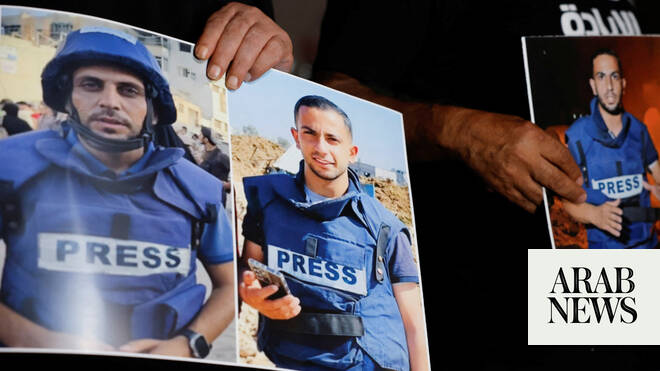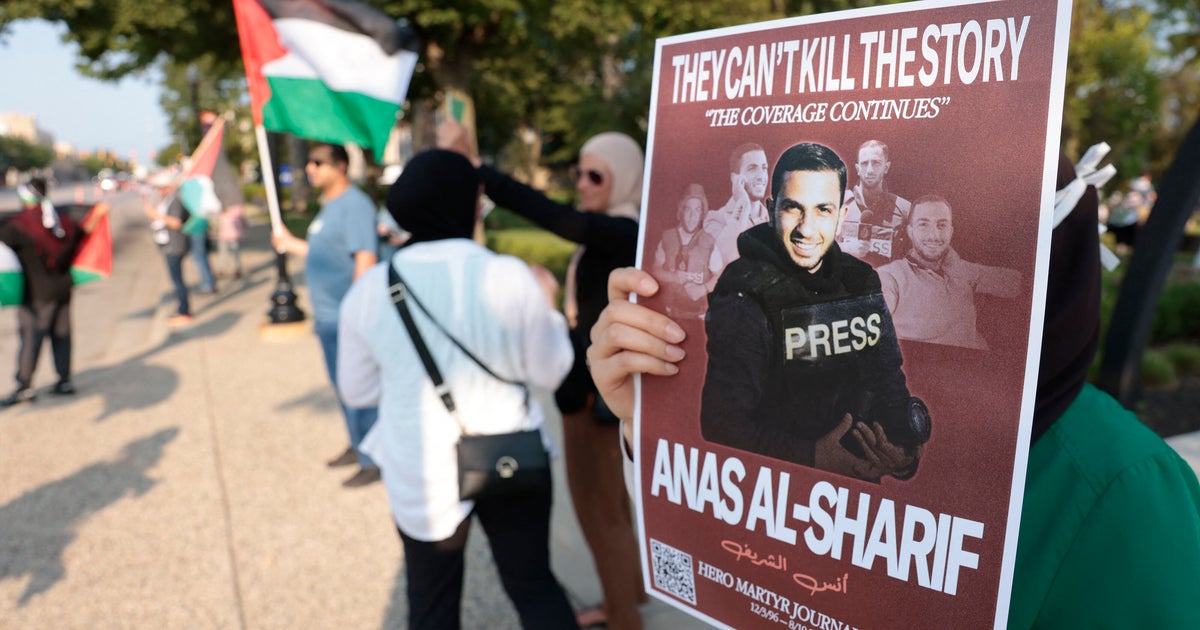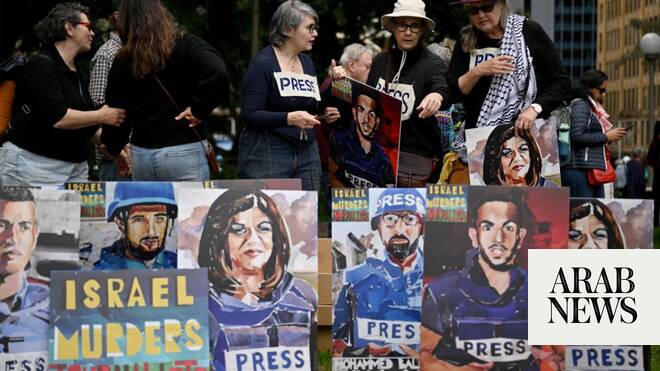
This is the most lethal war for the media in recent times. A generation of journalists is being wiped out
ay by day, the death toll rises, the war crimes mount, and the outrage grows. Last Wednesday, the pope demanded that Israel stop its “collective punishment” of Gaza’s population. A day later, António Guterres, the United Nations secretary general, warned that “the levels of death and destruction … are without parallel in recent times”. More than 500 UN staff have pressed the human rights chief, Volker Türk, to call it genocide. Half of registered voters in the US have already concluded that that is what Israel is doing in Gaza.
The agony is deepening. On Friday, the Israeli military declared famine-hit Gaza City to be a combat zone, intensifying its assault and ending “tactical pauses” that allowed limited – if utterly inadequate – food delivery. Many inhabitants are physically incapable of fleeing again, and fear that they would be no safer elsewhere. Israel has attacked parts of areas that it has labelled as “humanitarian zones”.
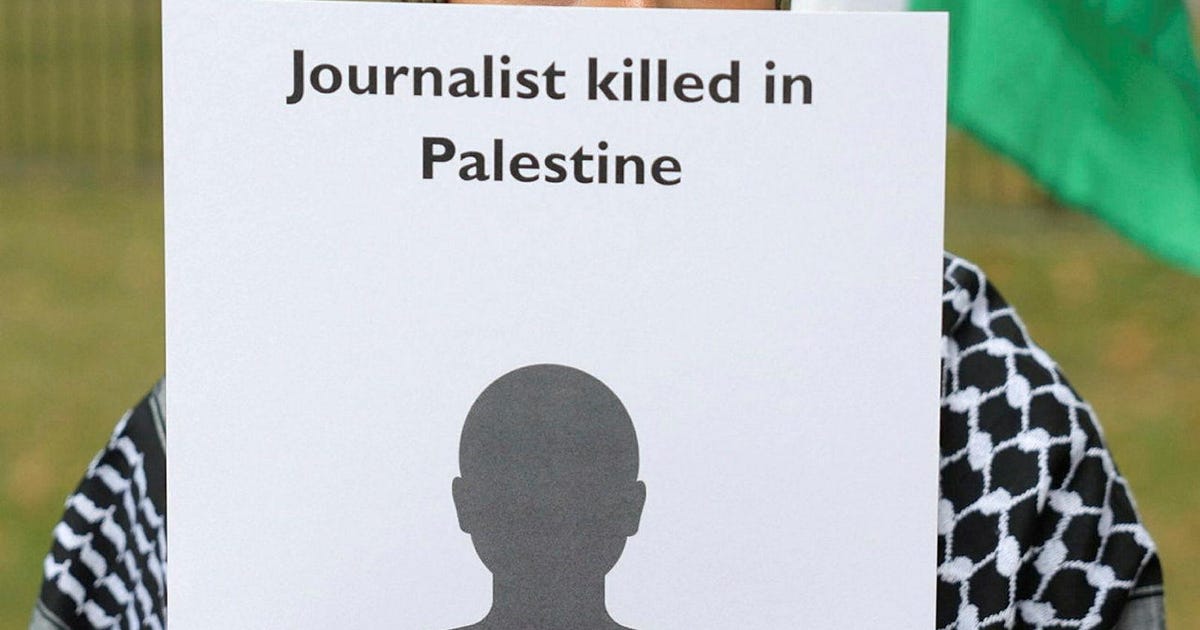
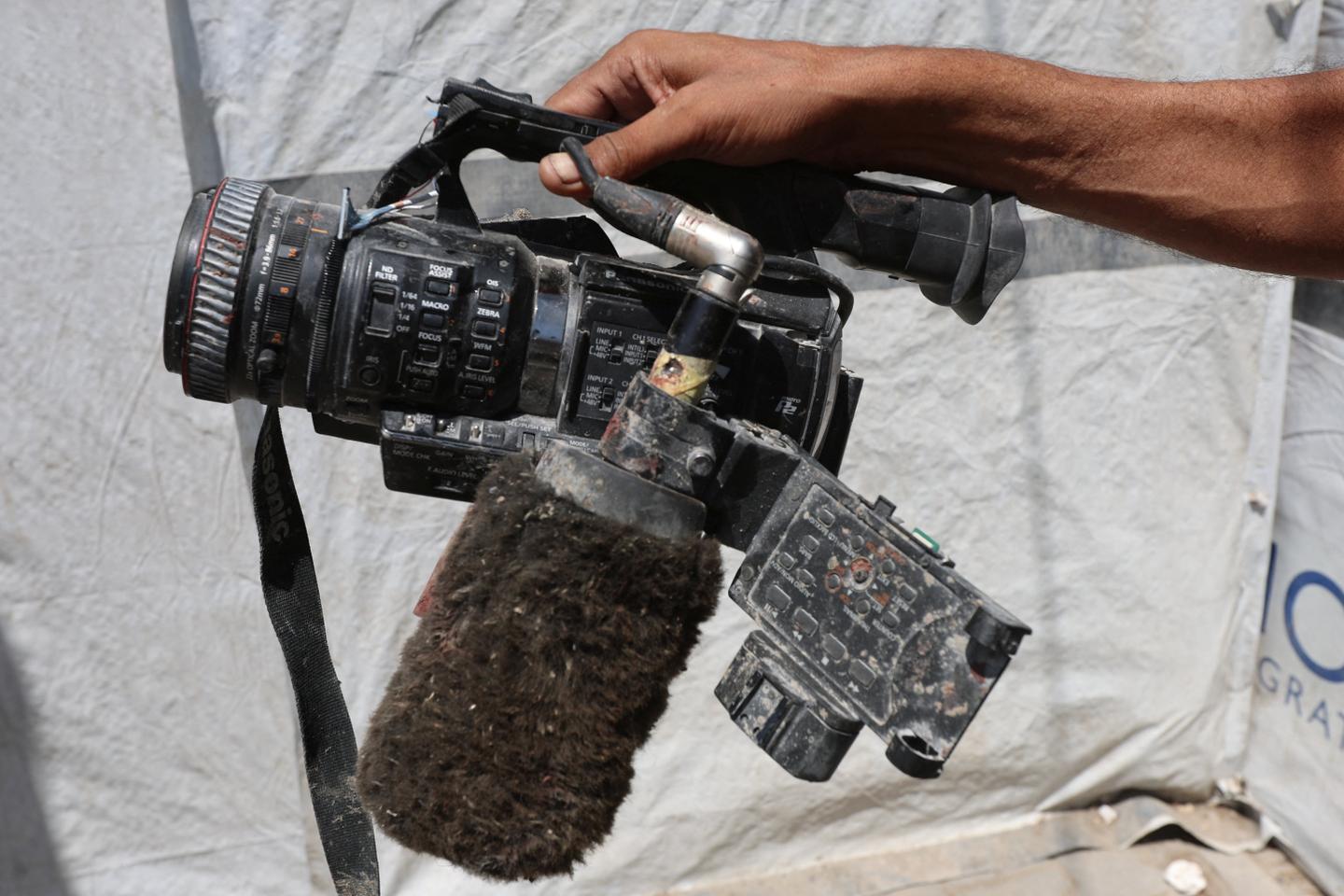
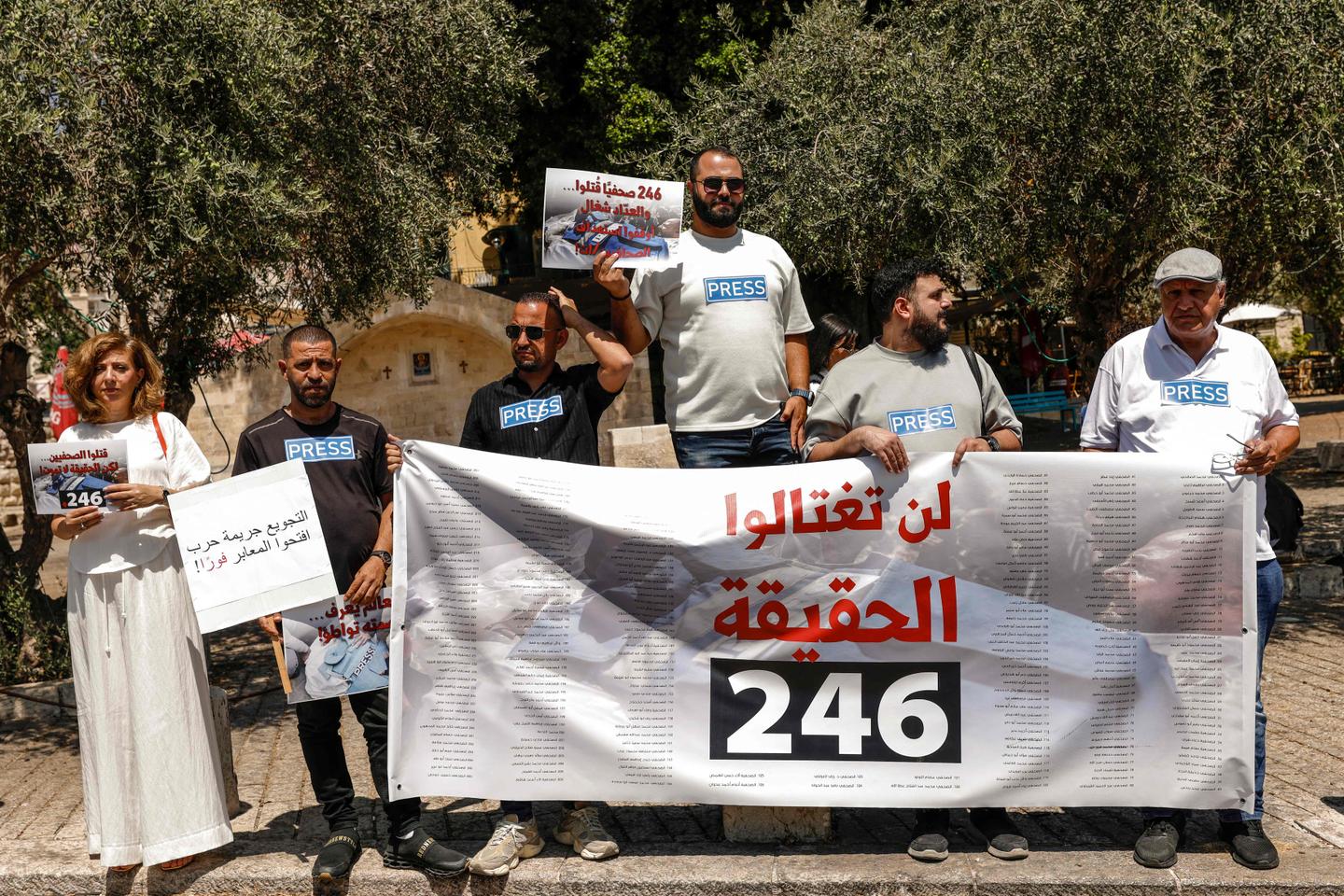
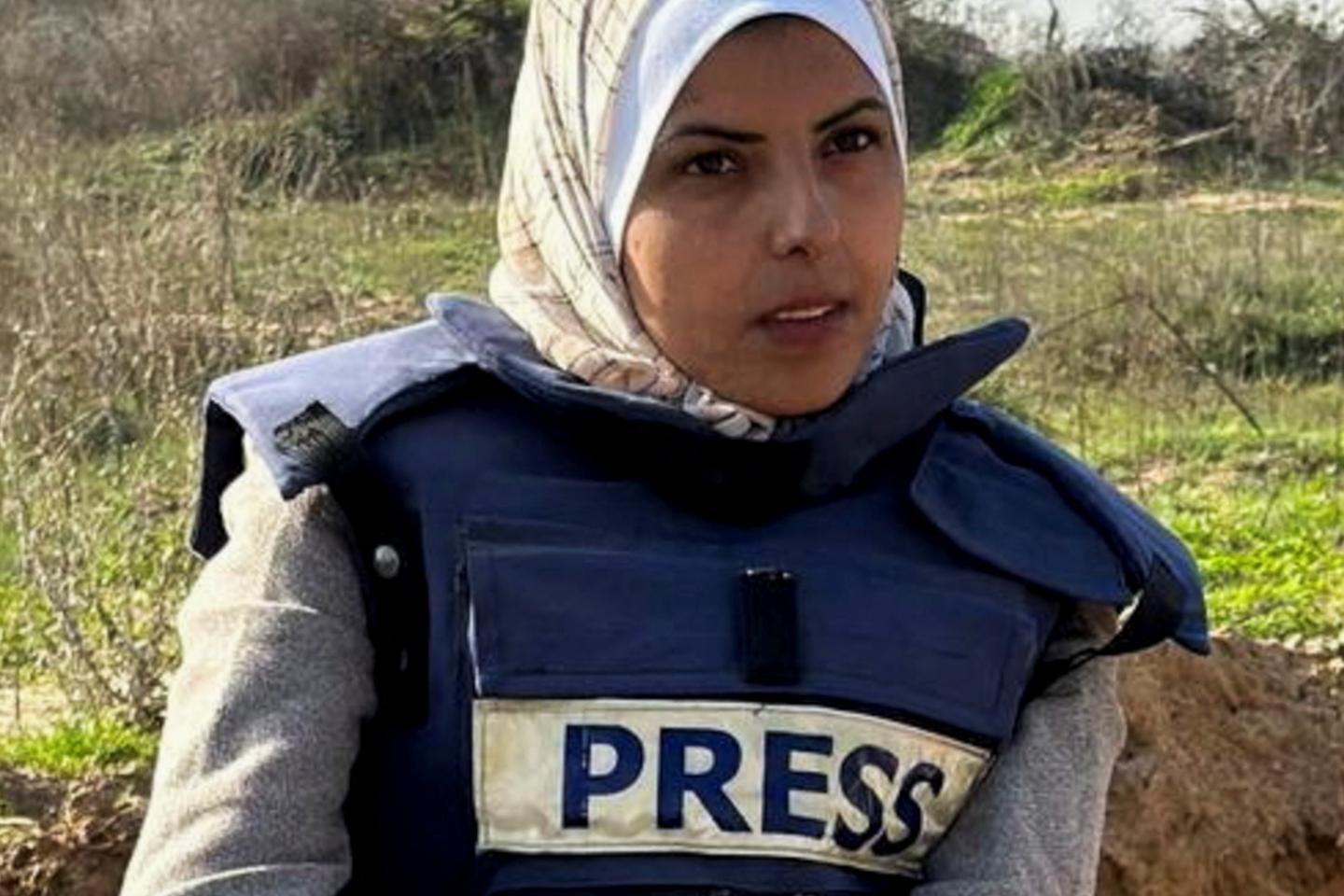
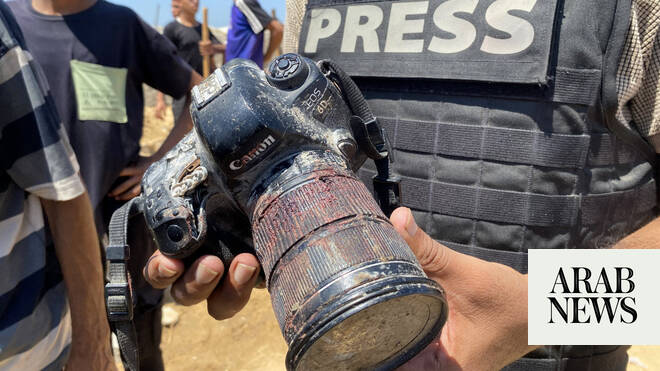
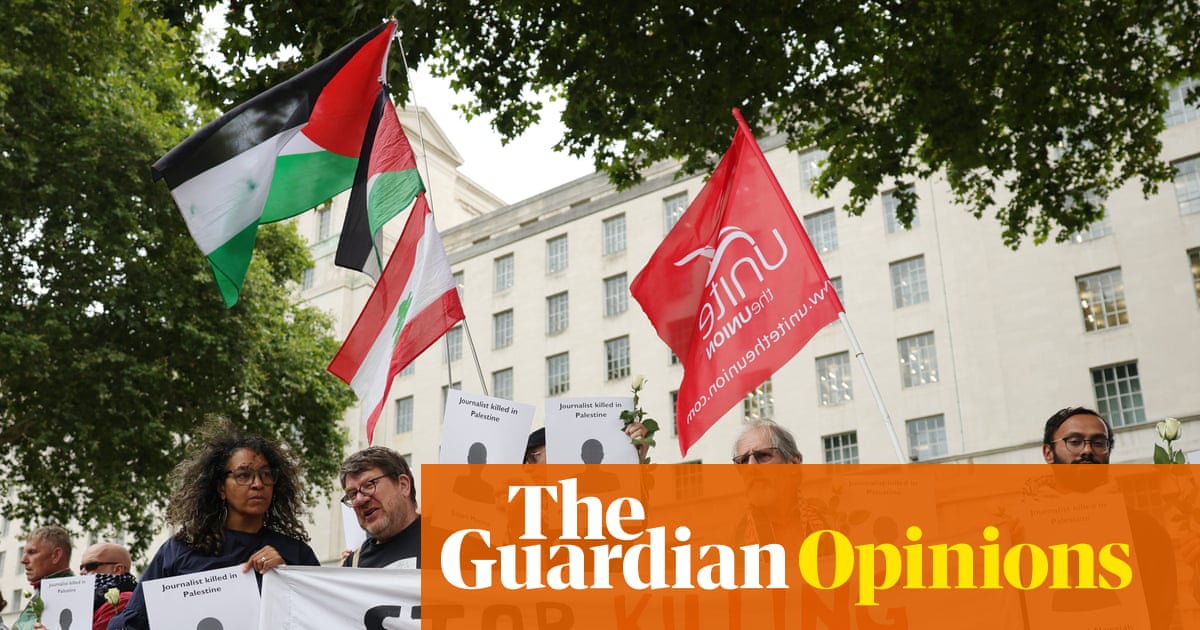
Israel could end the international condemnation by stopping its campaign of annihilation. Instead, it tries to stop us learning about it, by silencing those who bear witness. It is determined to control the narrative of the war – though even its own figures at times offer a bleak view of conditions – and will go to shocking lengths. This has become the most lethal war for the media in recent history. According to the Committee to Protect Journalists (CPJ), at least 189 Palestinian journalists are dead in Gaza; others put the toll still higher. Five were killed in a single strike last week.