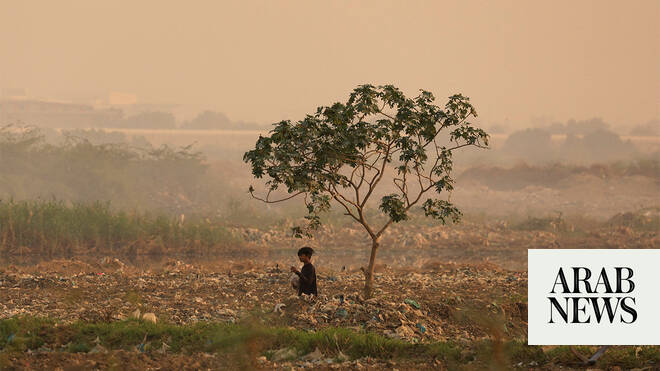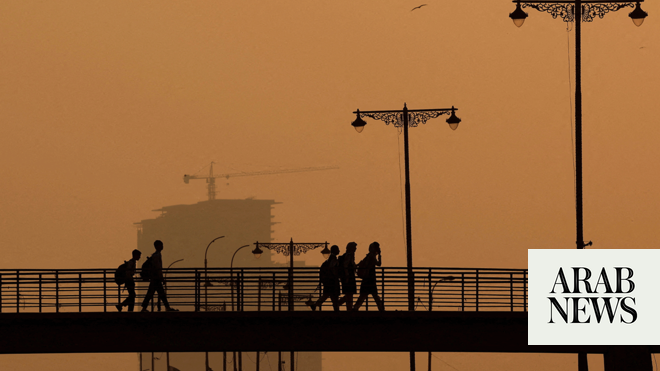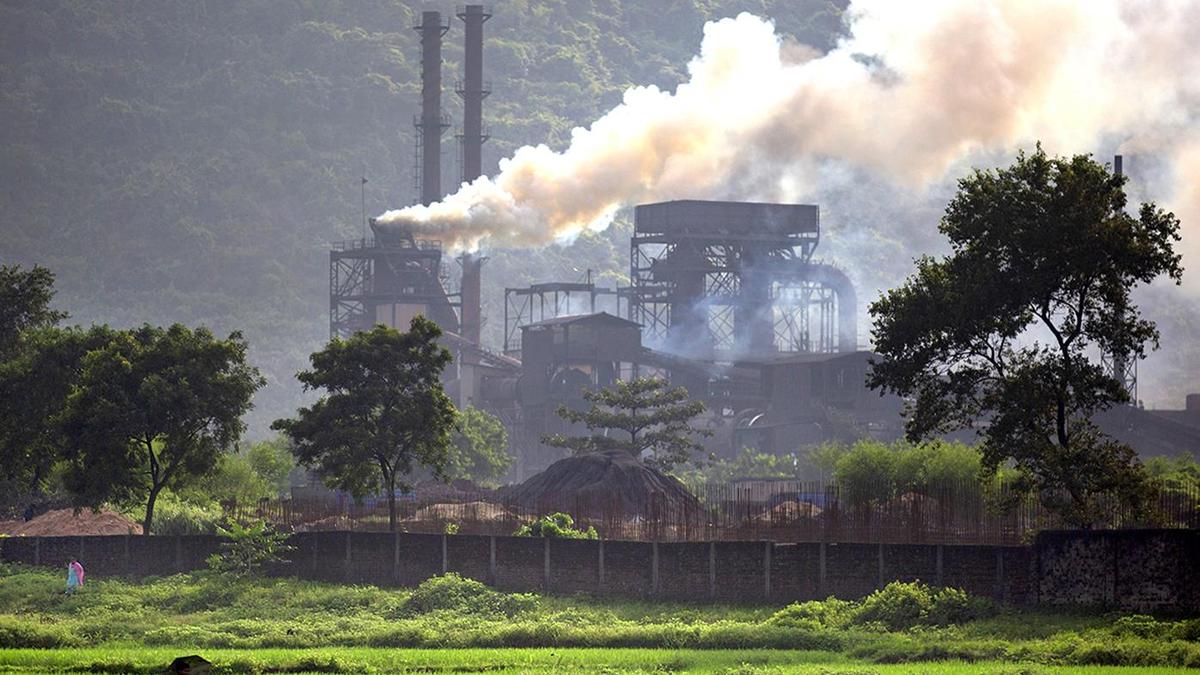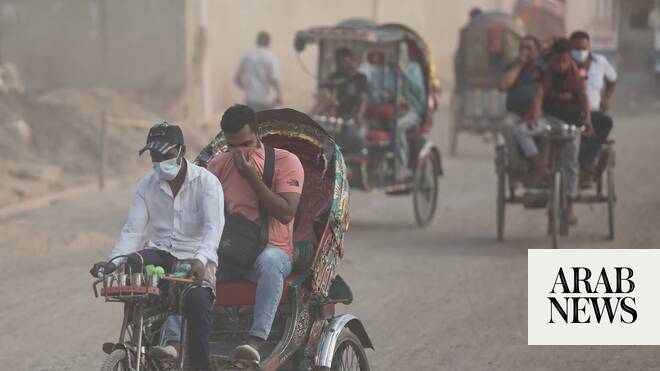
DHAKA: Air pollution shortens the average Bangladeshi’s life by 5.5 years, making it the world’s most affected country, latest data shows, as the government vows to act by the year’s end.
According to last week’s Air Quality Life Index report by the University of Chicago’s Energy Policy Institute, “air pollution is the greatest external threat to life expectancy” in Bangladesh, which is currently “the world’s most polluted country.”
All of Bangladesh’s 166.8 million people live in areas where the yearly average level of fine particulate pollution exceeds both the World Health Organization’s guideline of 5 micrograms per cubic meter of air and the country’s national limit of 35 micrograms. In places like the capital, Dhaka, the concentration was above 76 micrograms.
“The average Bangladeshi resident could live 5.5 years longer if particulate pollution met the World Health Organization (WHO) guideline,” the report says. In Dhaka, the impact of toxic air is particularly severe, slashing the average life expectancy by 6.9 years.
The report also shows that the air quality is quickly worsening despite the government’s attempts to address the problem.