Heat deaths could surge in the state as energy poverty linked to Trump’s energy and trade policies burns
I
t was the hottest day of the year so far when the central air conditioning started blowing hot air in the mobile home where Richard Chamblee lived in Bullhead City, Arizona, with his wife, children, and half a dozen cats and dogs.
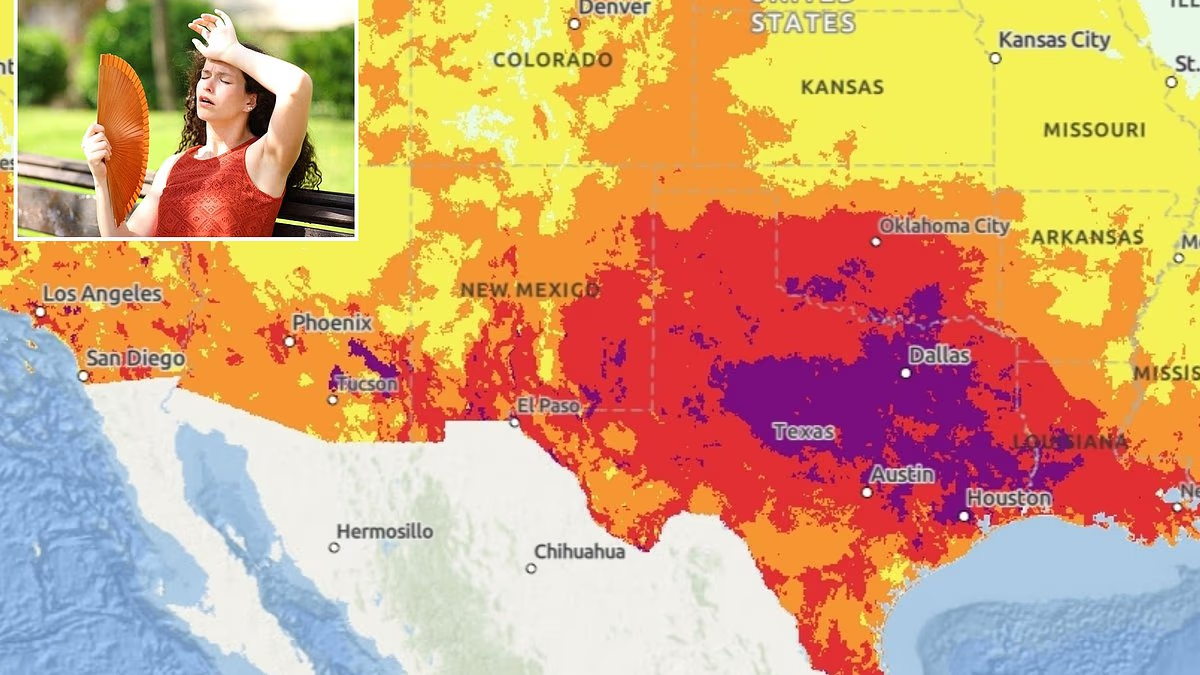
It was only mid-June but the heat was insufferable, particularly for Chamblee, who was clinically obese and bed-bound in the living room as the temperature hit 115F (46C) in the desert city – situated 100 miles (160km) south of Las Vegas on the banks of the Colorado River.
The family could not afford to immediately replace or repair the AC system, so instead they bought a window unit and installed it next to Chamblee’s bed. They positioned fans, ice packs and cold drinks close by in an effort to keep Chamblee cool and hydrated, and they checked in on him every couple of hours.