We and our vendors use cookies and similar methods (“Cookies”) to recognize visitors and remember their preferences. We also use Cookies for a variety of purposes, including analytics, to measure marketing effectiveness and to target and measure the effectiveness of ads. You can accept or reject the use of Cookies for individual purposes below. Some vendors process your data on the basis of their legitimate interest - you can object to such processing below. Your preferences will be saved in a cookie named “fides_consent” for a maximum duration of 12 months, as well as in your registered user account if you are logged in. If you previously accepted these methods through our prior banner, then we will use your data for targeting. Your preferences will apply on nytimes.com, as well as our News, Cooking, Games and Audio apps. Your preferences here are unrelated to Apple’s App Tracking Transparency Framework.
Supported by
By The Editorial Board
The editorial board is a group of opinion journalists whose views are informed by expertise, research, debate and certain longstanding values. It is separate from the newsroom.
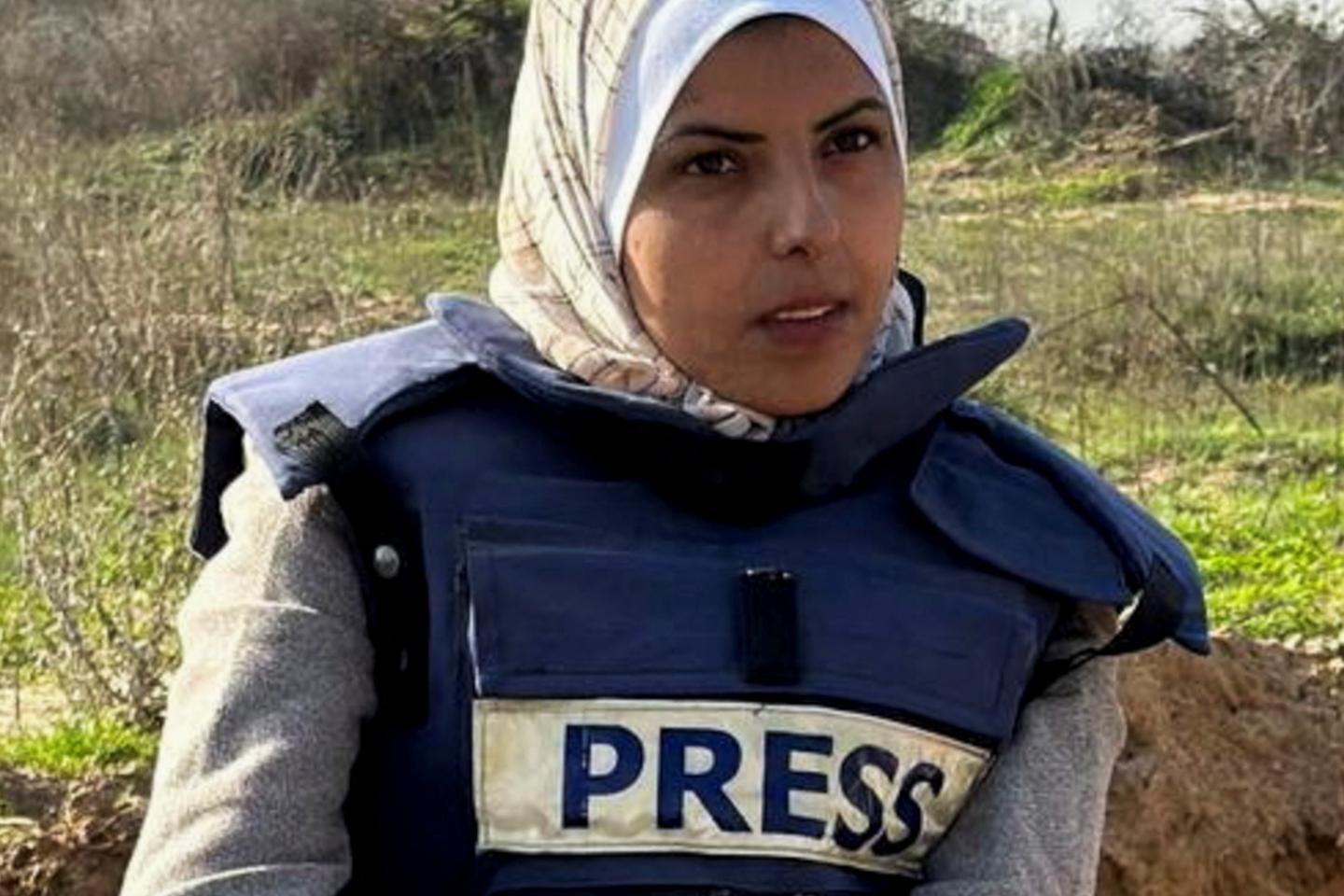
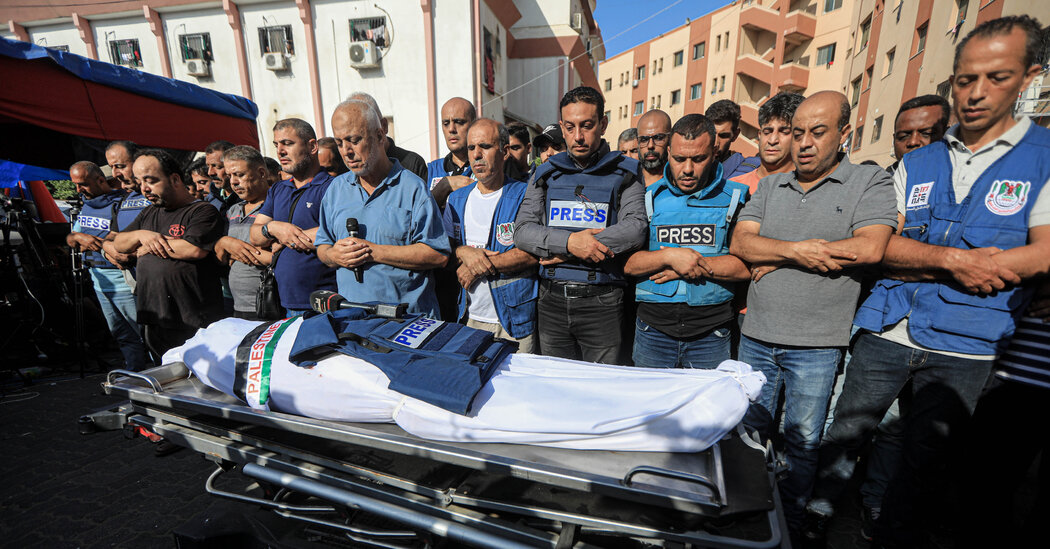
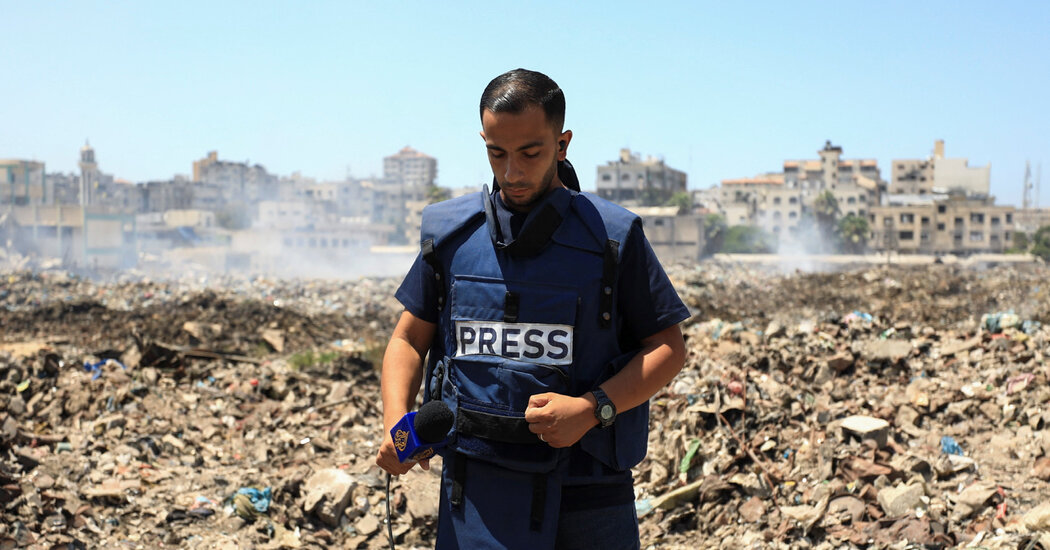
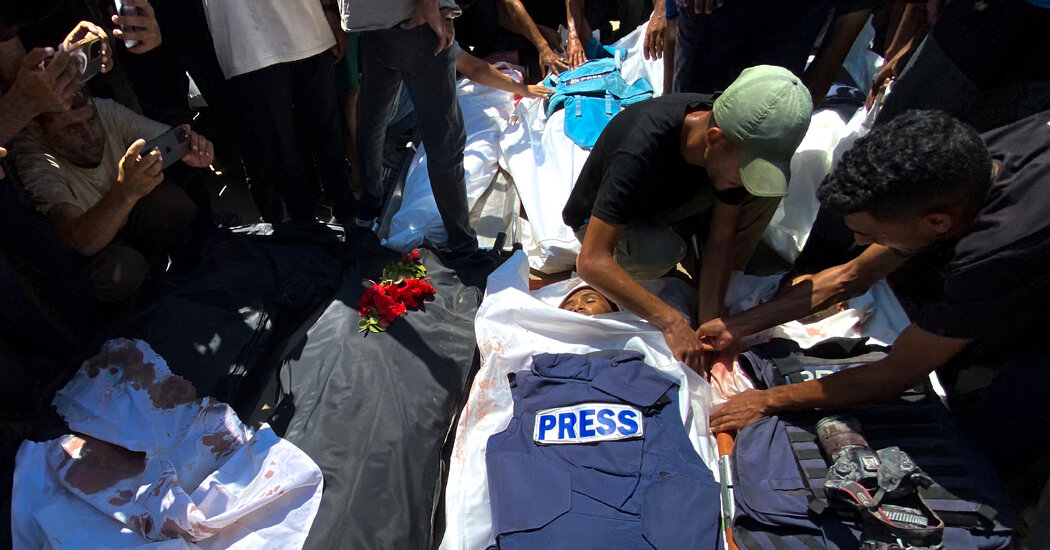
All wars are dangerous to cover, but Gaza holds a place of its own among modern conflicts for the peril faced by journalists. Some 200 journalists have been among the estimated 63,000 people killed since the Gaza war began — an overwhelming majority killed by the Israeli military. Those deaths have helped make the past two years the deadliest period for journalists since the Committee to Protect Journalists, a nonprofit organization, started keeping records in 1992.