The last time a president used the tool was in 1977, and if standardised by the White House, it could bypass Congress on key spending choices
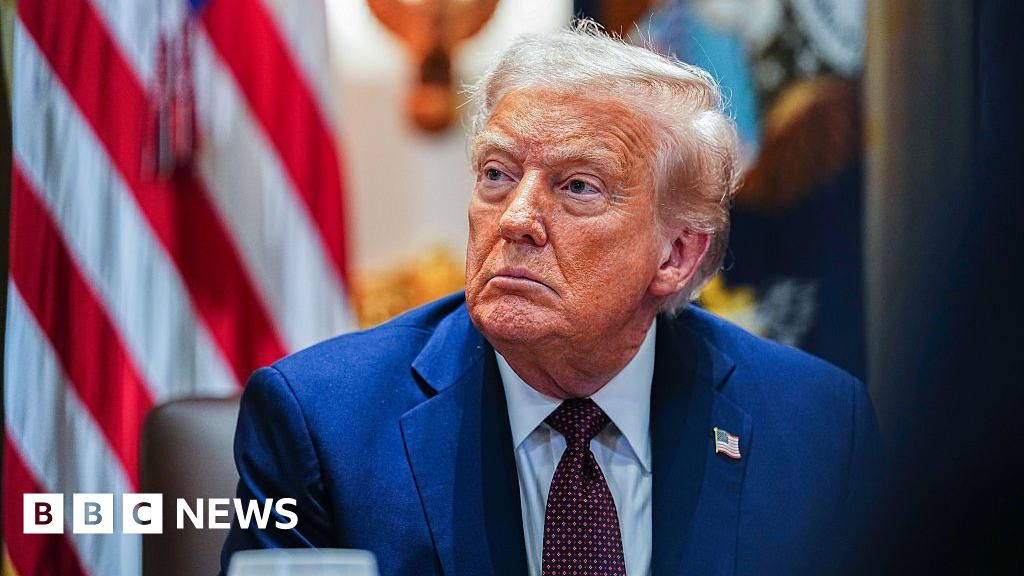
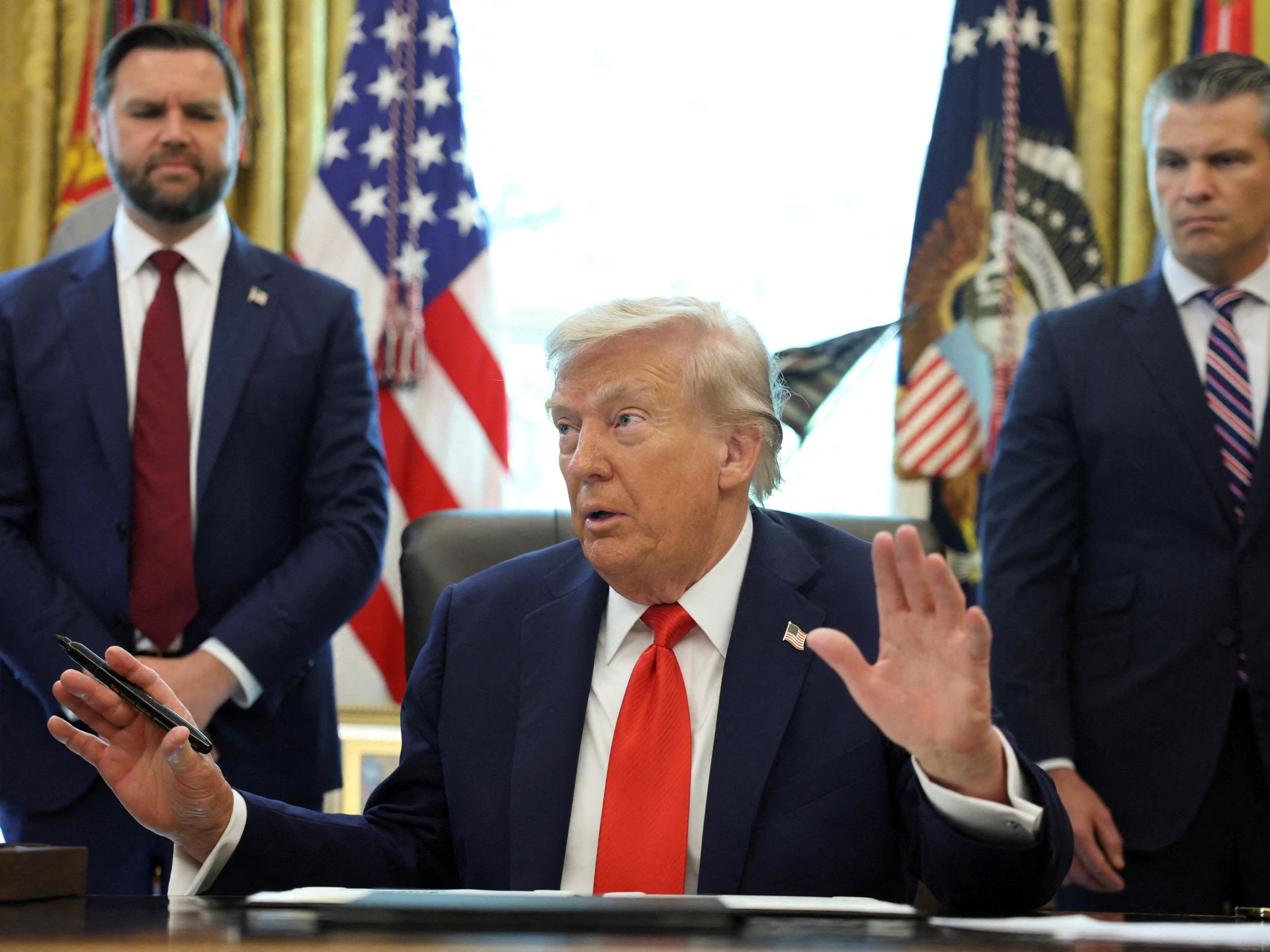
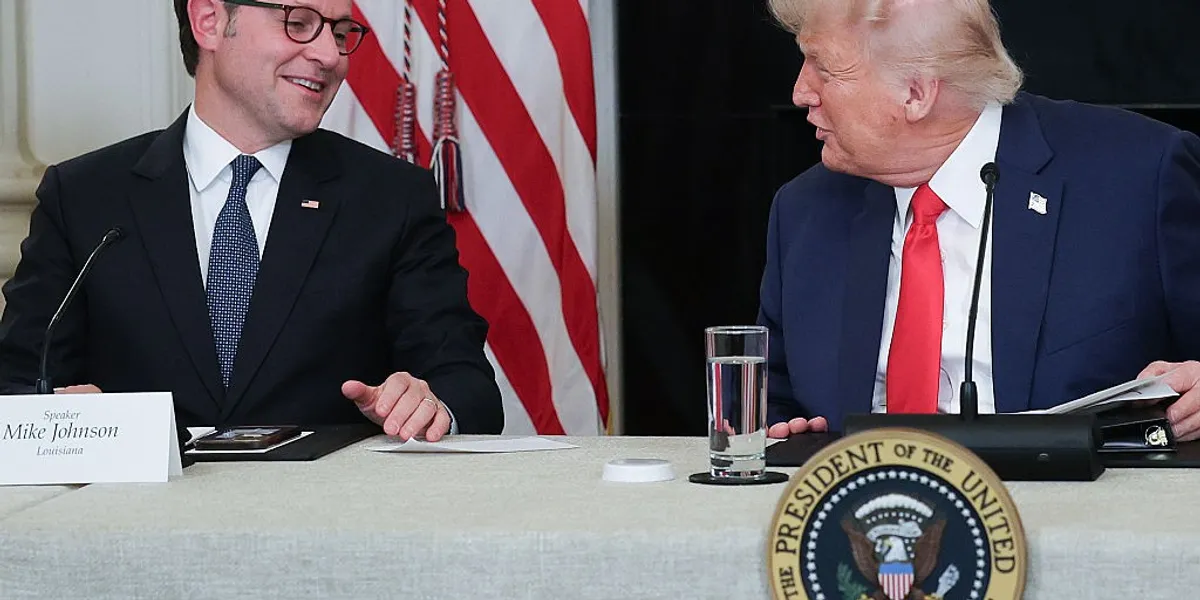
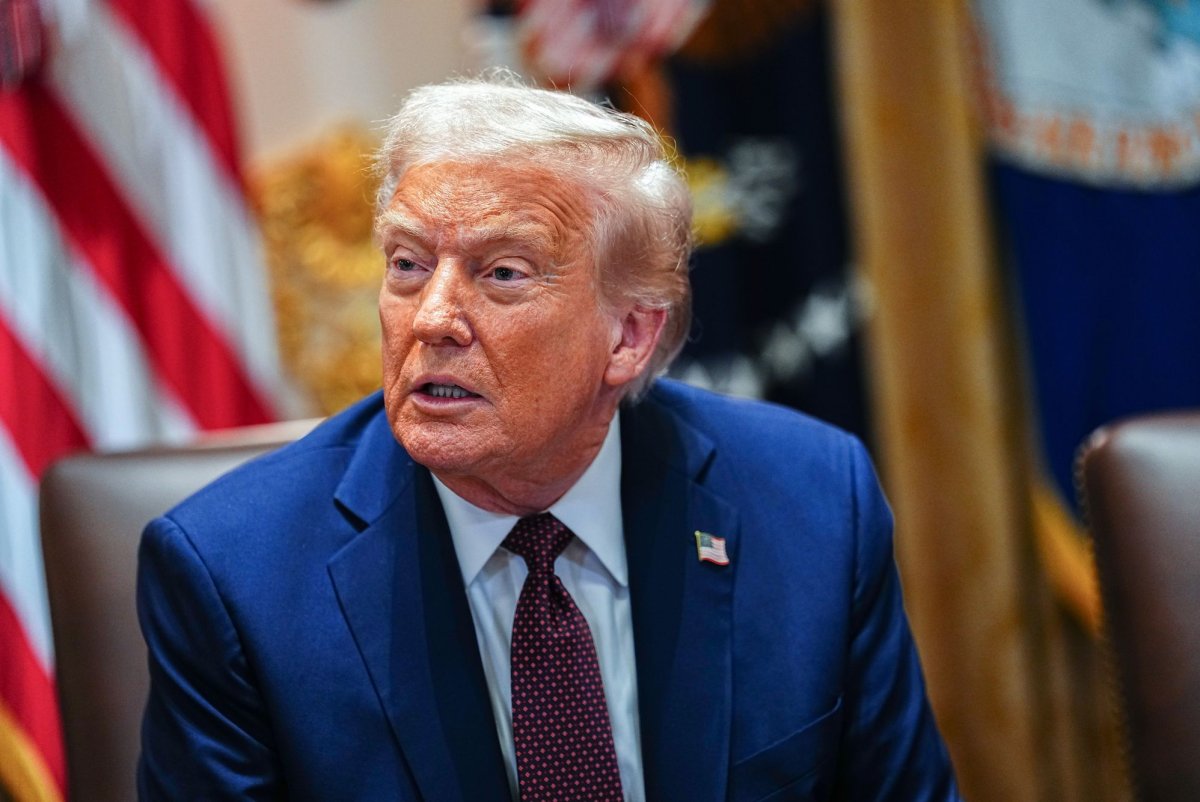
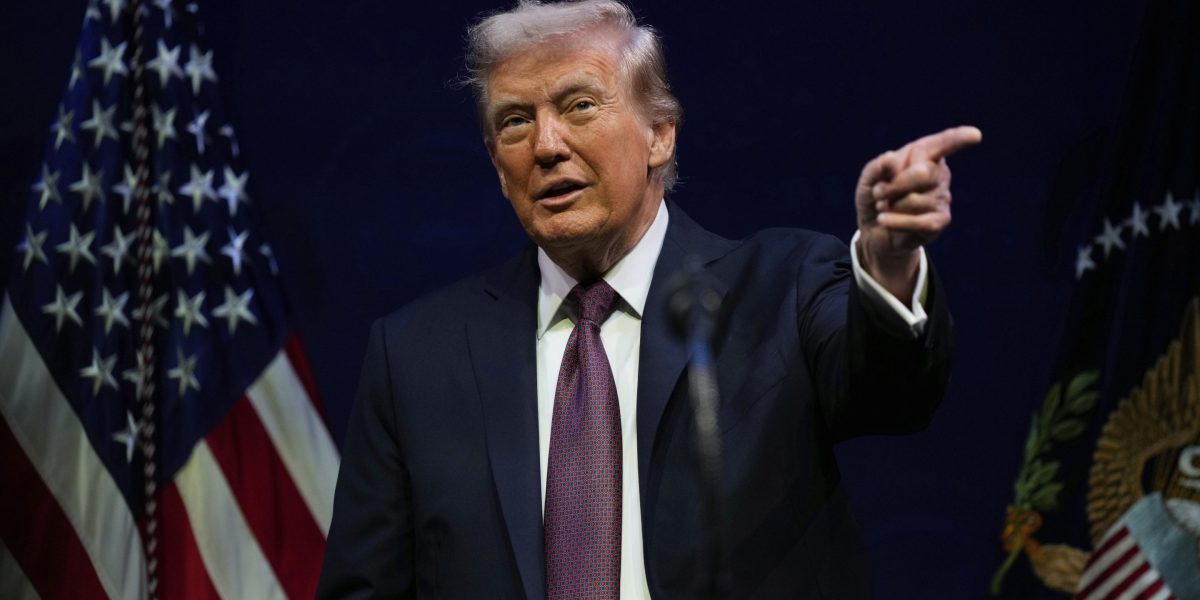
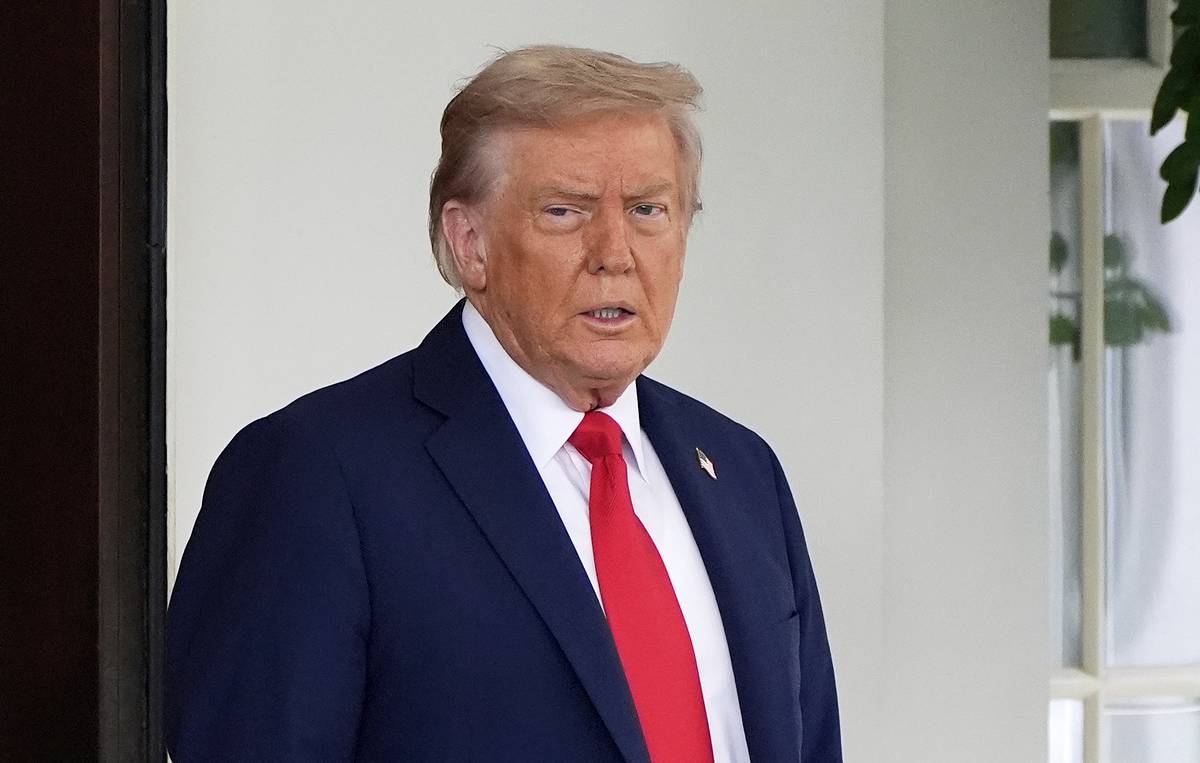
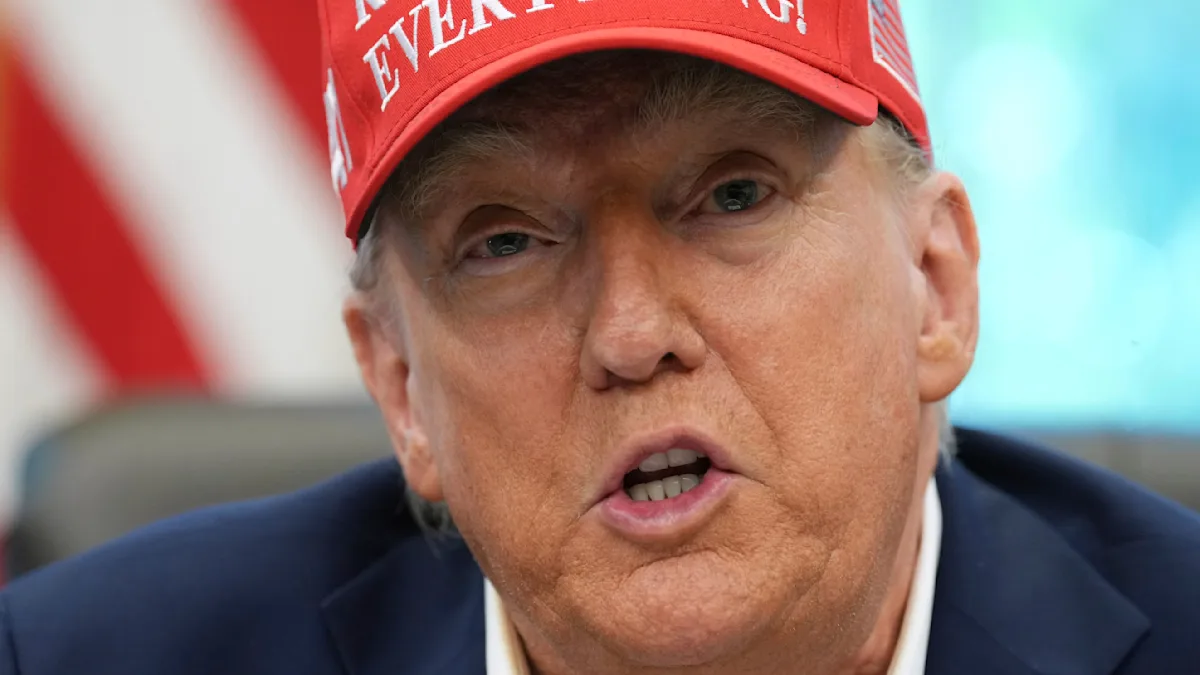
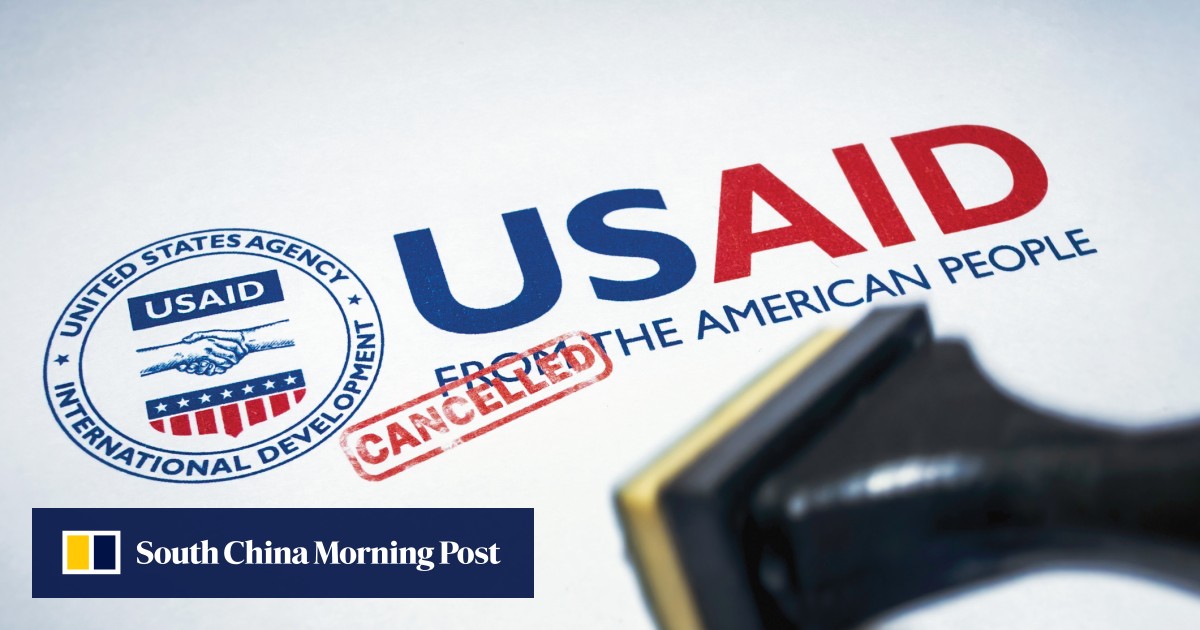
US President Donald Trump has told House Speaker Mike Johnson that he will not be spending US$4.9 billion in congressionally approved foreign aid, effectively cutting the budget without going through the legislative branch.
Trump, who sent a letter to Johnson on Thursday, is using what’s known as a pocket rescission for the first time in nearly 50 years. That is when a president submits a request to Congress to not spend approved funds towards the end of the financial year, so that Congress cannot act on the request in the 45-day time frame and the money goes unspent as a result.
The financial year draws to a close at the end of September.
The last pocket rescission was in 1977 by then-President Jimmy Carter, and the Trump administration argues that it’s a legally permissible tool. But such a move, if standardised by the White House, could effectively bypass Congress on key spending choices and potentially wrest some control over spending from the House and the Senate.