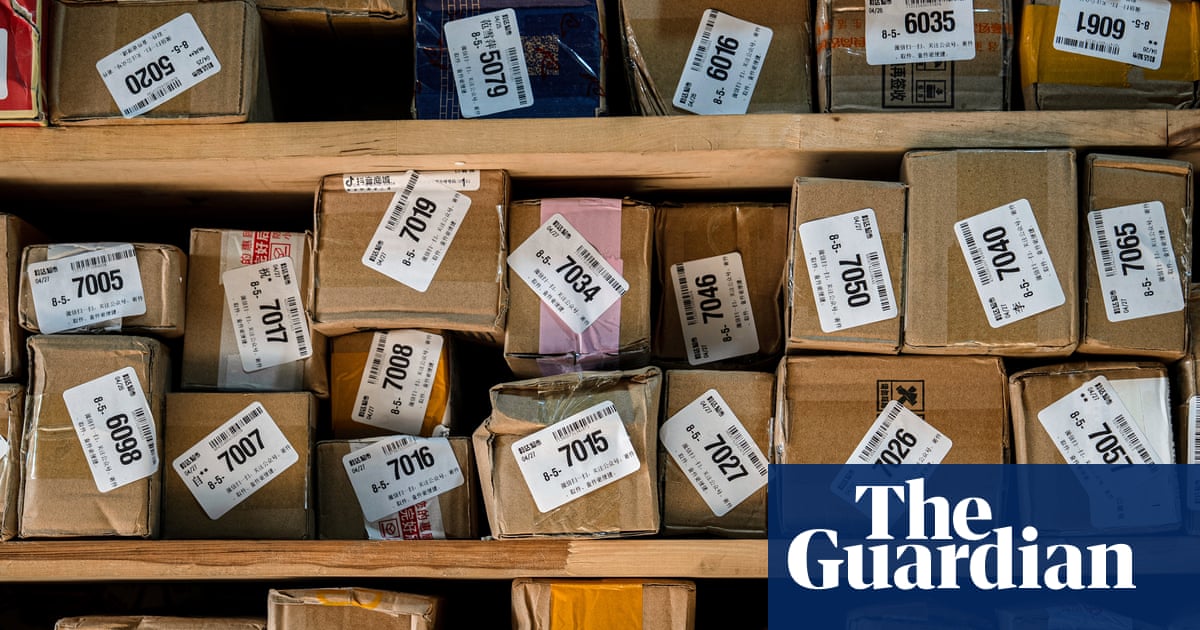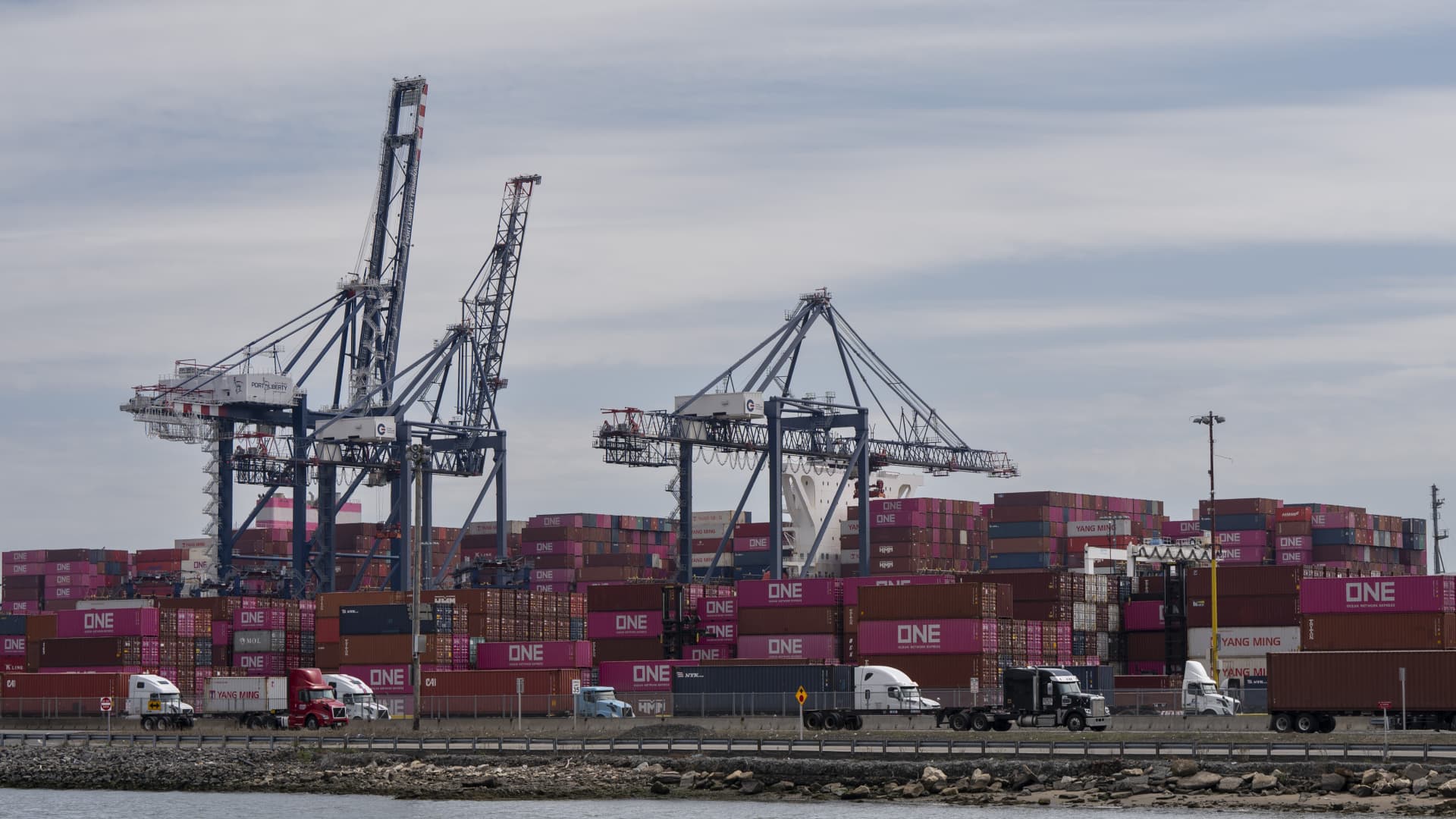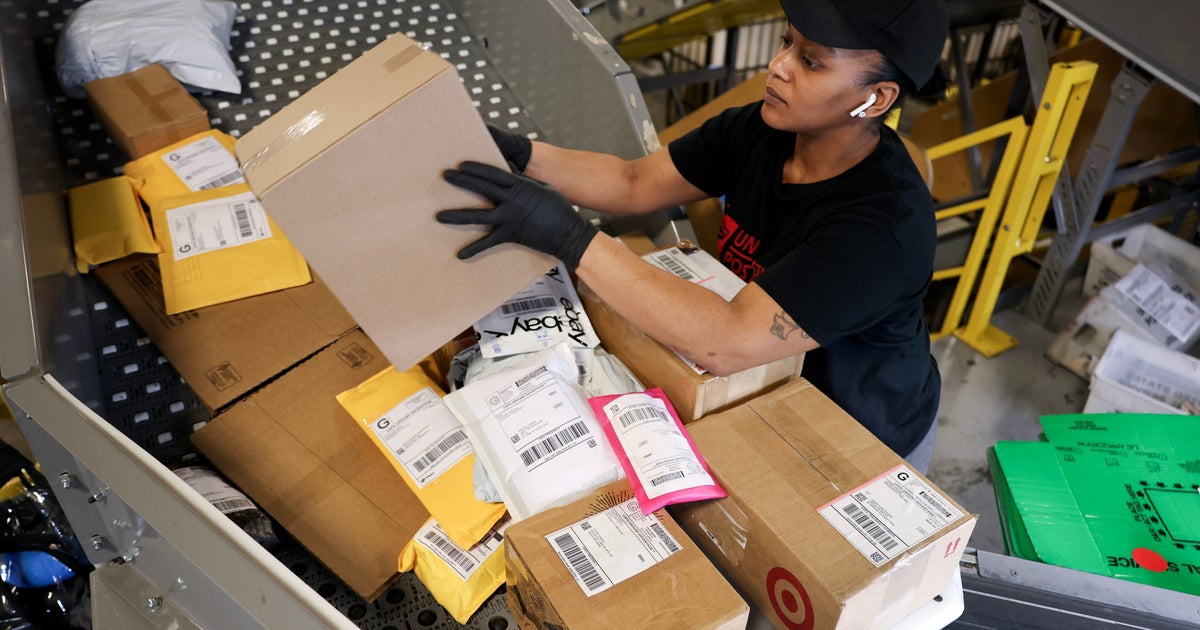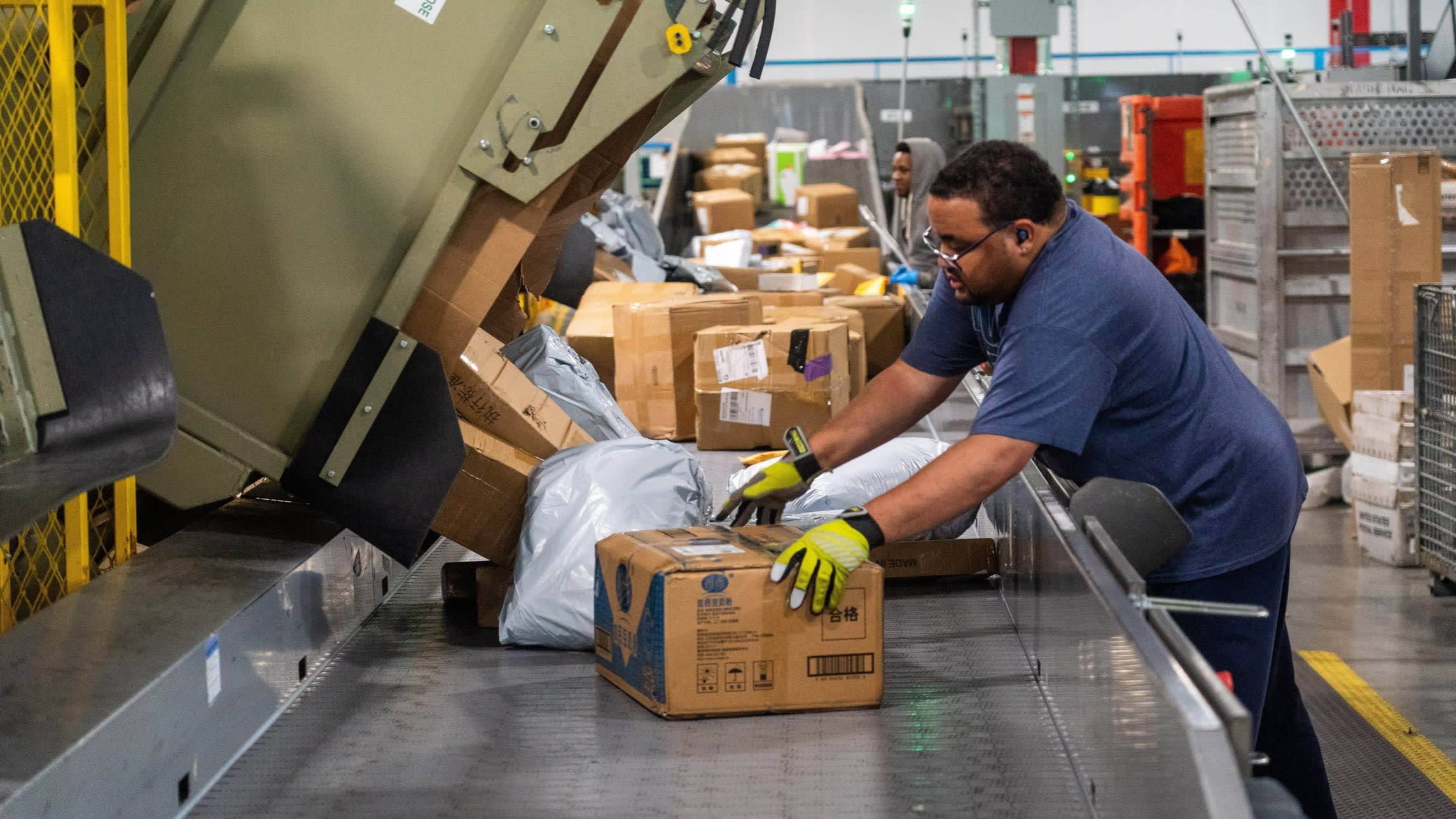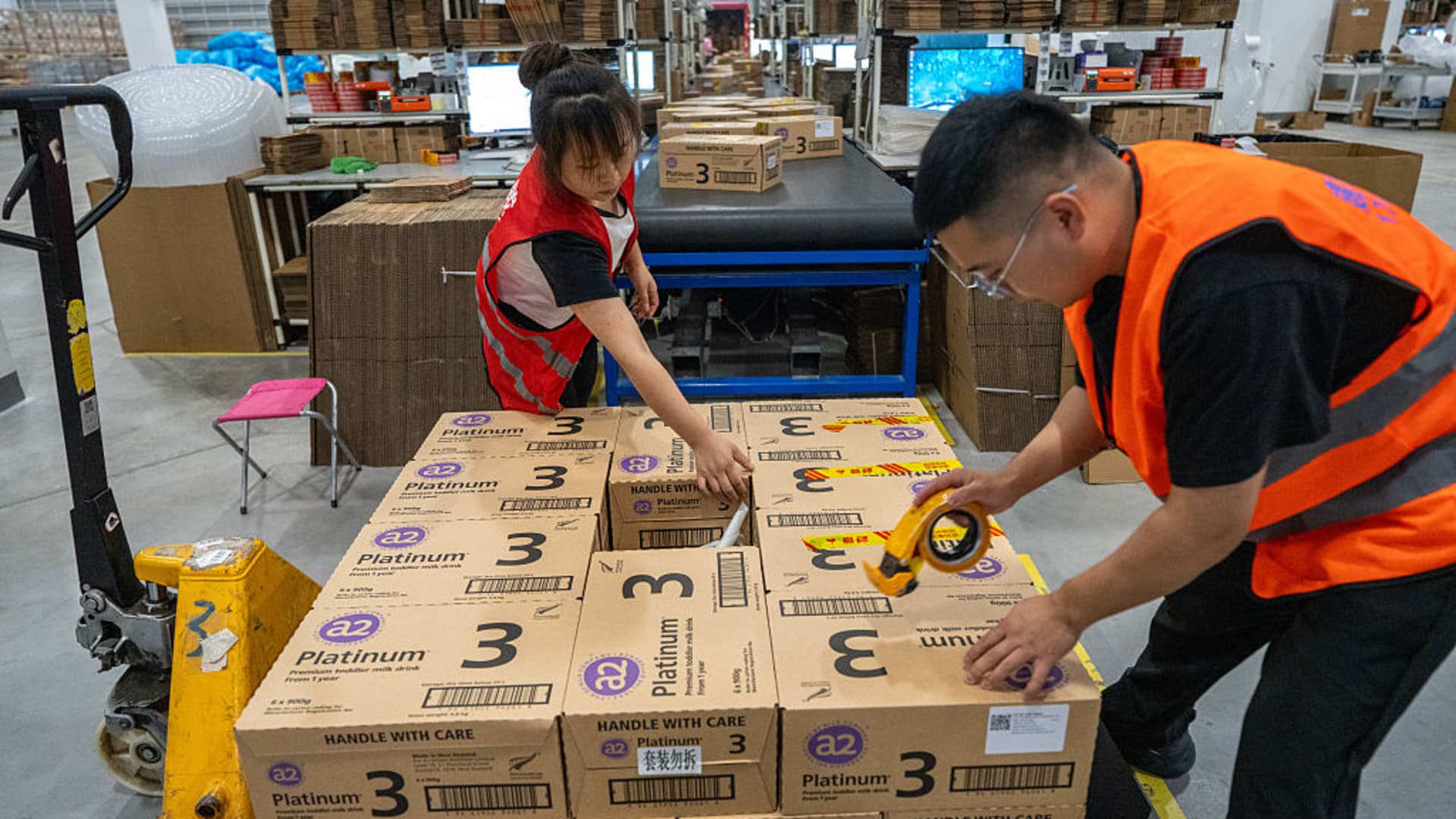
At the stroke of midnight, 92% of all U.S. cargo shipments, and up to 4 million packages daily, lost their duty-free status with President Donald Trump’s removal of the de minimis exemption for low-value trade. Any imported goods sent through the international postal network that are valued at or under $800 will now be subject to applicable duties. While the winners and losers on the retail landscape and among consumers are debated, customs experts are warning the troubles facing small to medium-sized businesses that relied on the duty-free exemption are just beginning, and will be significant.
“When I think about the de minimis change, the message is clear: tariffs are now universal, regardless of value,” said Nunzio De Filippis, licensed customs broker and co-CEO of CargoTrans. “Every package counts. That’s a major change in how global e-commerce has operated for the last decade.”
The postal carrier or “qualified party” (e.g., USPS, Royal Mail, La Poste) that decides how duties are collected on packages moving through the postal stream must collect those duties from shippers or recipients and remit them to U.S. Customs.
The carriers have two methods to choose from — either a percentage of the country’s tariff rate (ad valorem) or a flat per-package fee, De Filippis explained. With the flat rate, there are three tiers: $80 if the IEEPA tariff rate — the trade duties put into effect by Trump using emergency economic powers — is under 16% (such as EU goods at 15%); $160 if it’s between 16% and 25% (such as Vietnam at 20%); and $200 if it’s above 25% (such as India at 50% or China at 30%). After a six-month transition period, the flat fee option goes away and all packages will be subject to the percentage tariff rate only.