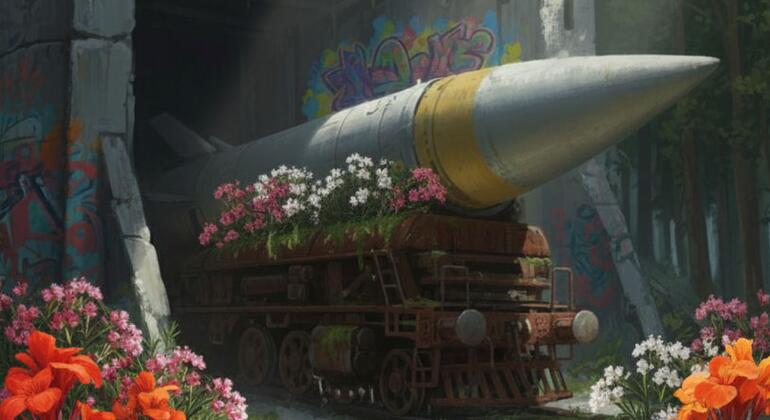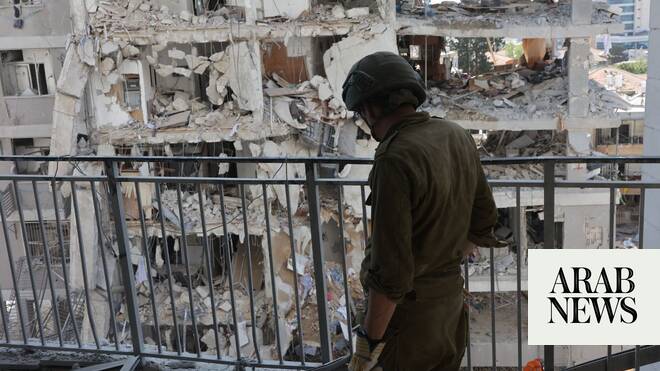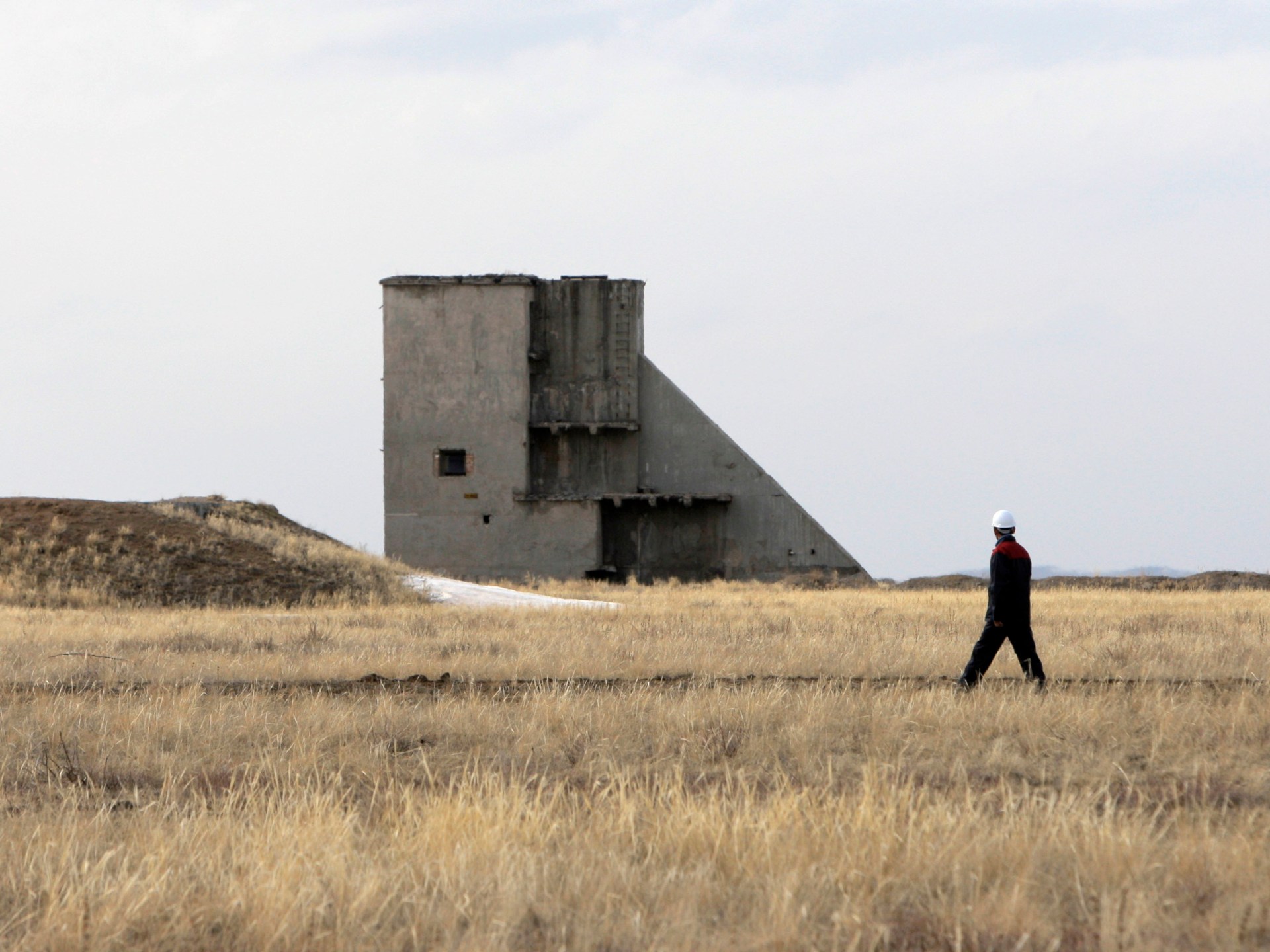
Decades after Semipalatinsk, the collapse of arms control leaves the world on the edge again.
By Karipbek Kuyukov
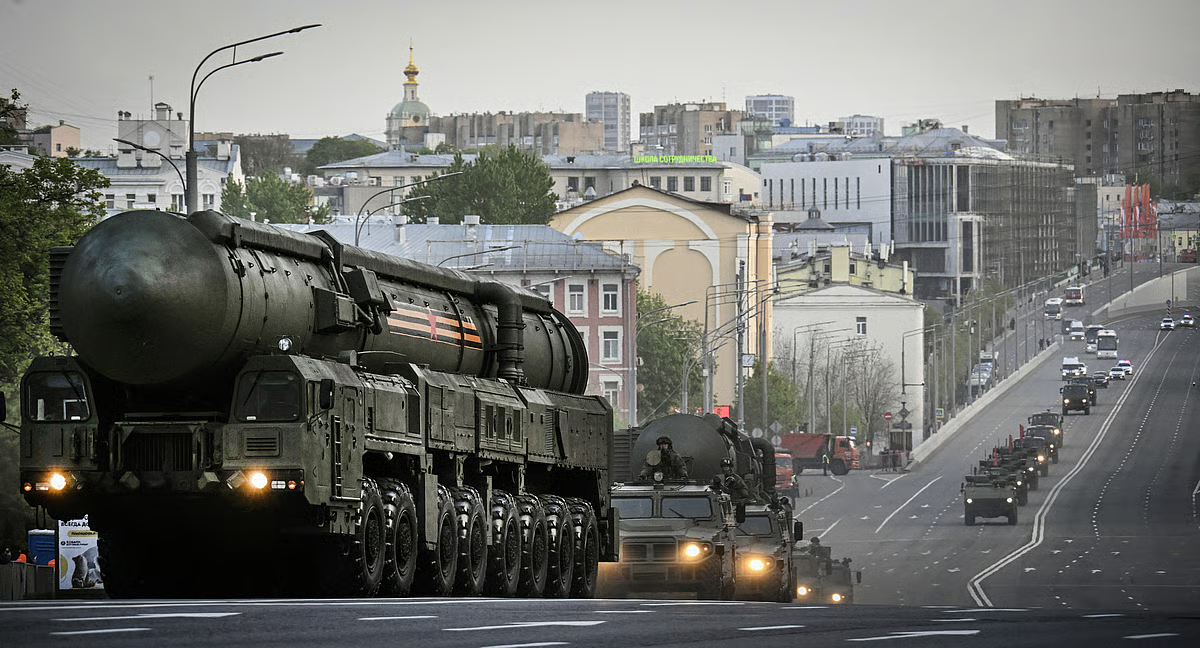
The nuclear danger today is greater than at any time since the Cold War. The world faces the prospect of a renewed arms race, this time unconstrained by the agreements that for decades kept catastrophe at bay. It is estimated that there are now 12,241 nuclear warheads worldwide. Arms control is unravelling before our eyes: Inspections under the New START treaty, the last remaining arms control agreement between the United States and Russia, remain suspended, and with its expiration in February 2026, there is no successor in sight. The Intermediate-Range Nuclear Forces Treaty is gone, the Treaty on Open Skies has been abandoned, and the Comprehensive Nuclear-Test-Ban Treaty has still not entered into force. At the same time, the world’s geopolitical landscape is more volatile than ever.
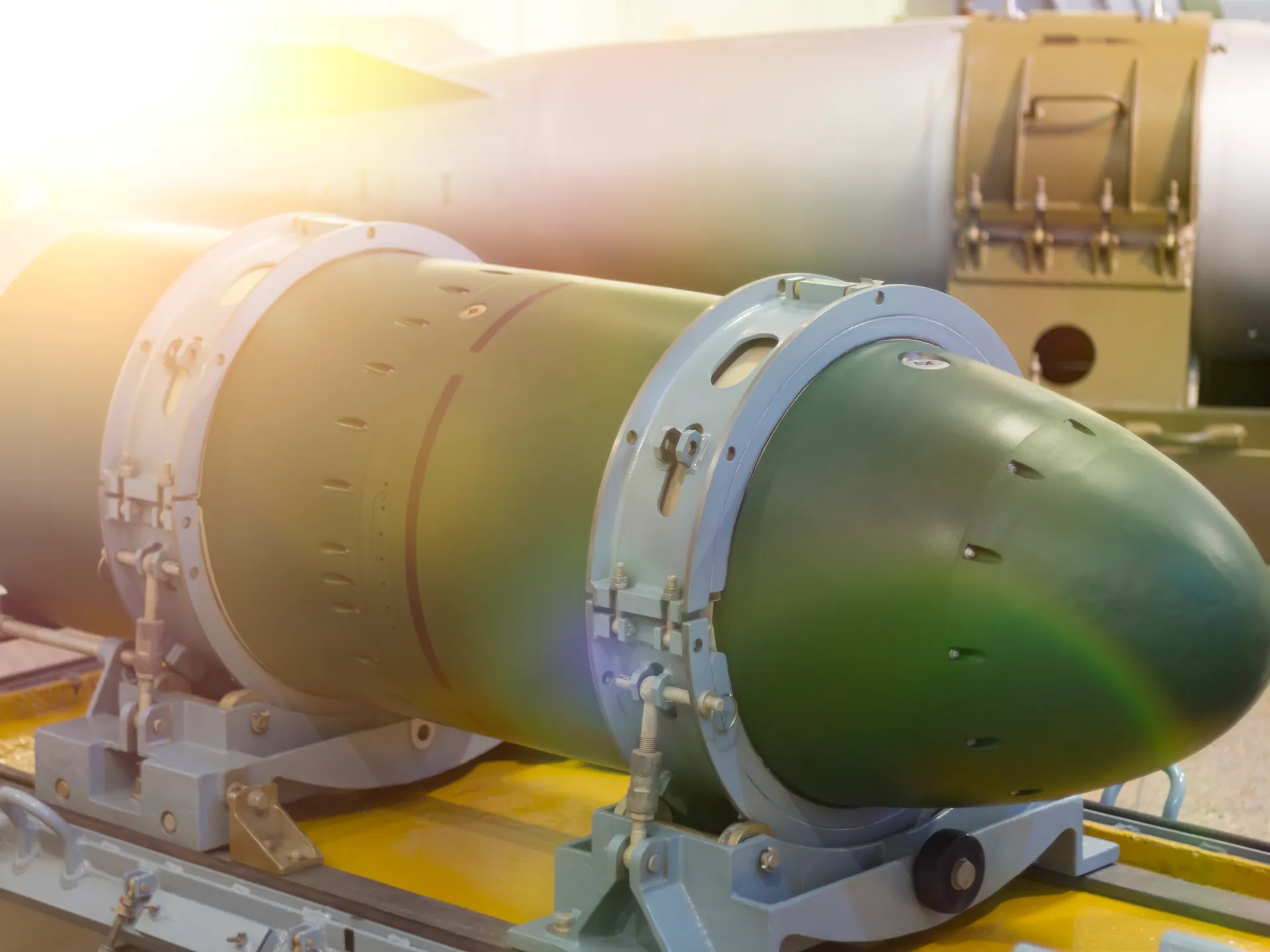
Deep down, everyone knows nuclear weapons are a danger. We know their destructive power: Instant annihilation, radiation sickness, cancers, poisoned land, and generations of suffering. Yet the international community increasingly accepts the idea that nuclear weapons make countries safe. It is true that, at the level of geopolitics, they can provide a shield of deterrence. But on a global scale, they are a sword of Damocles hanging over all of humanity. The longer we pretend they guarantee security, the greater the danger that one day deterrence will fail. This danger is becoming even more disturbing with the growing reliance on artificial intelligence in military technologies.