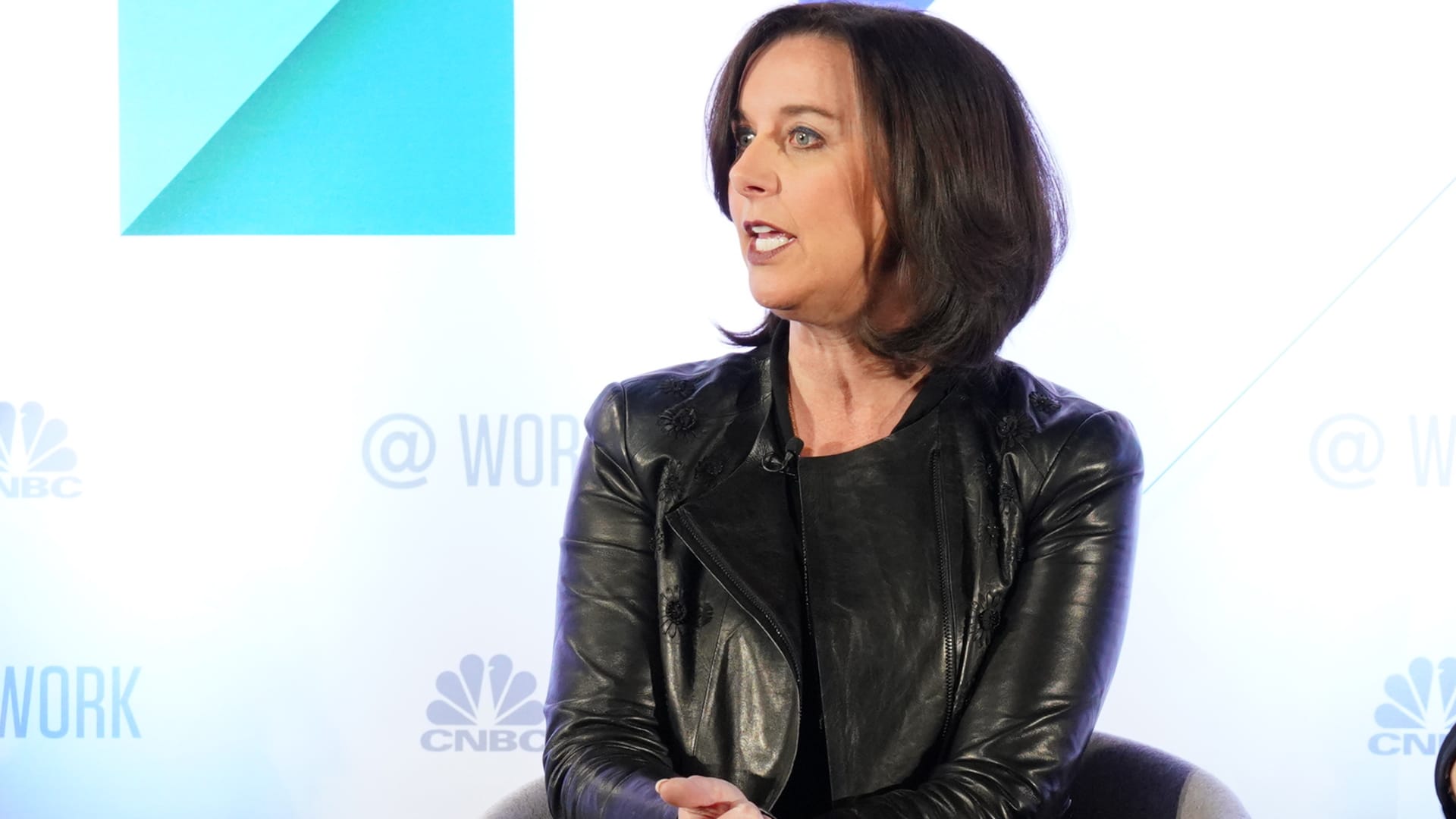
Work-life balance looks different for different people.
For some, the term can mean not working nights, weekends and holidays. Others may look at it as no text messages and emails about work after 5 p.m., prioritizing self-care in the evening instead. While this divide may give you a sense of happiness and fulfillment, it isn’t always realistic, says Walmart executive vice president and chief people officer Donna Morris.
“I’ve never believed in the term work-life balance,” says Morris, who oversees the experience of over 2.1 million employees. “I call it work-life integration. There are times that your life requires a lot more, and there are times that your work requires a lot more. … I don’t think that’s a bad thing.”
When Morris is visiting family, for example, her main focus is on them. But if there’s something at work that needs her attention, she won’t wait until she’s back in the office to do so. Work-life integration helps her stay on top of her work duties while still showing up for herself and the people she loves, she says.
“You might be [at your kid’s] soccer game, but you happen to look at a few emails,” Morris says. Maybe you’re chatting with your boss via text while waiting for an appointment, or tying up a few loose ends at work before you put the kids to bed. That doesn’t necessarily mean you’re a workaholic who lacks boundaries — rather, you find ways to combine your personal and professional duties that work for you, instead of being strict and inflexible with your time.